 Intellect Plus
Explorers
477 cards. Each one is a 40-second story with a five-minute read behind it. Page 8 of 8.
 How a widowed duchess outmaneuvered the Russian elite to reclaim absolute powerWhen the Romanov male line went extinct in 1730, the Russian Supreme Privy Council invited Anna of Russia to the throne, expecting a puppet. She initially agreed to their restrict…
 Why the most isolated research station on Earth drifts ten meters every single yearPerched at the geographic South Pole, the Amundsen-Scott Station is a feat of extreme engineering. Built on a shifting ice sheet 2,835 meters above sea level, the facility moves t…
 The 49th Imam who balanced a billion-dollar empire with global spiritual leadershipAga Khan IV was a unique figure: a Harvard-educated billionaire, Olympic skier, and the 49th Imam of the Nizari Ismaili sect. Inheriting his title at 20, he spent decades merging …
 Why Ancient Greeks Used One Name for People Across Africa, India, and BeyondTo the ancient Greeks, Aethiopia was not a single nation, but a fluid, expansive term for dark-skinned populations across the known world. From the Nubians of the Nile to mysterio…
 The shark-inspired vessel that redefined naval warfare and global tradeLong before the specialized warships of the modern era, a single type of ship dominated the oceans. Evolved from the caravel and carrack, the galleon combined massive cargo capaci…
 How a stowaway hiding in a barrel became the first European to reach the Pacific.Vasco Núñez de Balboa arrived in the New World as a failed pig farmer, only to become a governor and explorer. By orchestrating a political coup and navigating the treacherous Ist…
 How a Dutch province shaped the name of a nation on the other side of EarthZeeland, the westernmost province of the Netherlands, is a low-lying delta defined by its constant struggle against the North Sea. Its name, meaning Sealand, has traveled far beyo…
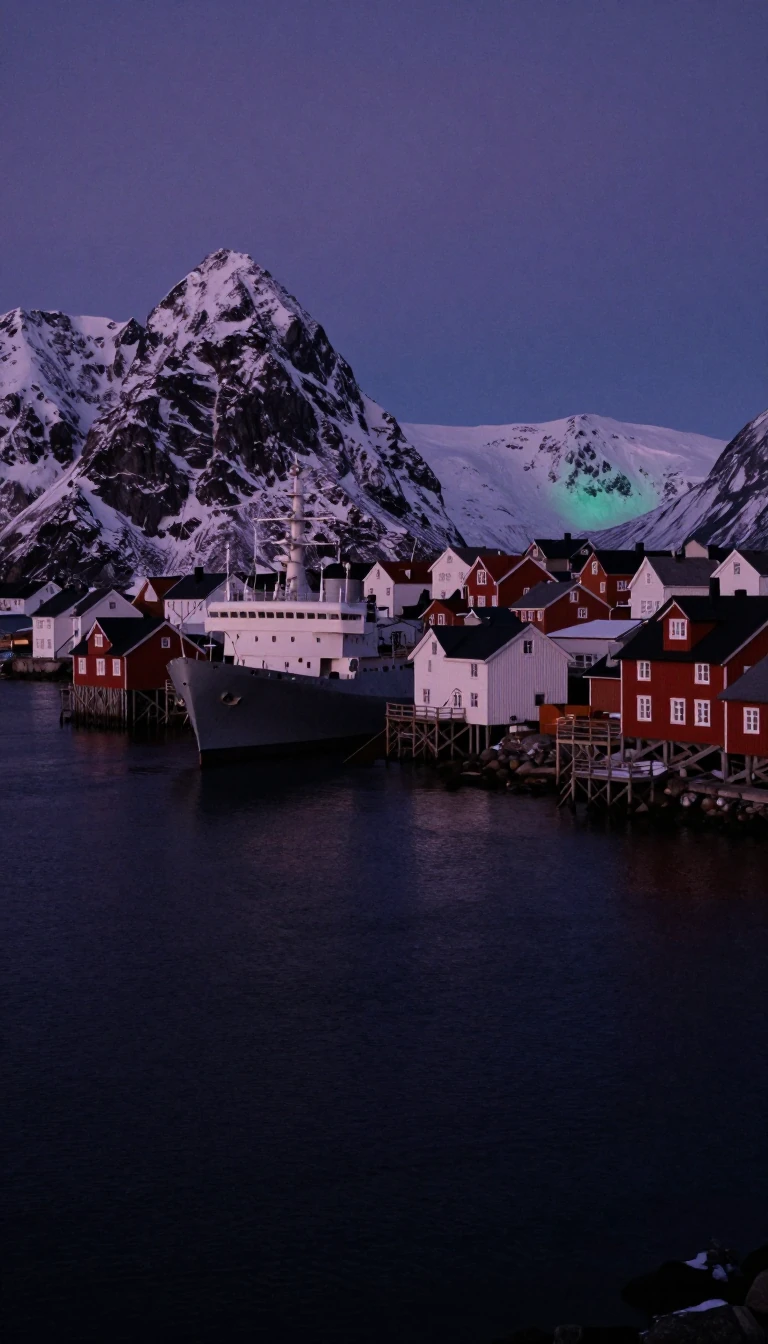 St. Lawrence Island: The Bering Sea outpost where history and survival collideLocated closer to Russia than the Alaskan mainland, St. Lawrence Island is a rugged, treeless expanse in the Bering Sea. Once a land bridge connecting continents, it has served as…
 The bird named for a German naturalist that defines the American West's forests.Steller's jay is the only crested jay found west of the Rocky Mountains. Named after Georg Wilhelm Steller, who first recorded the species in 1741, this bird is a master of mimicr…
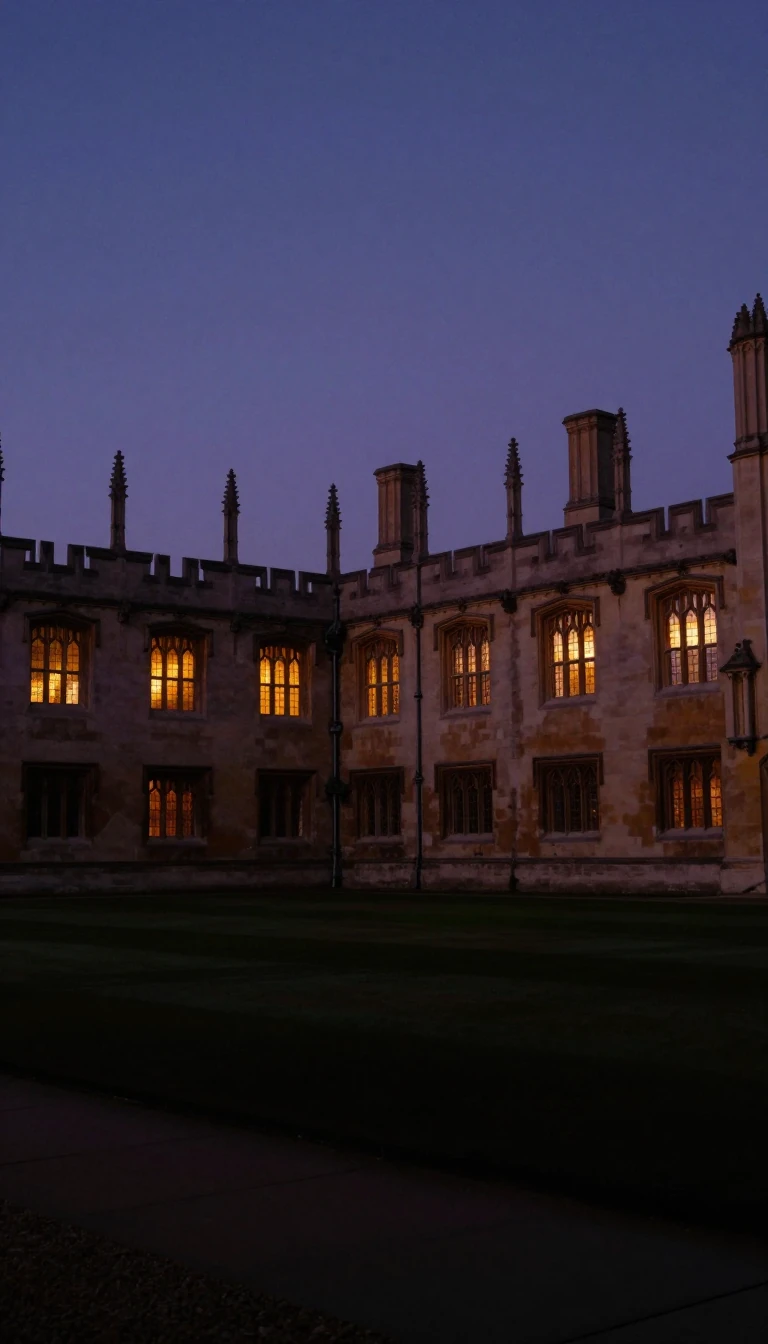 How a collection of 19th-century local schools evolved into a global research powerhouseThe University of Exeter began as scattered vocational colleges in Devon and Cornwall, training schoolmasters and mining engineers. Today, it stands as a Russell Group research in…
 How a self-taught village musician became the world's most prolific and versatile film composerBorn into poverty in rural India, Ilaiyaraaja rose to become a global musical force. With over 8,600 songs and 1,500 film scores, he pioneered the fusion of Western classical harm…
 How a browser that once dominated the web became a ghost in the machine.Internet Explorer defined the early web, peaking at 95% market share by 2003. Though officially retired in 2022, its legacy persists through the Trident engine, which still powers…
 How a Siberian city accidentally invented a mythical beast to fix a translation error.Irkutsk, once known as the Paris of Siberia, holds a strange heraldic secret. Its official coat of arms features a tiger with a sable in its mouth, but a nineteenth-century lingui…
 How Jean-Michel Jarre turned the world into his personal electronic concert stageJean-Michel Jarre redefined live music by transforming city skylines into massive, laser-lit canvases. From breaking world records for audience size to performing in post-Mao Chin…
- How Ruth Bader Ginsburg used strategic litigation to dismantle gender discrimination in American lawBefore she became a Supreme Court icon, Ruth Bader Ginsburg was a methodical architect of legal change. By carefully selecting cases and plaintiffs, she systematically dismantled …
 Were California's historic Spanish missions actually sites of systematic forced labor and cultural erasure?Between 1769 and 1833, Franciscan missionaries established 21 outposts across California to expand the Spanish Empire. While often romanticized today, these missions functioned as…
- How ancient Austronesian sailors built the first global network for the world's most valuable spices.Long before European explorers arrived, Austronesian sailors established the first maritime spice routes. By 1500 BC, these navigators linked Southeast Asia to India and Sri Lanka…
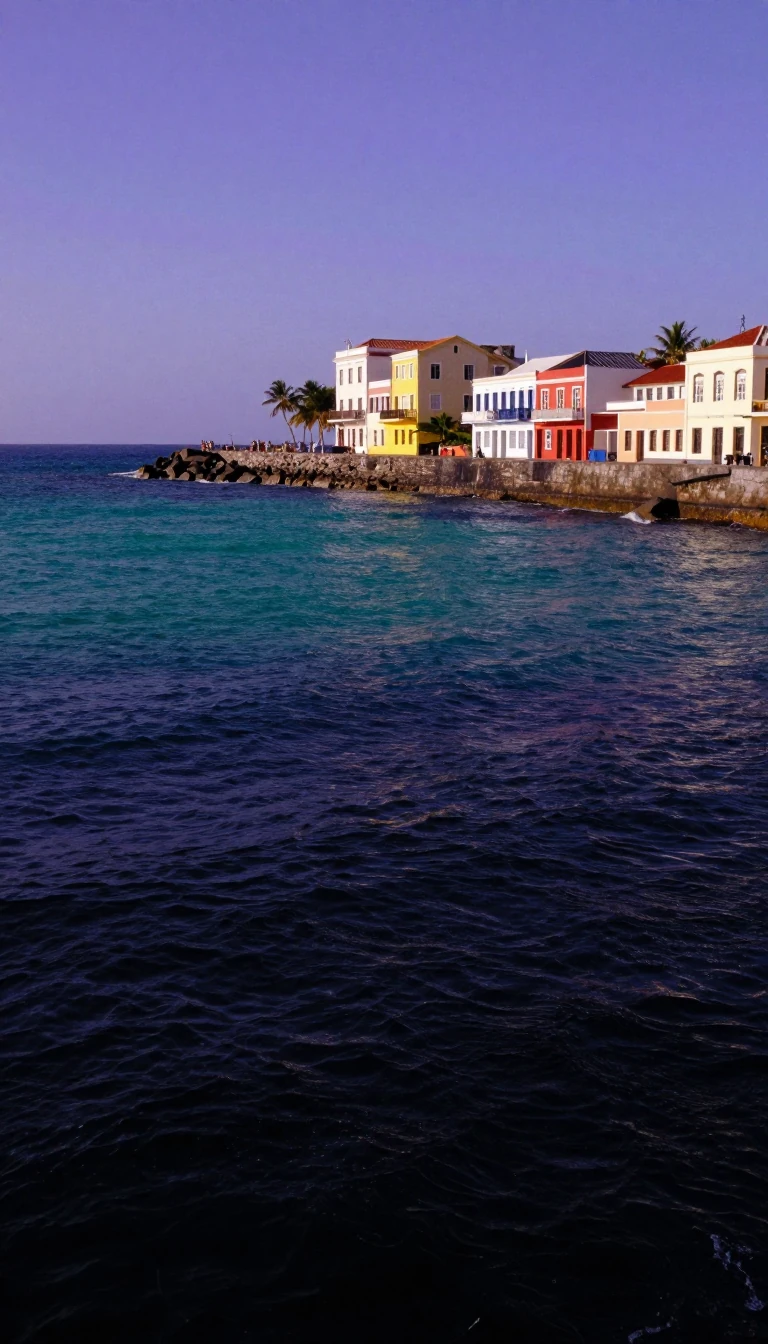 This Portuguese city once hosted the treaty that effectively divided the entire world.Setúbal is more than a coastal hub. Beyond its history as a major fishing center and salt exporter, this city served as the stage for a monumental geopolitical pact. In a 15th-cen…
 How a Danish Prince became the symbol of Norwegian resistance against Nazi GermanyBorn Prince Carl of Denmark, Haakon VII was elected King of Norway in 1905. Though he initially sought a ceremonial role, his refusal to legitimize a Nazi-backed puppet government…
 Was Hamilcar Barca the architect of Rome's near-collapse in the Second Punic War?Hamilcar Barca, the Carthaginian general known as the Thunderbolt, commanded forces in Sicily for six years during the First Punic War. His tactical brilliance and ability to main…
 How a merger of fire and water created a global publishing titanHarperCollins is one of the world's Big Five publishers, but its identity is a fusion of two distinct histories. Born from the 1989 merger of American firm Harper & Row and Scotti…
 Before the Great Depression, Herbert Hoover was celebrated as the world's greatest humanitarian administrator.Long before his presidency became synonymous with economic collapse, Herbert Hoover was a global hero. As a mining engineer turned relief organizer, he fed millions of starving ci…
 The Hindenburg disaster was not an explosion, but a rapid, ninety-second hydrogen fire.On May 6, 1937, the Hindenburg airship caught fire while landing in New Jersey. While often remembered as a sudden explosion, the hydrogen actually burned out in about ninety seco…
 The Royal Navy ship that mapped the Antarctic and vanished in the Arctic ice.HMS Erebus began as a bomb vessel in 1826, only to become a legendary explorer. After charting the Antarctic and naming a volcano, she disappeared during a doomed 1845 mission to …
 A warship built to bombard American forts became a ghostly icon of Arctic exploration.Launched in 1813 as a Royal Navy bomb vessel, HMS Terror survived the War of 1812 and Antarctic expeditions before vanishing in the Arctic. Its 2016 discovery in Terror Bay, far f…
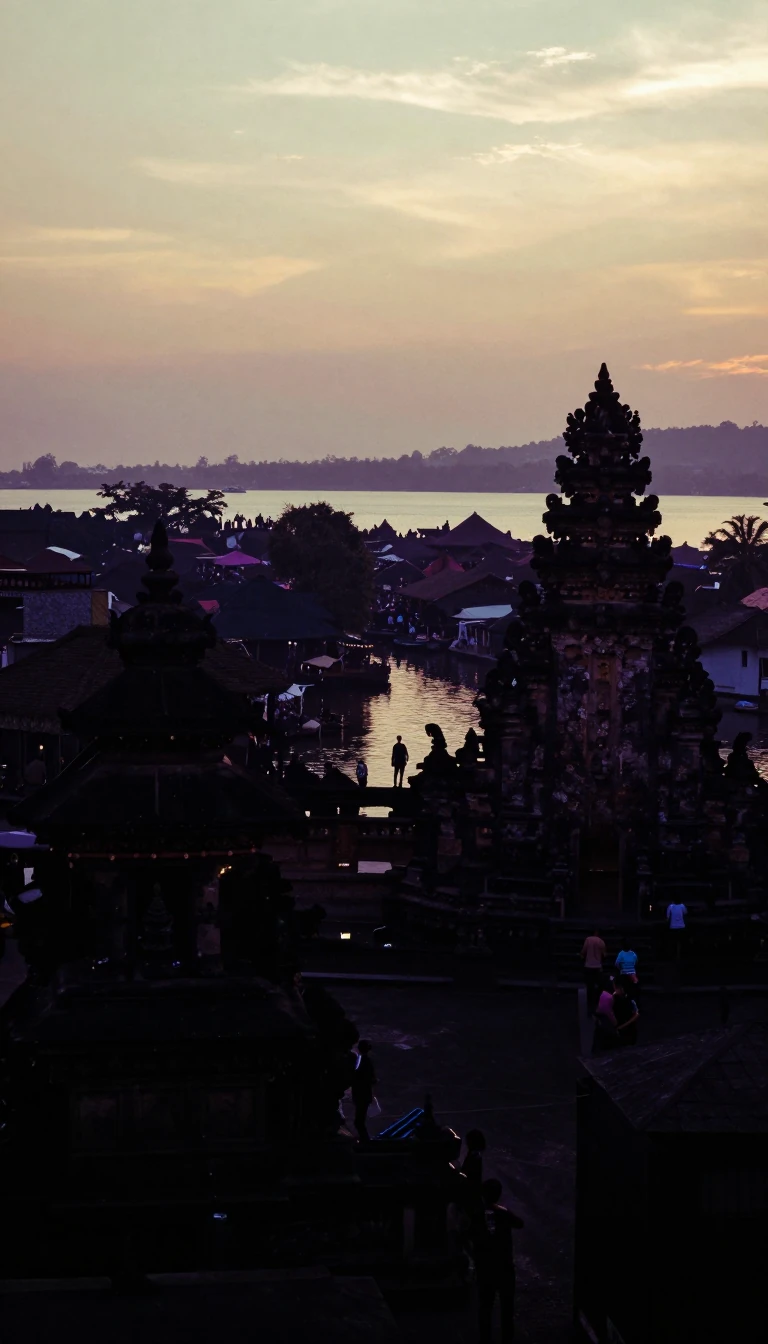 The fall of Tenochtitlan was not just a military defeat but a political collapse.When Hernán Cortés arrived in the Aztec capital, he sought to rule through the local leader, Moctezuma II. This strategy backfired spectacularly. A brutal massacre by a subordinat…
 The Conquistador Who Bankrupted Himself Chasing a Mythical City of GoldFrancisco Vázquez de Coronado led a massive expedition across the American Southwest in search of the legendary Seven Cities of Gold. He found only humble pueblos, vast buffalo he…
 A Han envoy’s captivity opened the Silk Road westZhang Qian (died c.114 BC), a Western Han diplomat serving Emperor Wu, was among the first official Chinese envoys to bring back reports on Central Asia, including the last Greco-…
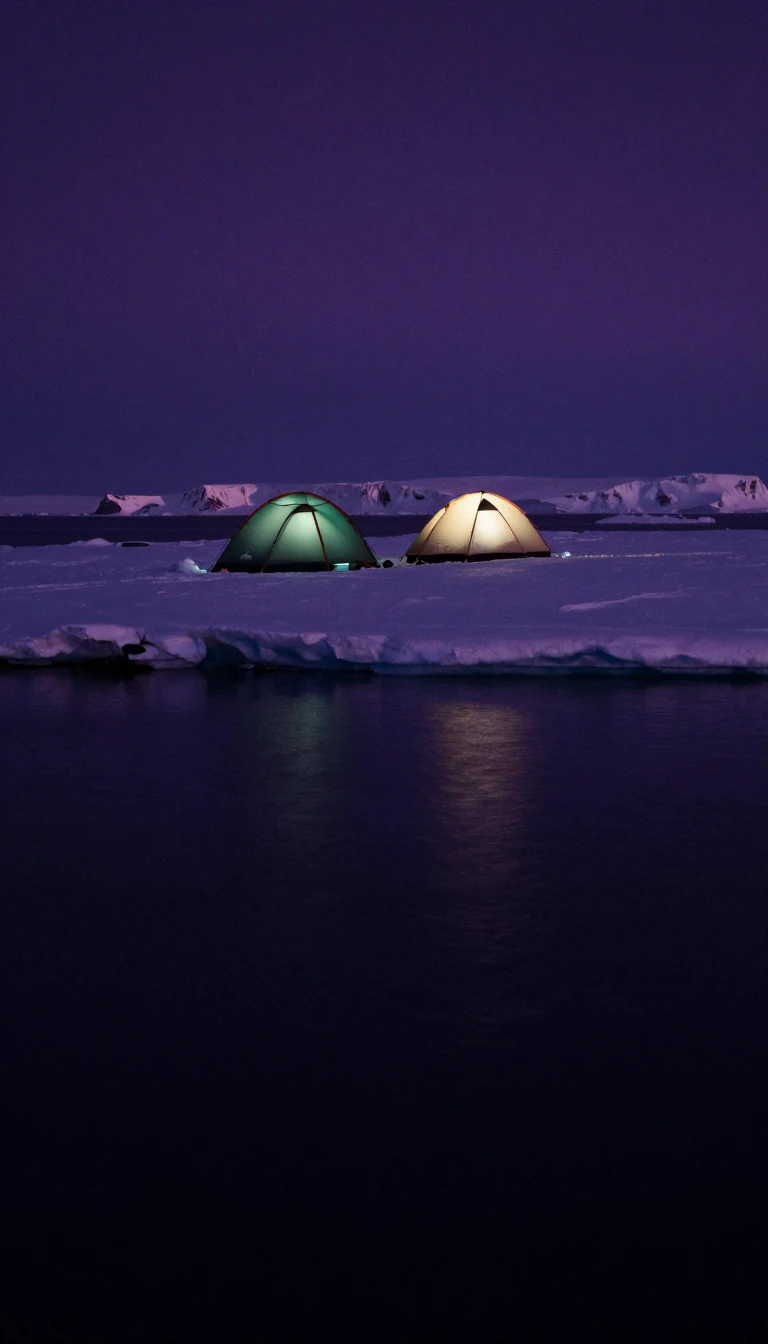 Endurance sank in the ice, and his lifeboat voyage became legendAnglo-Irish explorer Ernest Shackleton (1874–1922) led three British Antarctic expeditions in the Heroic Age. After Amundsen took the Pole in 1911, he set out to cross the contine…
 He named the Pacific—then died before the circle closedPortuguese navigator Ferdinand Magellan (c.1480–27 April 1521) planned Spain’s 1519–22 East Indies voyage, found the strait that bears his name, and led the first European crossin…
- Ski, Fram, and a passport for the statelessFridtjof Nansen (10 October 1861–13 May 1930) led the first crossing of Greenland’s interior on skis in 1888, then took Fram to a record 86°14′N in 1893–96. Later a diplomat and t…
- A Carthaginian periplus still argues how far Africa wentHanno the Navigator, a fifth-century BC Carthaginian—sometimes called king, sometimes commander—sailed West Africa’s coast and left a periplus that survives only in a Greek abridg…
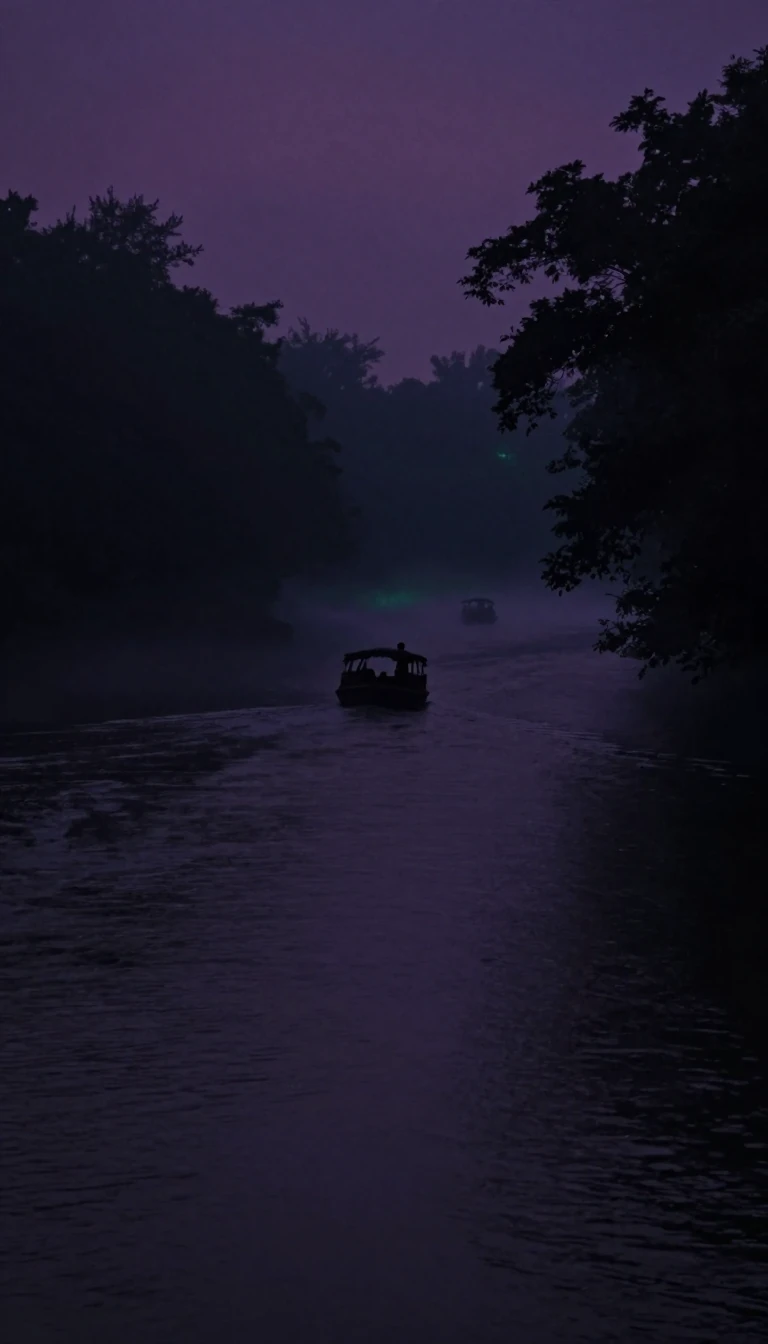 An Inca veteran marched the first deep U.S. interior entradaHernando de Soto (c.1497–21 May 1542), Extremaduran hidalgo and Inca campaign veteran under Pizarro, led the first European expedition deep through today’s southeastern United Sta…
- One Maghrebi’s Rihla out-mileaged Polo and Zheng HeIbn Battuta of Tangier (24 February 1304–1368/69) spent roughly 1325 to 1354 roaming Africa, Asia, and Iberia. Near life’s end he dictated The Rihla—about 117,000 kilometres of tr…
- He mapped a gulf—and borrowed “Canada” from two townsJacques Cartier of Brittany (31 December 1491–1 September 1557) was the first European to describe and chart the Gulf of Saint Lawrence and the river’s shores. He named the countr…
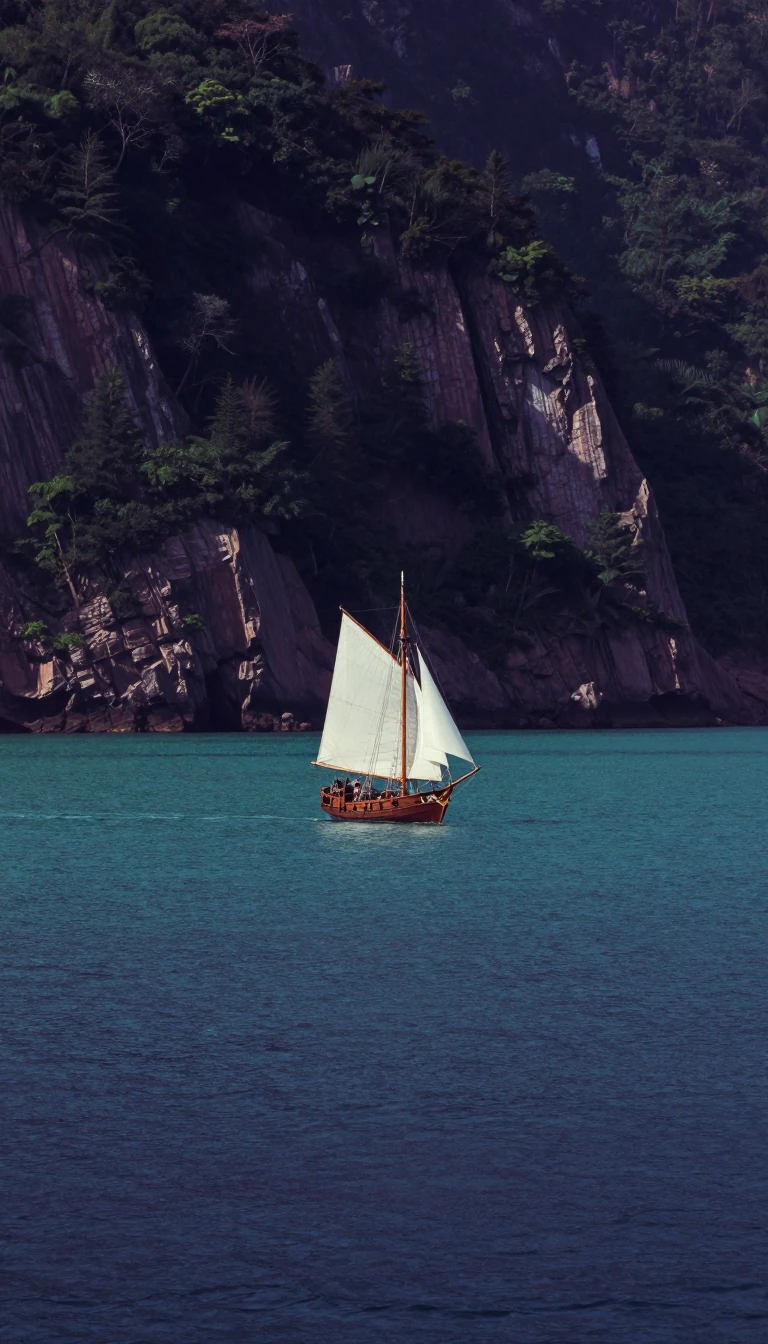 Three Pacific voyages redrew coasts—and ended in HawaiiCaptain James Cook, born in November 1728 and killed in February 1779, led three Royal Navy Pacific and Southern Ocean expeditions between 1768 and 1779. His firsts include the ea…
 He named Florida—without chasing any Fountain of YouthJuan Ponce de León, born about 1474 and dead by July 1521, headed Spain’s earliest ventures to Puerto Rico (1508) and Florida (1513). Popular myth says he sought a Fountain of You…
 Sagas say he beat Columbus to continental America by centuriesLeif Erikson, or Leif the Lucky (c.970s–c.1018–1025), is thought to be the first European to walk on the American mainland—about five hundred years before Columbus. Icelandic saga…
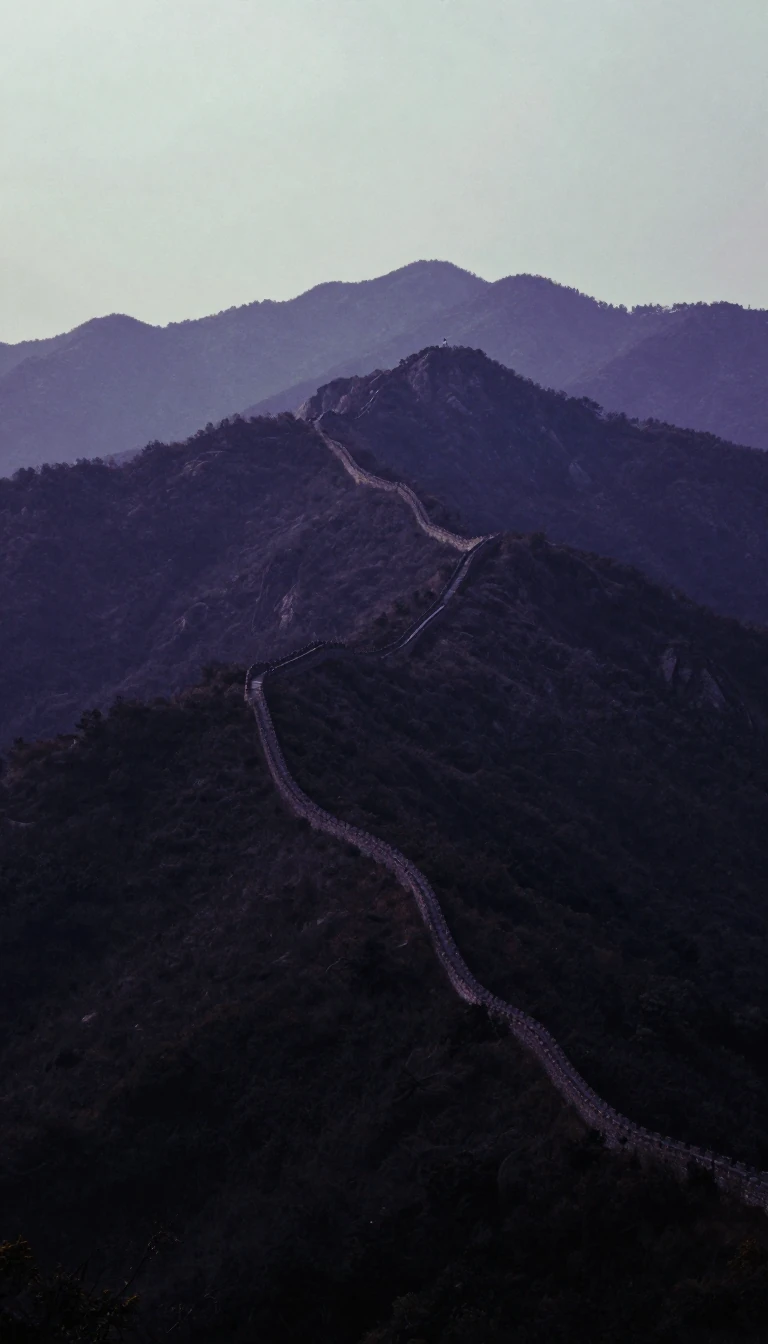 A Venetian prisoner’s dictation mapped Mongol Asia for EuropeMarco Polo (c.1254–8 January 1324) travelled the Silk Road from 1271 to 1295 and, as a Genoese prisoner, dictated The Travels of Marco Polo around 1300. Not the first European in …
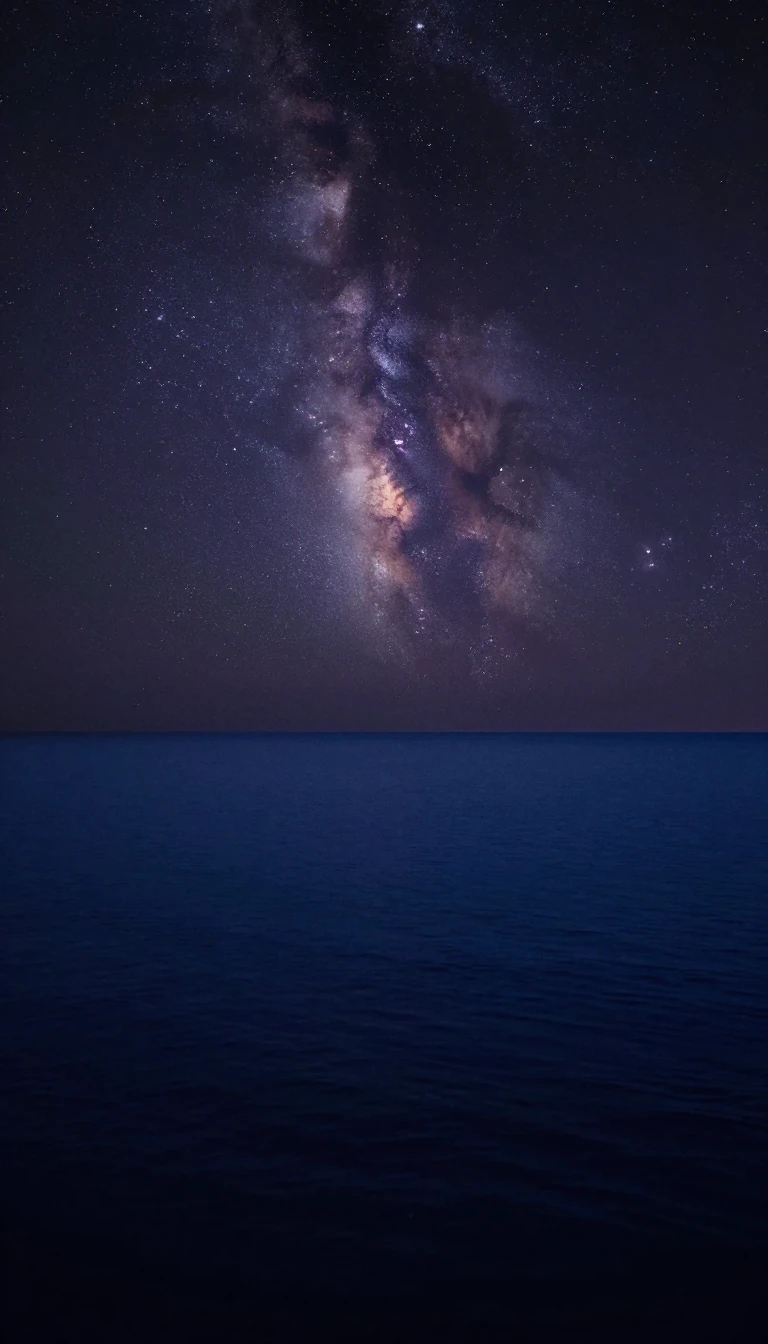 Apollo 11’s commander took humanity’s first lunar stepsNeil Armstrong (5 August 1930–25 August 2012), Apollo 11 commander, was the first human to walk on the Moon, in July 1969. A naval aviator, test pilot and later professor, he had …
- Thirteen ships west—and Portugal claimed a continentPedro Álvares Cabral (c.1467/68–c.1520), Portuguese noble and navigator, is regarded as Brazil’s European discoverer. In April 1500 his thirteen-ship fleet landed on what he first…
- Northwest Passage, South Pole, then a fatal Arctic rescueNorwegian polar explorer Roald Amundsen (16 July 1872–c.18 June 1928) traversed the Northwest Passage on Gjøa (1903–06) and planted the first flag at the South Pole on 14 December…
- Second to the Pole—first in a century of argumentBritish naval captain Robert Falcon Scott, born in June 1868 and dead by about the end of March 1912, led Discovery (1901–04) and Terra Nova (1910–13) into Antarctica. His five-ma…
 Sherpa Tenzing shared Everest’s first confirmed summitTenzing Norgay, who began life as Namgyal Wangdi in May 1914 and died in 1986, stood on Mount Everest’s summit with Edmund Hillary on 29 May 1953. He had been to the mountain six …
 A textile worker flew the only solo woman space missionValentina Tereshkova, born 6 March 1937, became the first woman in space aboard Vostok 6 on 16 June 1963. Twenty-six at launch, she circled Earth forty-eight times in nearly three…
 Rounding Africa, he opened Europe’s ocean road to IndiaVasco da Gama (c.1460s–24 December 1524) found the first continuous sea route from Europe to India—around the Cape of Good Hope and across the Indian Ocean from Malindi to Kozhiko…
 A Danish captain mapped Asia’s end for Peter’s navyDanish-born Russian Navy officer Vitus Bering, baptised in August 1681 and dead by December 1741, led two Russian ventures, the First Kamchatka and the later Great Northern expedi…
- Three Arctic tries left his name on a frozen seaWillem Barentsz (c.1550–20 June 1597), Dutch navigator and cartographer, hunted a Northeast Passage three times. Ice blocked Novaya Zemlya and the Kara Sea twice; on the third voy…
 A banned Tang monk walked to Nalanda for better sutrasXuanzang (602–664), born Chen Hui, was a Tang Buddhist monk who defied a ban on foreign travel to reach India, returning in 645. He studied at Nalanda under Śīlabhadra, hauled San…
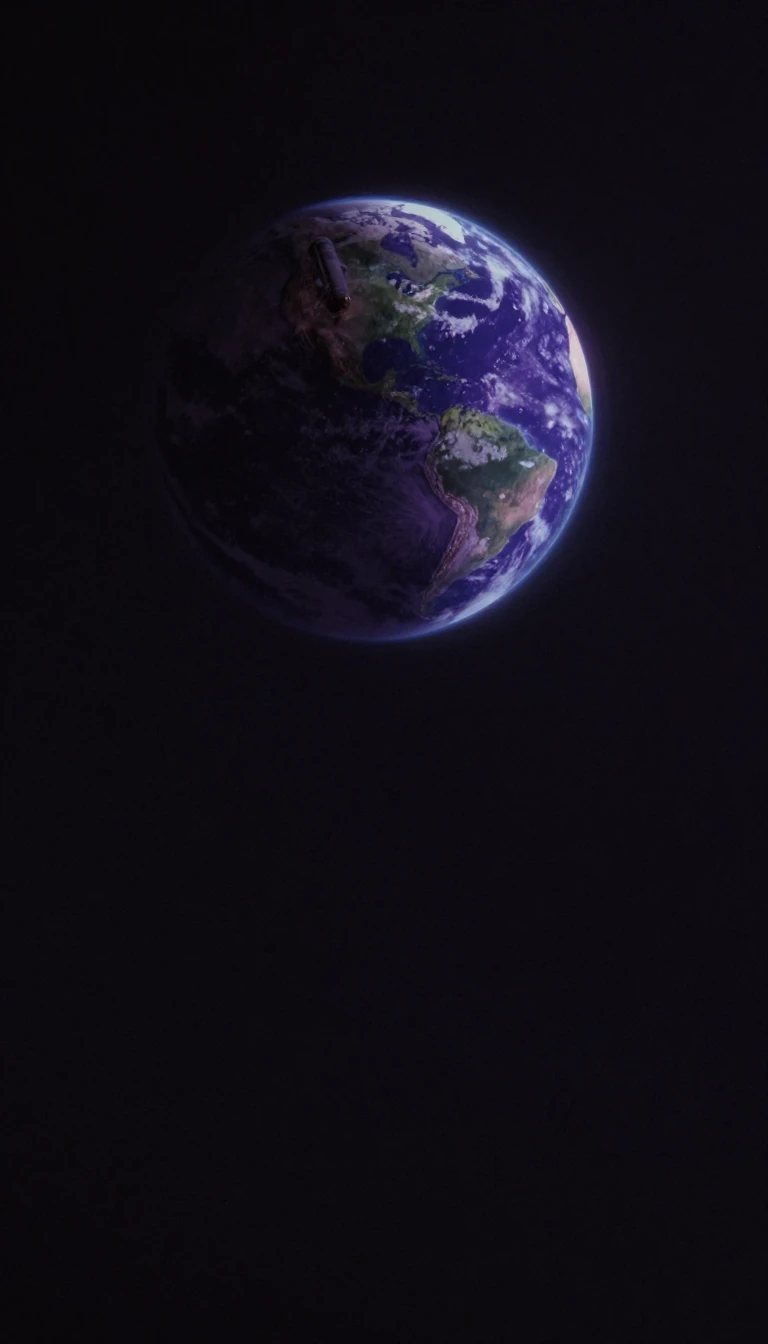 One hundred eight minutes made him the first human in orbitYuri Gagarin (9 March 1934–27 March 1968), Soviet pilot-cosmonaut, became the first person in outer space on 12 April 1961. Launched from Baikonur on Vostok 1, he completed one Ea…
- A VOC captain named two lands he barely enteredAbel Tasman, sailing for the Dutch East India Company in 1642 and 1644, became the first European known to reach New Zealand—he called it Staten Landt—and left his name on Tasmani…
 She crossed the Atlantic alone—then vanished mid-world attemptAmelia Earhart, born 24 July 1897 in Atchison, Kansas, rode as the first woman passenger across the Atlantic in 1928 and, in 1932, flew the ocean solo nonstop—winning the Distingu…
 A Florentine’s New World letters put America on the mapAmerigo Vespucci, a Florentine navigator who lived from 1454 to 1512, sailed for Spain and then Portugal around the turn of the sixteenth century. Letters under his name popularis…
 Thirty-three solo hours made him Time’s first Man of the YearOn 20–21 May 1927 Charles Lindbergh flew the Spirit of St. Louis alone more than 3,600 miles from New York to Paris in over thirty-three hours, claiming the $25,000 Orteig Prize. …
- Four Spanish voyages opened a Columbian exchange of worldsChristopher Columbus of Genoa, born in the autumn of 1451 and dead by 20 May 1506, completed four Atlantic crossings for Spain’s Catholic Monarchs. His landfall on 12 October 1492…
 He chased the Nile to silence the East African slave tradeScottish physician and Congregationalist David Livingstone (1813–1873), a mill boy turned London Missionary Society pioneer, became a Victorian icon through his African journeys. …
 Everest’s first confirmed summit—then both poles as wellOn 29 May 1953 New Zealander Edmund Hillary and Tenzing Norgay were the first climbers known for certain to stand atop Mount Everest, on John Hunt’s ninth British expedition. Hill…