 Intellect Plus
Explorers
477 cards. Each one is a 40-second story with a five-minute read behind it. Page 7 of 8.
 The Russian explorer who mapped the Arctic coast but never set foot on his namesake island.Ferdinand von Wrangel was a pivotal figure in Russian maritime exploration, mapping the Siberian coastline in the early 1820s. Though a remote Arctic island bears his name today, …
 Was Fernão Mendes Pinto the greatest explorer of his age or a brilliant liar?For twenty years, Fernão Mendes Pinto traversed the Orient as a soldier, pirate, slave, and diplomat. His memoir, Travels, remains a cornerstone of European imagination regarding …
 How a failed search for cinnamon led to the first navigation of the AmazonFrancisco de Orellana’s 1541 expedition began as a quest for the Land of Cinnamon but transformed into an improbable journey down the entire Amazon River. While his first voyage b…
 Frank Borman led the first crewed mission to orbit the Moon in 1968.Before he became a corporate executive, Frank Borman was a pioneer of human spaceflight. From setting endurance records in the Gemini program to commanding the historic Apollo 8 m…
 Fred Haise was set to walk on the Moon until a mid-flight explosion intervened.As the lunar module pilot for Apollo 13, Fred Haise was poised to become the sixth human to walk on the lunar surface. Instead, a catastrophic oxygen tank rupture transformed his …
 Fred Noonan was the master navigator who mapped the Pacific for commercial aviationBefore he vanished alongside Amelia Earhart, Fred Noonan was a seasoned merchant mariner and aviation pioneer. He charted the first commercial Pacific airline routes and developed…
- Was Frederick Cook a pioneering hero or history's most audacious Arctic fraud?Frederick Cook was a celebrated physician and explorer who claimed the first summit of Denali and the North Pole. While his medical skills saved the crew of the Belgica, his polar…
 Was a Portuguese explorer a genuine pioneer or a tool of 20th-century state propaganda?Gaspar Corte-Real is often remembered as an early explorer of North America, but his modern legacy is largely a construction of Salazar-era Portuguese diplomacy. While he did lead…
 Before he was the last man on the Moon, Gene Cernan nearly died in space.Long before his historic final steps on the lunar surface, Gene Cernan faced a terrifying, near-fatal spacewalk during the 1966 Gemini IX-A mission. His suit turned rigid in the v…
 Did George Mallory and Sandy Irvine reach the summit of Mount Everest in 1924?In 1924, George Mallory and Sandy Irvine vanished near the summit of Mount Everest. For a century, their fate remained one of mountaineering's greatest mysteries. While Mallory's …
 The Oxford Historian Who Helped Draw the Borders of the Modern Middle EastGertrude Bell was an unlikely architect of the 20th-century Middle East. An Oxford-educated historian and seasoned traveler, she navigated the collapse of the Ottoman Empire to be…
 Gherman Titov was the first human to sleep, vomit, and orbit Earth multiple times.While Yuri Gagarin became the first human in space, Gherman Titov proved we could actually live there. During his 1961 Vostok 2 mission, the 25-year-old cosmonaut spent over 25 ho…
 The Florentine navigator who mapped the American coast but lost his legacy to historyGiovanni da Verrazzano was the first European to chart the Atlantic coast from Florida to New Brunswick, yet his name remains largely overshadowed. While he claimed vast territori…
 Gordon Cooper: The Mercury Astronaut Who Piloted His Way Through Mechanical FailureKnown as Gordo to his fellow Original Seven astronauts, Gordon Cooper was a space pioneer defined by his raw courage and technical mastery. From setting endurance records to manua…
 Hanna Reitsch: The record-breaking aviator who became a central figure in Nazi aviation history.Hanna Reitsch was the preeminent female pilot of the 20th century, setting over 40 flight records. Yet, her legacy is inextricably linked to the Third Reich. From testing cutting-…
 The only professional scientist to walk on the Moon is also a climate skeptic.Harrison Schmitt, the last living person to walk on the lunar surface, remains a singular figure in space history. As a geologist, he transformed how astronauts studied the Moon, …
- The only Pizarro brother to survive the conquest of Peru lived a complex life.Hernando Pizarro was the sole brother among his famous kin to escape death in the New World. Educated and influential in the Spanish court, he navigated the brutal internal power …
 Did a Carthaginian explorer invent sea monsters to protect a secret trade route?In the 5th century BC, Himilco sailed north from Spain into the Atlantic. His report described a terrifying, windless sea choked with seaweed and prowling monsters. While historia…
 Was the legendary survival of Hugh Glass merely a nineteenth-century tall tale?Hugh Glass is a frontier icon, famous for surviving a brutal grizzly bear attack and crawling hundreds of miles to safety. Yet, historians debate how much of his story is fact and…
 How a sickly Victorian woman became the world's most intrepid globetrotting explorerPlagued by chronic illness and spinal pain, Isabella Bird was told by doctors to seek an outdoor life. She responded by riding across the Rocky Mountains, navigating the Yangtze R…
- A Swiss aristocrat who lived as an Arab man and defied colonial normsIsabelle Eberhardt abandoned her European life to roam the Sahara as a man, a Muslim, and a writer. Though she was an outcast to French settlers and a target for assassins, she be…
- The astronaut who joined a moon mission three days before it launchedJack Swigert was a backup astronaut until a last-minute measles exposure forced a crew change for Apollo 13. Thrust into the command module just 72 hours before liftoff, he became…
 How a Jesuit missionary became the first to map the Mississippi River's courseJacques Marquette was a French Jesuit missionary whose linguistic skills and missionary zeal led him to the heart of North America. Alongside explorer Louis Jolliet, he documented…
- James Clark Ross: The British Explorer Who Mapped Both Ends of the EarthSir James Clark Ross was a singular figure in polar history. He located the North Magnetic Pole in 1831 and later led a pioneering Antarctic expedition that charted vast stretches…
 How a revolutionary volunteer force became a global military superpowerBorn from the chaos of the 1917 Russian Civil War, the Red Army began as a voluntary formation without ranks. Yet, through massive conscription and strategic integration of former…
 The royal relative who traded social media fame for the Royal MarinesArthur Chatto has lived a life of striking contrasts. From being a social media sensation dubbed the next Prince Harry to setting a Guinness World Record by rowing around Great Br…
 How a medieval feudal assembly evolved into the modern Dutch parliamentary democracyThe States General began in the 15th century as a gathering of provincial representatives under Burgundian rule. Over centuries, it transformed from a collection of feudal estates…
 How a fruit merchant's son became the pioneer of method acting in BollywoodBorn Muhammad Yusuf Khan, the legendary actor Dilip Kumar transformed Indian cinema with a naturalistic style that defied the theatrical norms of his era. From his humble beginnin…
 The original Peter Pan was not a charming hero but a murderous, anarchical villain.While modern culture remembers Peter Pan as an impish adventurer, J.M. Barrie’s original vision was far darker. The boy who refused to grow up was designed to be a sinister figure…
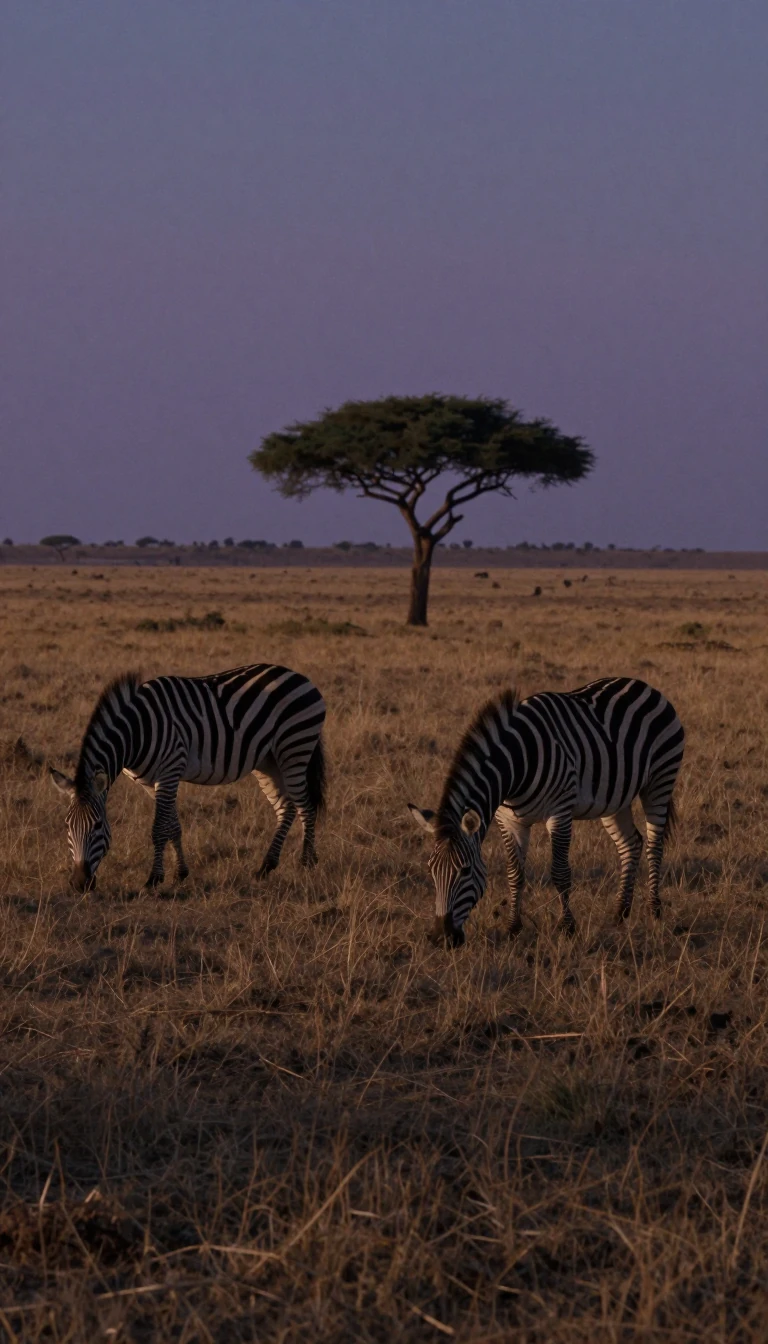 The Eastern Cape: A Diverse South African Province Shaped by Mountains and HistorySpanning from the rugged Drakensberg peaks to the subtropical Indian Ocean coastline, the Eastern Cape is a land of dramatic contrasts. Once part of the Cape of Good Hope, this pr…
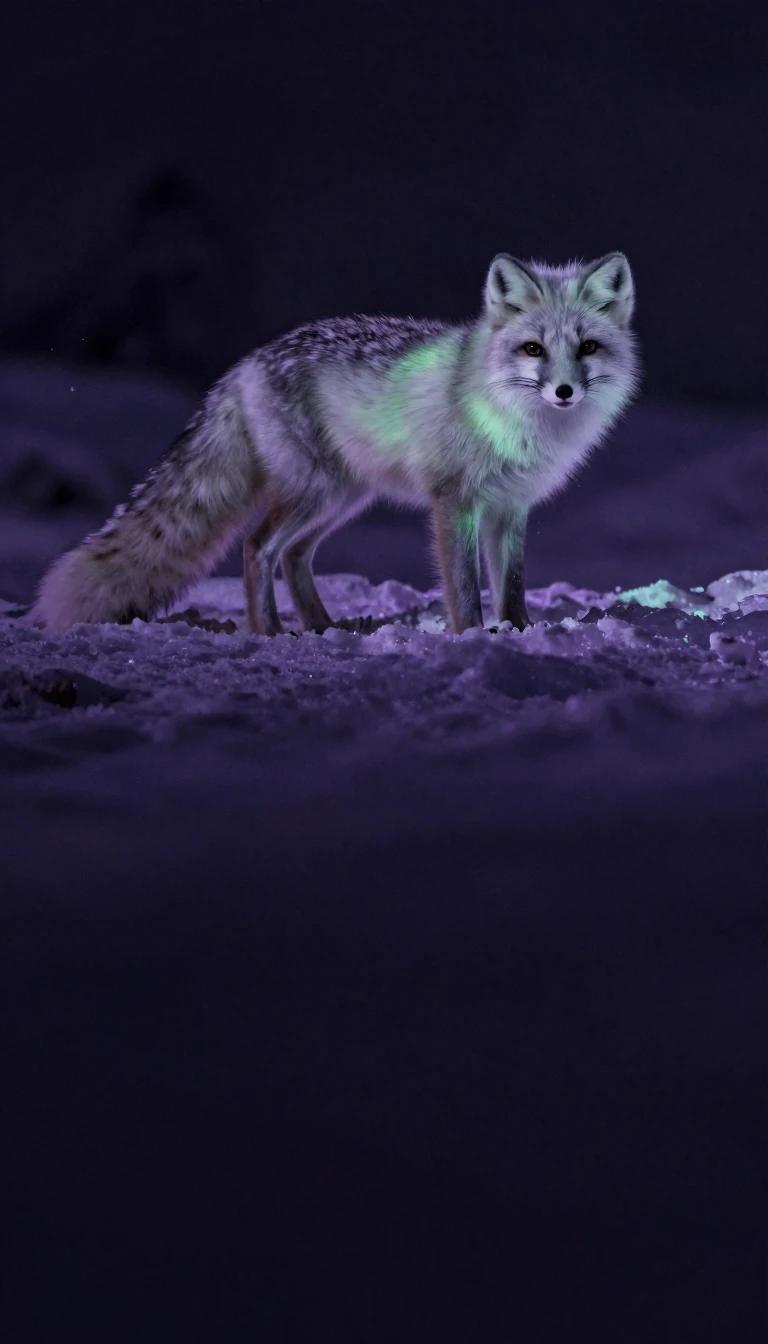 How the Arctic fox survives temperatures that would freeze most other mammals solidIn the frozen reaches of the Arctic, where winter temperatures rarely climb above zero, the Arctic fox thrives. This resilient canine employs a suite of ingenious biological strat…
 Brian Dennehy: The Actor Who Found His Craft Outside of Traditional Acting SchoolsBrian Dennehy became a titan of stage and screen without ever attending drama school. Instead, he honed his craft by working blue-collar jobs and spending his afternoons watching …
 Is the Holy Spirit a person, a force, or a divine breath of life?In Christian theology, the Holy Spirit is the third member of the Trinity, yet its identity remains a complex subject of study. Often linked to Jewish concepts of divine breath, t…
- Why did 129 men vanish into the Arctic ice during a Victorian naval crusade?In 1845, Captain Sir John Franklin led two state-of-the-art ships into the Canadian Arctic to map the Northwest Passage. They never returned. For over a century, their fate remain…
 From East Boston to Windsor Castle: The Rise of Joseph P. Kennedy Sr.Joseph P. Kennedy Sr. transformed from a local bank president into a titan of American finance and diplomacy. While his business acumen built a massive fortune and secured his fam…
 How Newt Gingrich transformed American politics by weaponizing language and nationalizing local congressional racesNewt Gingrich reshaped the American political landscape by abandoning traditional consensus-building for a combative, hyper-partisan strategy. By nationalizing local elections and…
 Was Vinland a land of wine, or just a simple, grassy pasture?Leif Erikson reached North America around 1000 AD, centuries before Columbus. Yet, the name he gave this land—Vinland—remains a subject of intense debate. Did he find a bountiful …
 The 1932 kidnapping of Charles Lindbergh's son remains a haunting, debated American mystery.When the 20-month-old son of aviator Charles Lindbergh was abducted in 1932, the case became a global sensation. Despite the execution of Bruno Richard Hauptmann for the crime, qu…
- Did Richard E. Byrd actually reach the North Pole, or was it a fabrication?Richard E. Byrd was a decorated naval officer and a titan of polar exploration, yet his legacy remains shrouded in doubt. While he claimed to be the first to reach both poles by a…
 Why the Atlantic hurricane season is a moving target defined by human convenienceThe official Atlantic hurricane season, spanning June 1 to November 30, captures over 97 percent of tropical cyclone activity. Yet, this six-month window is a modern administrativ…
 Erik the Red was not the first European to discover or settle Greenland.While history remembers Erik the Red as the pioneer of Greenland, he was actually a master of marketing. He arrived long after others had failed to tame the harsh landscape. By re…
 Artemis III will test lunar landers in Earth orbit instead of landing on the MoonOriginally planned as the first crewed lunar landing since 1972, Artemis III has been repurposed as a complex risk-reduction mission. Instead of heading to the Moon, the crew will…
 How a reluctant Duchess became the indomitable Queen Mother of the British EmpireBorn into nobility, Elizabeth Bowes-Lyon initially rejected royal life, fearing the loss of her personal freedom. Yet, she became a central pillar of the British monarchy, serving…
 The Roman scholar who died documenting the world's wondersBefore the Middle Ages, one man’s massive encyclopedia served as the definitive authority on science. Pliny the Elder didn't just record the natural world; he attempted to capture…
 Golden Goa: How a tiny coastal enclave became the center of a global empireFor over four centuries, Goa served as the crown jewel of Portugal’s eastern empire. From its bustling bazaars filled with Chinese silk and African gold to its viceregal courts, t…
 How a Dutch Merchant Sailor Became Hollywood’s Most Unforgettable and Versatile Cinematic AntiheroRutger Hauer’s career spanned five decades, evolving from a Dutch television star to an iconic Hollywood villain. Known for his intense, often improvised performances, he left an …
 The mythical Christian king who never existed but drove centuries of global explorationFor hundreds of years, European Christians were obsessed with finding a legendary priest-king named Prester John. Believed to rule a vast, opulent empire in the East, he was expec…
 For centuries, mapmakers populated the oceans with islands that never actually existed.From the dawn of cartography until the modern era, phantom islands haunted our maps. Born from optical illusions, navigational guesswork, and outright fabrication, these ghost lan…
 How the Polish People's Republic navigated the iron grip of Soviet-style communismFollowing World War II, Poland was reshaped into a communist state under Soviet influence. Despite the regime's efforts to enforce total control through secret police and politica…
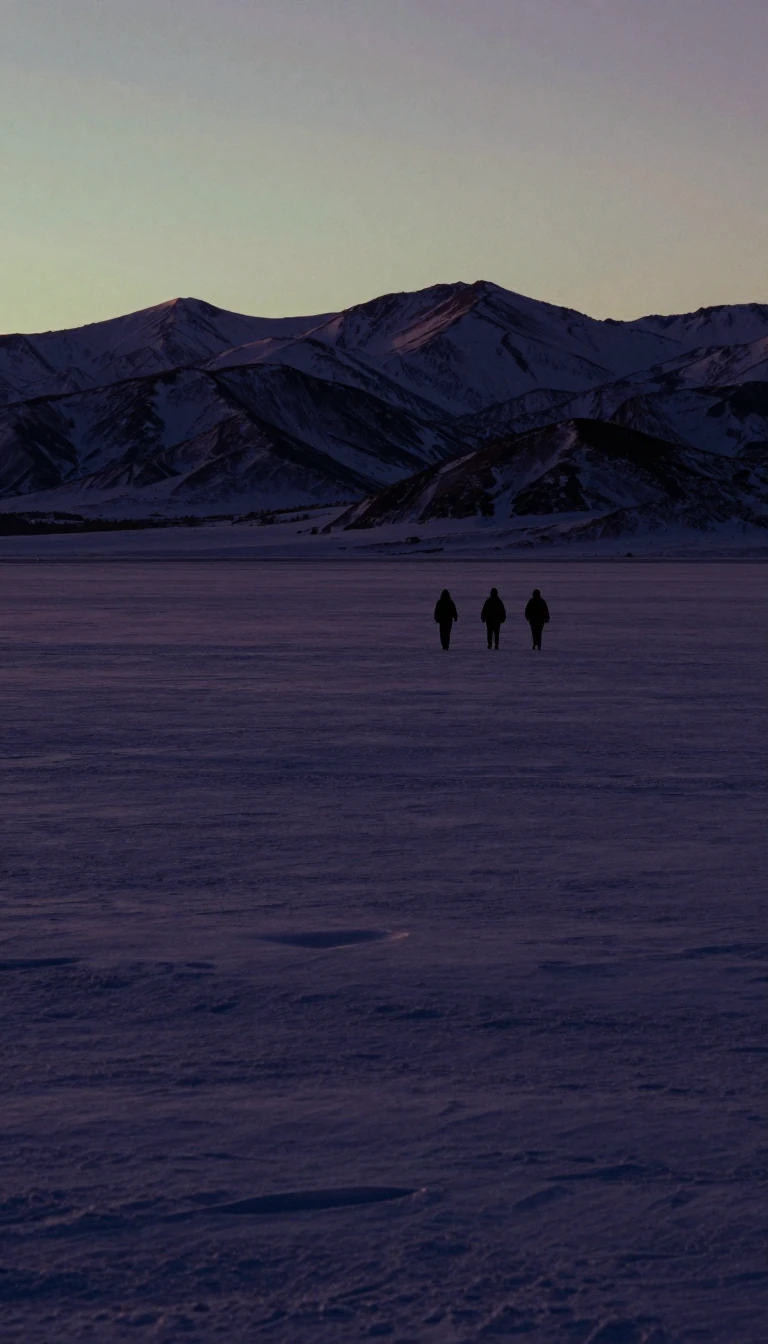 Did a warmer climate allow Vikings to settle North America centuries before Columbus?Norse explorers reached North America long before the 15th century, establishing a base in Newfoundland by 1021 AD. Their expansion across the North Atlantic was not merely a feat…
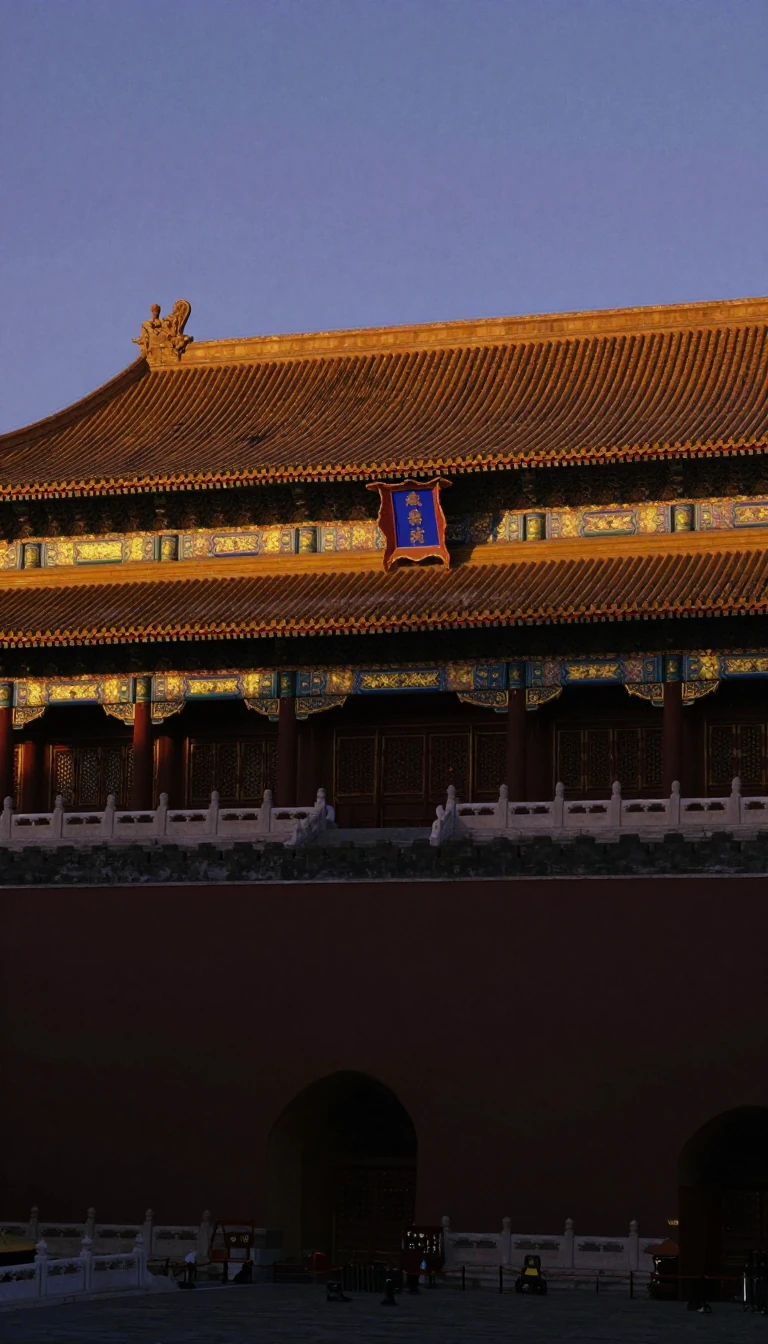 The Kamakura Period: How Japan Shifted from Imperial Refinement to Stoic Warrior RuleBetween 1185 and 1333, Japan underwent a seismic transformation. The imperial court in Kyoto lost its grip on power as a new, disciplined warrior class seized control. This era es…
 The Chinese junk: A marvel of ancient engineering that defied traditional naval design.Unlike Western ships evolved from dugout canoes, the junk emerged from tapering rafts, resulting in a flat-bottomed vessel without a keel. Featuring watertight bulkheads and a cen…
 The strongest wooden ship ever built was never designed to survive the Antarctic ice.Launched in 1912, the Endurance was a masterpiece of Norwegian shipbuilding, engineered with thick oak and greenheart to withstand polar conditions. Yet, unlike its famous predece…
- The tragic, ice-locked end of the most disastrous expedition in British polar history.In 1845, Sir John Franklin set sail with 128 men to find the Northwest Passage. They never returned. For over a century, their fate remained a mystery, marked by starvation, lead …
 How a lucrative tax on passing ships fueled the rise of the Twin KingdomsFor centuries, the union of Denmark and Norway dominated the Baltic Sea, leveraging control over the Oresund to collect massive tolls from passing vessels. This wealth empowered k…
- Dakhla: From a colonial Spanish outpost to a contested Saharan maritime hubOnce a remote Spanish whaling station, Dakhla has transformed into a strategic focal point of the Sahara. From its origins as a colonial fortress to its current status as a center…
- Did an Irish monk reach North America centuries before the Vikings arrived?Brendan the Navigator, a sixth-century Irish saint, is the hero of a legendary sea epic describing a voyage to a Promised Land. While historians debate the reality of his travels,…
 Who were the Criollos, the colonial elite who built and broke the Spanish Empire?In the Spanish Americas, the Criollos were locally born people of European descent who occupied a complex middle ground. Often wealthy and influential, they were barred from the h…
 The caravel was a small, fast ship that changed the course of global exploration.Developed from humble fishing boats, the caravel became the essential vessel of the Age of Discovery. Its unique ability to sail against the wind allowed explorers like Columbus a…
 The word bishop comes from the Greek episkopos, meaning overseer or supervisor.Long before Christianity, the term episkopos described a secular role of oversight. Today, the office of the bishop remains a central, if debated, pillar of church hierarchy. From…