St. Lawrence Island: The Bering Sea outpost where history and survival collide
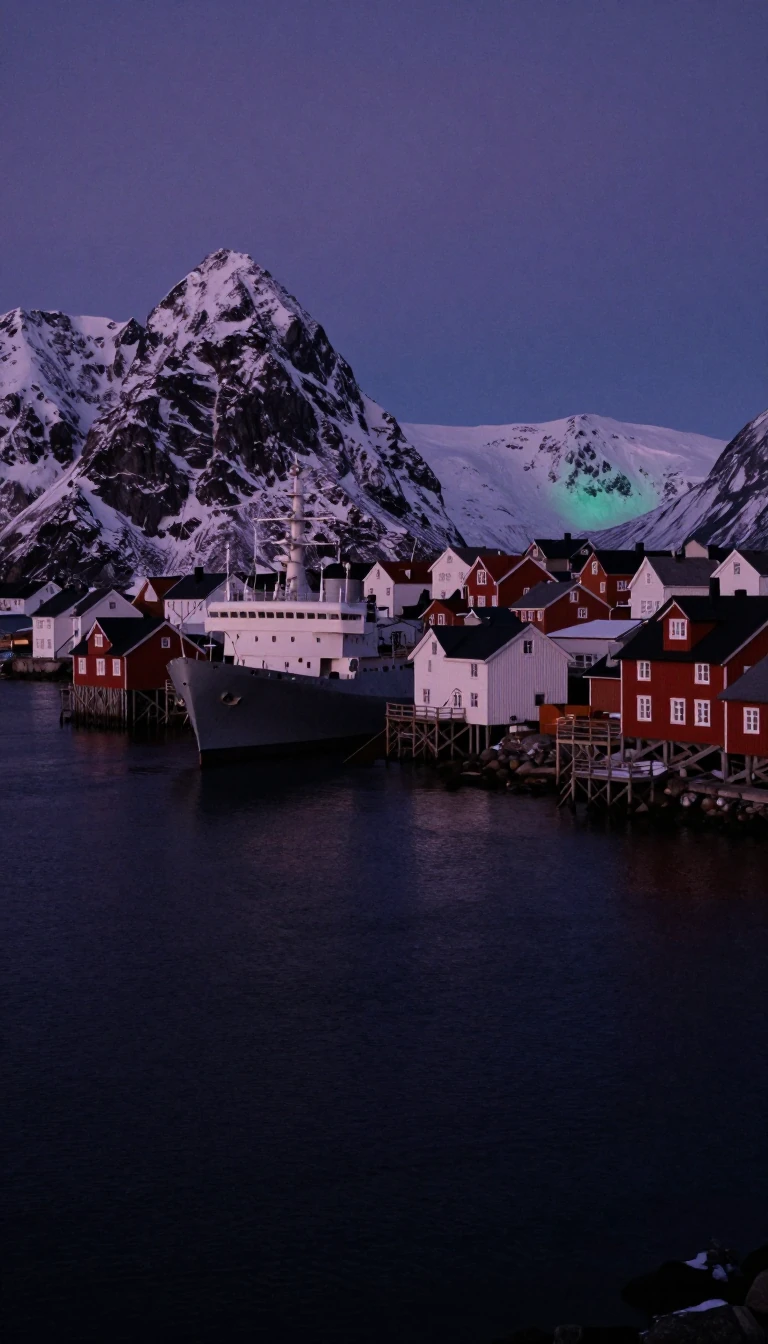
In short: Located closer to Russia than the Alaskan mainland, St. Lawrence Island is a rugged, treeless expanse in the Bering Sea. Once a land bridge connecting continents, it has served as a hunting base for millennia, a Cold War flashpoint, and a resilient home for the Siberian Yupik people.
St. Lawrence Island, known as Sivuqaq to its inhabitants, is a remnant of the Pleistocene land bridge that once linked Asia and North America. Archaeological evidence suggests human habitation dating back 2,500 years, with early settlers utilizing the Okvik style of craftsmanship. The island’s environment is shaped by the nutrient-rich Anadyr Current, which supports a vast array of marine life, though the island itself remains largely devoid of trees, featuring only low-growing Arctic willow.
The 19th century brought profound hardship. A population of approximately 4,000 in the mid-1800s was decimated by a famine between 1878 and 1880, which left hundreds dead. Following the Alaska Purchase in 1867, the island became U.S. territory. In the 20th century, the island’s strategic location made it a site of military activity, including the establishment of the Northeast Cape Air Force Station in 1952. A notable Cold War incident occurred in 1955 when a U.S. Navy plane was shot down by Soviet fighters near Gambell, leading to a rare instance of Soviet diplomatic regret and partial compensation.
Today, the island is jointly owned by the Siberian Yupik villages of Gambell and Savoonga. After the Alaska Native Claims Settlement Act of 1971, these communities chose to retain land ownership rather than join regional corporations. This process culminated in 2016 when the Bureau of Land Management transferred permanent private title to the island’s native corporations. Despite environmental challenges, including legacy pollution from military sites, the Yupik continue to maintain their traditional hunting and fishing practices, preserving a unique cultural heritage on this remote Bering Sea frontier.
Opens the Intellect+ feed with this card first. Swipe up for the next one.
Sources
- Summary by Intellect · source: St. Lawrence Island
To cite this card, link to https://intellectplus.co.uk/app/history-st-lawrence-island.
How we source, check and correct cards: Editorial standards.
General information, not professional advice. Spotted an error? Flag the card or see corrections and complaints.
Intellect Plus is a visual educational discovery platform for exploring fascinating facts and ideas. Brain Food, Not Brain Rot. What is Intellect Plus?
Related
More in Explorers · More in History · Latest · A–Z · All topics
