 Intellect Plus
Psychology
575 cards. Each one is a 40-second story with a five-minute read behind it. Page 7 of 10.
 Is pity a noble virtue or a dangerous weakness that negates human life?Pity is a complex, ancient emotion that has shifted from a unified concept of mercy to a bifurcated term often carrying notes of condescension. From Aristotle’s philosophical requ…
 Why do we vote the way we do? The hidden psychology of political power.Political psychology explores the complex, bidirectional relationship between our minds and the state. By blending anthropology, economics, and cognitive science, researchers stud…
 Your body posture is not just a reflection of your mood; it is a tool.Psychological research suggests your physical stance does more than signal your feelings to others. It actively shapes your internal state, influences your cognitive performance, …
 Why the way you praise someone can either motivate them or hold them backPraise is more than just a compliment; it is a powerful psychological tool that shapes behavior, motivation, and self-perception. Whether you focus on a person's inherent traits o…
 Is pride a virtue or a vice? The answer depends on your psychological profile.Pride is often dismissed as a deadly sin, yet it serves as a vital status-regulating emotion. Modern psychology distinguishes between authentic pride, which fuels confidence and p…
 Why did the father of psychoanalysis believe our dreams hold the keys to our psyche?Sigmund Freud transformed psychology by proposing that our behavior is driven by hidden, repressed desires. By moving away from neurology to explore the unconscious mind, he devel…
 Why psychological abuse is often harder to identify than physical violencePsychological abuse is a systematic pattern of behavior designed to diminish another person's self-worth and independence. Unlike physical violence, it lacks a universally accepte…
 How psychologists study the human mind without losing their way in the data.Psychological research is a sprawling, eclectic field that balances rigorous laboratory experiments against the messy reality of human behavior. From controlled trials to naturali…
 Does faith actually improve your mental health, or is it just a coping mechanism?The psychology of religion examines how belief systems shape our minds, from providing resilience to causing spiritual distress. While traditional religious practices are evolving…
- How do we measure the invisible bridge between the physical world and human experience?Psychophysics is the scientific study of how physical stimuli, like light or sound, transform into private sensations. By quantifying the relationship between the outside world an…
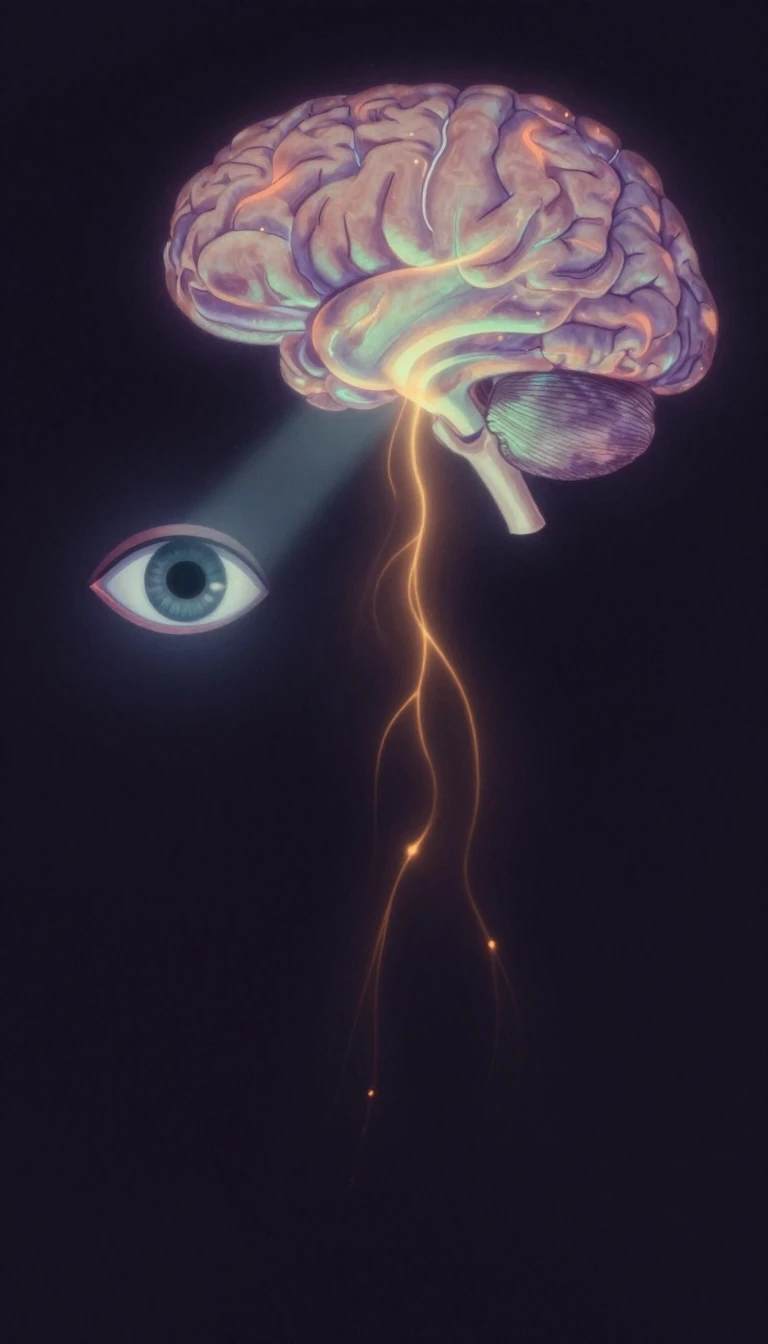 Why your brain invents logical reasons for actions you didn't actually chooseWe often act on unconscious impulses, only to construct a plausible, logical story after the fact. This defense mechanism, known as rationalization, protects our self-respect and …
 Why your biggest regrets are actually a map of your untapped potentialRegret is often dismissed as a painful burden, but psychologists view it as a sophisticated tool for adaptation. Far from mere self-recrimination, this emotion highlights where yo…
 Why remorse is the most powerful tool in the courtroom and the human heart.Remorse is more than just a feeling of regret; it is a social signal that bridges the gap between transgression and forgiveness. While genuine remorse can mend relationships and i…
 Why resentment is a dangerous, slow-burning fire that consumes the person holding itResentment is more than just bitterness; it is a complex, internalized emotional state that functions like a permanent smoke alarm. While anger helps us address immediate threats,…
 Why we hide what we know and the heavy cost of keeping secretsSecrecy is more than just keeping information quiet; it is a fundamental human practice used for everything from protecting nuclear designs to managing personal shame. Whether thr…
- Your self-concept is not just who you are, but who you hope to become.Self-concept is the collection of beliefs answering the question, Who am I? It is not merely a static description of your current traits, but a dynamic internal model that include…
 Is self-control a limited resource, or a skill that grows with practice?We often view self-control as a finite supply of willpower that depletes under pressure. Yet, psychological research suggests a more nuanced reality: while short-term use may exha…
 Is self-defense a legal right or a complex psychological and physical balancing act?Self-defense is more than just physical combat; it is a nuanced legal and psychological framework. From the early feminist movements challenging the myth of the natural male prote…
 Is selfishness a moral failing, a biological necessity, or the engine of human progress?Selfishness is often condemned as a vice, yet thinkers from Adam Smith to Ayn Rand have argued it is the hidden motor of economic and social advancement. From the cold calculation…
 Why groups use the silent treatment to enforce loyalty and punish dissentShunning is more than just ignoring someone; it is a powerful social sanction designed to isolate individuals from their community. Whether practiced by religious groups or inform…
 Social anxiety is more than just shyness; it is a persistent, overwhelming fear.Many people feel nervous before a party, but for those with social anxiety, the fear is constant and debilitating. It often emerges during the teenage years, impacting relationshi…
 Why we constantly measure our lives against others and how it shapes usWe are hardwired to evaluate our own abilities and opinions by comparing them to those around us. This drive, first formalized by Leon Festinger in 1954, acts as a hidden mechanis…
 Why your habits and emotions might actually be contagious, spreading through your social networkSocial contagion describes how behaviors and feelings ripple through groups without direct pressure. While early research focused on mobs and hysteria, modern science reveals that…
 Why your brain treats social rejection exactly like physical painHumans are wired to detect exclusion as a survival threat. When you are ignored or shunned, your brain activates the same neural pathways used to process physical injury. This evo…
 Social skills are not just manners; they are the tools for navigating human reality.Social skills are far more than etiquette. They are goal-oriented competencies that allow us to communicate, build relationships, and protect ourselves. Whether you are negotiatin…
 Why modern culture has traded the profound weight of sorrow for transient sadnessSorrow is more than just sadness; it is a long-term state defined by resignation. While Romantic poets once cultivated sorrow as a badge of depth, modern society has largely dampe…
 Why did ordinary college students become brutal prison guards in just six days?In 1971, a simulated prison study at Stanford University spiraled into chaos. College students assigned as guards began abusing their peers, forcing the experiment to end prematur…
- Why the term subconscious is often a telltale sign of intellectual misunderstandingWhile the subconscious is a staple of self-help literature, it is largely absent from rigorous psychoanalytic discourse. Freud famously abandoned the term, arguing it lacked the p…
 Why your brain prioritizes helping those who seem most deserving of your supportSympathy is more than a feeling; it is a complex social mechanism rooted in evolution. By shifting your perspective to another's distress, your brain triggers a System 1 response …
 Are you born with a fixed behavioral style that dictates your life's trajectory?Temperament refers to the inborn, biologically based traits that shape how you experience the world. While these consistent behavioral patterns are most visible in childhood, they…
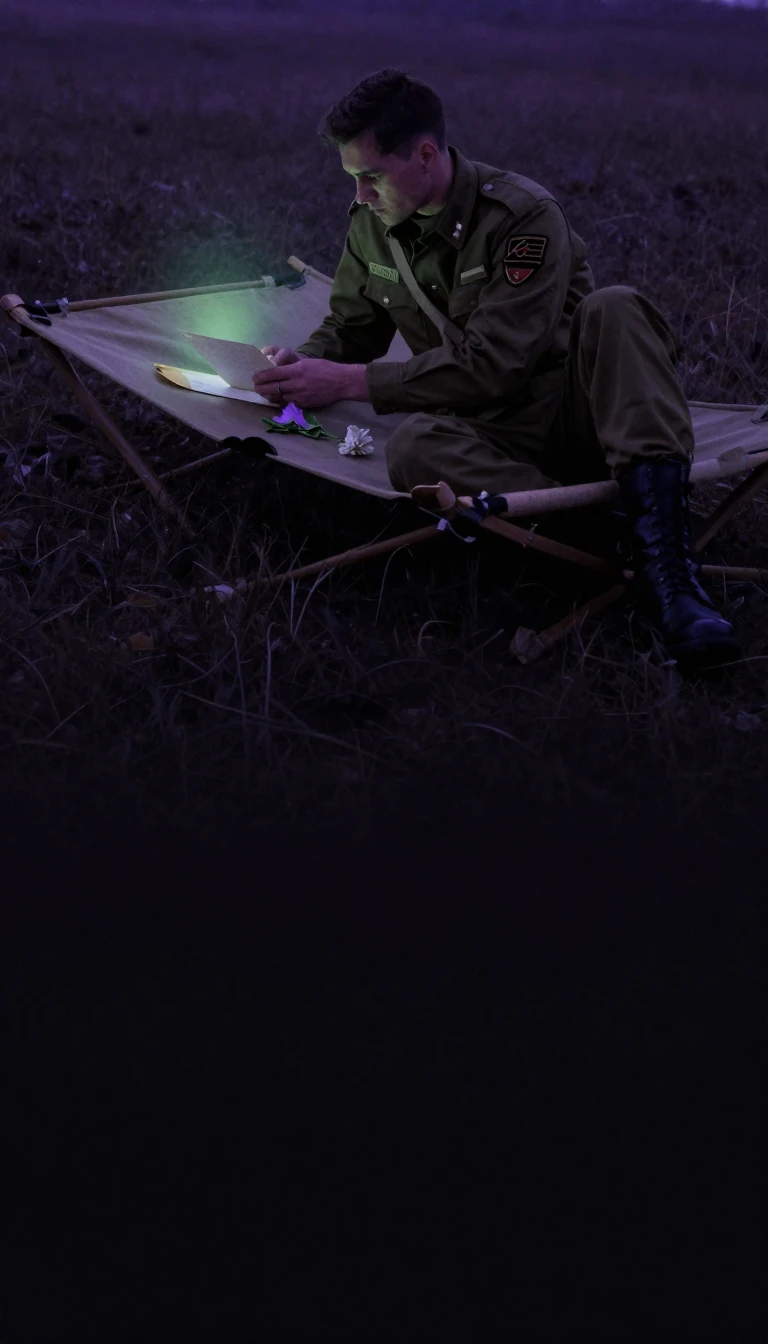 Why you unconsciously project your past onto the people you meet todayTransference is the psychological phenomenon where you displace old feelings, desires, or fantasies onto someone in your present life. Whether you are mistrusting a new acquaintan…
 Is unconditional love a biological imperative or a conscious act of human will?Unconditional love is often viewed as a purely emotional state, but science and philosophy suggest it is a complex mechanism. From the hardwired genetic drive to protect kin to th…
 Why the capacity for wonder is the true hallmark of the human spiritWonder is more than simple surprise; it is the engine of intellectual discovery and the foundation of philosophy. From the ancient Greeks to modern biologists, thinkers have debat…
 Why You Should Treat Your Emotional Health With The Same Care As Physical HealthThe holiday season is a period of intense reflection and family interaction, which can trigger either joy or significant anxiety. Psychologist Guy Winch argues that maintaining em…
 Are your psychological strengths and weaknesses written in your DNA from the moment of conception?For decades, we have debated the influence of nature versus nurture on our development. Behavioral geneticist Robert Plomin argues that the DNA revolution has settled this: geneti…
- Why your brain is the ultimate architect of your personal realityWe often view the brain as a uniform organ, but neuroscientist Chantel Prat argues that individual differences define who we are. From the dramatic personality shifts of historica…
 How can we communicate the climate crisis without triggering paralyzing despair in the public?Constant headlines about impending climate doom often lead people to believe the situation is hopeless. To drive meaningful action, climate professionals must shift their approach…
 Why a single IQ score fails to capture the full spectrum of human intelligenceFor decades, we have relied on the IQ test to measure cognitive ability. But psychologist Howard Gardner argues this approach is fundamentally flawed. By proposing a theory of mul…
 Why many autistic individuals spend their entire lives hiding their true selvesMasking is the subconscious or conscious effort to suppress autistic traits to appear neurotypical. While often used as a protective coping mechanism to avoid judgment, this const…
- Do children actually learn languages faster than adults? The science says otherwise.The belief that children are superior language learners is almost universal, yet evidence suggests adults often learn faster and more easily. While children possess a unique biolo…
 Beyond the Ceremony: The Biological and Psychological Roots of Human Marriage RitualsWeddings are more than just parties; they are ancient rituals designed to validate unions and ensure societal continuity. While we often focus on the budget or the guest list, the…
 Why waiting for the right climate belief is keeping you from taking real actionConventional wisdom suggests that awareness must come before action, but neuroscientist Kris De Meyer argues the reverse is true. By examining the brain's decision-making processe…
 Why do we love music that critics once called a cacophonous, dreary mess?We often equate musical value with pleasure, yet our deepest connections are frequently forged through challenging, uncomfortable, or even painful sounds. From the Beatles to Stra…
 Why do we love music that critics once called a dreary and cacophonous mess?We often equate musical value with immediate pleasure, yet our deepest connections are frequently forged through challenging, tense, or even painful sounds. From the Beatles to Be…
 Why admitting you are wrong is a superpower for your intellectual growthIntellectual humility is the quiet recognition that your beliefs might be incorrect. Far from a sign of weakness, Tenelle Porter argues that embracing the possibility of being wro…
 Global prevalence of anxiety disorders varies significantly by culture and demographicsA systematic review of 87 studies across 44 countries found that the global current prevalence of anxiety disorders, when adjusted for methodology, is approximately 7.3%. The rese…
 Researchers find that being studied changes how people behaveA systematic review of nineteen studies found that the Hawthorne effect—where people alter their behavior because they know they are being observed—is a real phenomenon. While mos…
 A new framework explains how curiosity and interest drive long-term learningResearchers have proposed a new reward-learning framework to explain how people acquire knowledge. By viewing knowledge acquisition as an inherent reward, the authors suggest that…
 How network analysis reveals complex patterns in psychological dataResearchers studying psychological science have been increasingly using network analysis to uncover hidden patterns in multivariate data. By treating individual variables as inter…
- Why your brain chooses verbal worry over vivid mental imageryWorrying feels like a burden, but it might actually be a misguided defense mechanism. By turning fears into a loop of words, your brain attempts to bypass the intense physical sen…
- The first quantitative law of psychology was born from touchBefore we could map the mind, we had to measure the senses. In the 19th century, researchers moved beyond mere observation to find the mathematical rules governing human perceptio…
 The biological edge and burden of the fight or flight responseStress is often viewed as a purely psychological burden, but it is fundamentally a biological reaction. While a controlled amount of pressure can sharpen our focus and drive produ…
 Why feeling for others is more than just simple empathyWe often confuse empathy with compassion, but they are distinct psychological forces. While empathy is the automatic mirroring of another's emotions, compassion is a sophisticated…
- The many faces of deceit: from romantic infidelity to psychological researchDeception is rarely just a simple lie. It manifests as subtle exaggerations, strategic omissions, or even complex digital personas. Whether used to protect a relationship, win a n…
 Is affection merely a mild form of passion or something entirely different?While often used interchangeably with love, affection occupies a unique psychological space. It is a state of mind that can trigger everything from pleasure to annoyance, and its …
 Virtual reality therapy helps some mental health conditions more than othersA review of clinical psychology research traces how virtual reality therapy, first developed for phobias, has been extended to conditions including post-traumatic stress disorder,…
 Why psychology struggles to build lasting scientific theoriesResearchers examining the field's current state found that psychology is facing a significant theory crisis. The authors argue that the difficulty in making cumulative progress st…
 A new metric pinpoints the most influential symptoms in complicated griefResearchers studying the psychological network of complicated grief developed two new 'expected influence' (EI) measures that, unlike standard centrality measures, account for sym…
- Why your brain is easily fooled by magic and misdirectionPsychologist Gustav Kuhn uses magic to demonstrate how misdirection and optical illusions reveal the hidden mechanics of the human mind.
 Why your traditional relationship rules might be causing constant frictionCouples therapist Stephanie R. Yates-Anyabwile argues that the secret to a fulfilling partnership lies in rewriting societal scripts rather than following them. This talk explores…