 Intellect Plus
Psychology
575 cards. Each one is a 40-second story with a five-minute read behind it. Page 5 of 10.
 Could your birth season be shaping your temperament and mood?While astrology is often dismissed as bunk, scientific research suggests your time of birth might actually influence your brain chemistry. From mood swings to excessive positivity…
 Why do astronauts perform strange rituals before being fired into space?From peeing on bus wheels to echoing the habits of Yuri Gagarin, astronauts follow peculiar traditions before launch. This video explores whether these superstitious quirks serve …
 How our brains filter reality before we even realize itWe navigate a world of endless sensory data, yet we only experience a fraction of it. Through a rapid process of selection, organization, and interpretation, our minds transform r…
 Why does a math test make your heart race and palms sweat?This video examines the phenomenon of math anxiety, a condition affecting roughly one-fifth of the population. Orly Rubinsten explores the underlying research to understand why th…
 Why total creative freedom is often a recipe for paralysisMost people believe that unlimited options lead to better ideas. In reality, complete freedom can be overwhelming. This video explores how imposing specific boundaries actually fu…
 Why do people join groups with extreme ideologies?This video explores the mechanics of cult recruitment and manipulation. Sociologist Janja Lalich explains what distinguishes these movements from other groups and examines the psy…
 Why we mistakenly believe the brain is split by personalityWe often assume the left side of our brain handles logic while the right side manages creativity. This video explores the origins of this pervasive misconception and explains why …
 Why the fear of the unknown creates the most effective suspenseTrue suspense isn't about showing monsters or blood; it is about what you leave out. This video explores how authors use the unknown to keep readers hanging.
 Why we often overestimate our own skills and abilitiesWe struggle to judge how our talents compare to others. This video explores the psychological phenomenon where people frequently miscalculate their own competence, a concept known…
 Is your dog misbehaving, or just speaking a language you don't understand?We often label canine behaviors as 'bad,' but what if these actions are actually attempts to communicate? Canine cognition expert Alexandra Horowitz suggests that many common misb…
 Why do we fail right when it matters most?Even after years of practice, athletes can miss crucial shots due to a phenomenon called "choking." This video explores why performance collapses under pressure and how to prevent…
 Why our focus on doom obscures the incredible progress of humanityJournalist Angus Hervey explores why positive developments are rarely reported and argues that shifting our narrative away from constant doom is essential to recognizing human pot…
 Why our brains treat inevitable change as a threatUnexpected life shifts—from sudden illness to the end of a relationship—can feel paralyzing. Cognitive scientist Maya Shankar explores why these disorienting moments occur and pro…
 Are Alfred Hitchcock's films a cinematic genre all their own?Explore the recurring themes and techniques that define the Hitchcockian style. This MIT lecture examines how Shadow of a Doubt and Rear Window use complex storytelling to engage …
 Why your brain makes the stock market irrationalStandard economic theory suggests markets are perfectly rational machines that instantly price in all available data. However, real-world behavior tells a different story. From do…
 Stock markets are not rational machines; they are mirrors of human emotionThe Efficient Market Hypothesis suggests that stock prices perfectly reflect all available information. However, evidence shows the opposite: markets are driven by psychology. Pri…
 Why your brain is wired to make poor investment choicesSound financial planning often fails not because of a lack of data, but because of psychological biases. This lecture explores how our internal wiring leads to costly trading habi…
- Why do we play? The complex psychology behind gaming preferencesFrom competitive baseball to watching Minecraft videos, our gaming choices vary wildly. This video explores the psychological reasons behind these diverse preferences and what our…
 Why financial planning is only half the battle of retirementRetirement is often framed as a permanent vacation, but that novelty can quickly fade into a psychological slump. Riley Moynes explores how to navigate the transition from work li…
 Why trying to be a machine is ruining your productivityMost people approach productivity by trying to eliminate human traits like procrastination. Entrepreneur Dan Shipper argues that the real solution lies in embracing our biology th…
- Why humor is the most effective tool for facing tragedyComedy is often described as tragedy plus time, but it also serves as a practical mechanism for navigating life's heaviest burdens. Roy Wood Jr. explains how finding the silly in …
- The fairytale industrial complex is lying to you about loveLove coach Francesca Hogi deconstructs the modern romantic myths we've been sold. Instead of looking for a perfect external ending, she argues that the keys to true love are actua…
 How a 1920 psychological study conditioned a baby to fear anything fluffyDiscover the chilling details of the Little Albert experiment, a landmark study in behaviorism that sought to understand how human emotions are learned.
 The biological reason your neighbor's farts might offend you moreHave you ever noticed that other people's bodily odors seem more repulsive than your own? This video explores the psychological and biological mechanisms behind why we perceive ex…
 Can a sleepwalker be held responsible for a violent crime?Sleepwalkers can appear awake while behaving in bizarre, irrational, or even intense ways. This video explores the legal implications of when these walking dreamers unintentionall…
 Why wine experts can be easily fooled by cheap labelsThe world of wine tasting is often viewed as a high-brow pursuit of refined palate. However, research suggests that even the most seasoned experts can be manipulated by simple tri…
- Why swearing might be more than just a social tabooIs profanity a sign of poor vocabulary or a functional tool? Scientist Emma Byrne explores the mechanics of swearing and answers audience questions about its origins and impact.
 How a single scent can unlock the architecture of traumaWhy do certain smells trigger vivid, involuntary memories of the battlefield? This exploration examines how olfactory triggers provide a unique window into the neurological proces…
 Understanding the complex links between head injuries and psychological traumaIn this Royal Institution Q&A, experts address pressing questions regarding the nature of PTSD and the physiological connections between brain injury and psychological distress.
- Does the unique wiring of your brain dictate your personality?Neuroscientist Kevin Mitchell explores how variations in brain development influence the fundamental traits that make us individuals, from intelligence to sexuality.
- Why major life changes rarely lead to lasting happinessWe often assume big milestones will transform our well-being, but a psychological phenomenon known as hedonic adaptation suggests otherwise. This video features Joe Gladstone expl…
 What actually drives the science of changing human behaviour?How do we influence habits and sustain environmental change? This Royal Institution Q&A brings together psychological experts to answer audience questions on the mechanisms of beh…
 Beyond the stigma: what we truly understand about schizophreniaDespite being identified over a century ago, schizophrenia remains one of the most misunderstood and stigmatized illnesses. This video investigates the current scientific understa…
 Was Sigmund Freud's influential theory of the mind actually scientific?At the turn of the 20th century, a Viennese neurologist transformed our understanding of the psyche. This video examines the controversial legacy of Sigmund Freud and questions wh…
 How a tool for helping children became a weapon of ideologyThe modern IQ test began as a compassionate effort to identify students needing extra support. This video traces how that scientific tool was later co-opted to justify baseless id…
 Why nobody joins a cult on purposeFormer Nxivm member Sarah Edmondson explains how manipulative groups ensnare ordinary people. This talk explores the subtle red flags that distinguish a dangerous cult from a heal…
 Why asking if your partner is "the one" is the wrong approachPsychiatrist George Blair-West argues that marrying for love is a modern phenomenon we have yet to fully master. This video explores why the way a marriage begins can influence it…
 Can the way you argue actually predict your relationship's future?Conflict is inevitable in any partnership, but it doesn't have to be destructive. Relationship scientists Julie and John Gottman explain how the specific mechanics of your argumen…
 Why emotional heartbreak can feel like actual physical painNeuroscientist Yoram Yovell explores the profound connection between our mental and physical suffering. This video examines how the brain processes love and loss, revealing how sp…
 Why you cannot simply find motivation, but must learn to create itMotivation is not something you discover; it is something you build. Scientist Ayelet Fishbach explains how to use two decades of research to optimize your goals and overcome the …
- Why your stress relief habits might actually be draining youWhen anxiety strikes, we often turn to quick fixes like social media scrolling or procrastination. Psychologist Andrew Miki explores why these immediate escapes often leave us fee…
 How do humans recognize objects from only a tiny fragment?This lecture explores the human capacity to identify entire object categories using minimal visual information. Shimon Ullman examines why current computer vision models struggle …
 How to perform a mind-reading trick using simple calibrationDiscover a psychological illusion that allows you to correctly guess a spectator's card. This MIT OpenCourseWare demonstration shows how a calculated 'failure' on initial attempts…
- The psychology of deception: why we fall for history's greatest hoaxesFrom fake news to elaborate practical jokes, some deceptions have shaped our collective reality. This video explores 49 instances where people genuinely believed lies, examining t…
- Why our brains choose irrational rituals over logical realityEven the most logical adults often find themselves avoiding a ladder or feeling uneasy on Friday the 13th. While we know these actions have no supernatural power, our minds still …
 Why do we find certain things fun and others not?In this episode of The List Show, John Green explores the mechanics of joy. This video examines various informative facts regarding leisure, entertainment, and the nature of happi…
 How to distinguish between false empathy and true supportAuthor and scholar Chezare A. Warren explores the distinction between performing empathy and providing genuine support. This video examines why we often get empathy wrong and the …
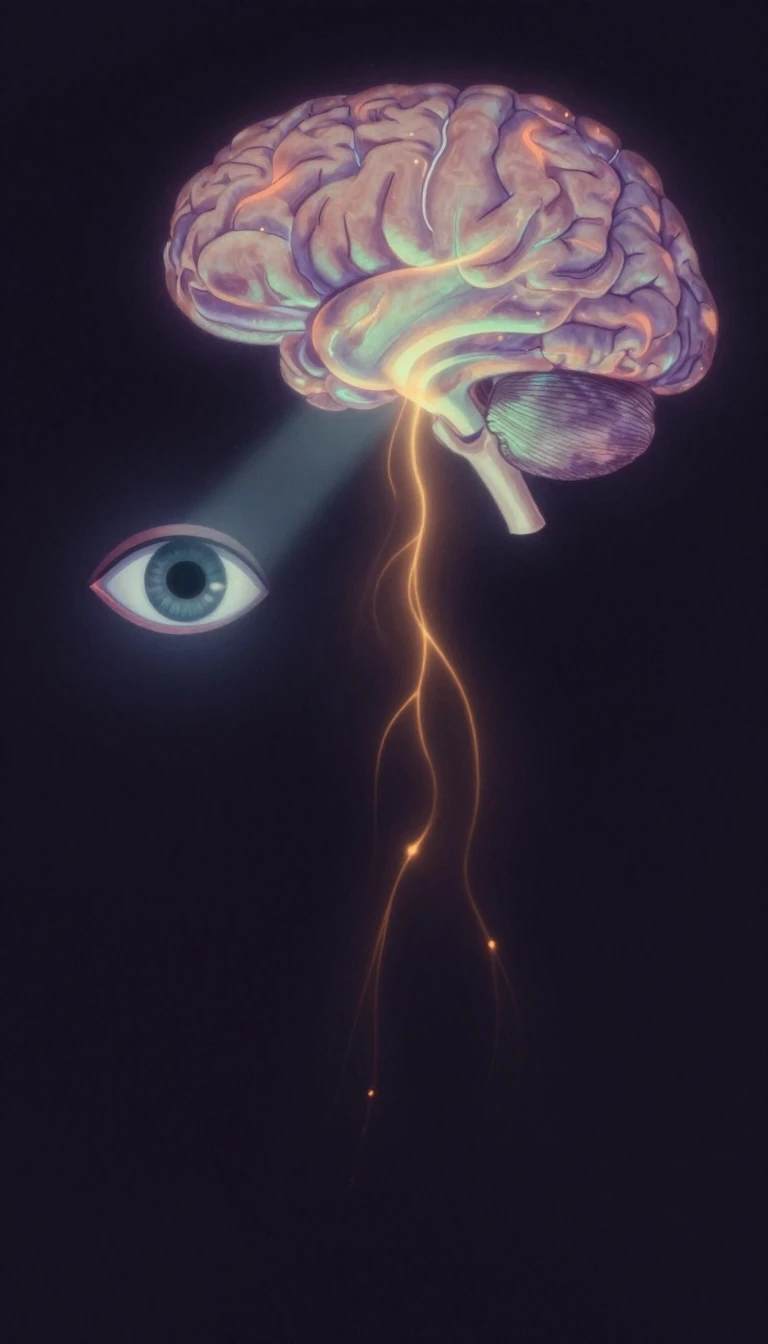 Why your brain occasionally tricks you into believing you have lived this moment before.Déjà vu is a fleeting, false sense of familiarity that strikes nearly everyone. It occurs when your brain misfires, blurring the boundary between a new experience and a stored mem…
- Why true acceptance is not about giving up, but about gaining psychological freedomAcceptance is often mistaken for passivity, yet it is a deliberate, active psychological process. Whether you are navigating internal emotional struggles or seeking social belongi…
 Why your brain reacts to trauma with a temporary, protective, and intense shutdownWhen faced with extreme danger, the human body triggers a survival mechanism that floods the system with adrenaline. While this fight-or-flight response can be life-saving in the …
 Why being nice is not always a virtue in the eyes of psychologyAgreeableness is a core personality trait defined by kindness, cooperation, and empathy. While it fosters social harmony and longevity, it is not purely positive. High agreeablene…
 Why the weight of your freedom is the source of your deepest anxietyAngst is more than simple worry; it is the specific, heavy realization of human liberty. While animals follow instinct, humans face the terrifying burden of choosing their own pat…
 Why do repetitive sounds and minor interruptions eventually drive us to absolute distraction?Annoyance is more than just a fleeting irritation; it is a complex mental state that disrupts our focus and can escalate into genuine anger. While we often blame others for our fr…
 Anonymity is a double-edged sword that protects the vulnerable while shielding the maliciousAnonymity is more than just namelessness; it is a state of being unreachable and untrackable. While it serves as a vital shield for whistleblowers, charity donors, and those seeki…
 Why the most effective apologies often cost the offender something tangible or socialAn apology is more than just saying sorry; it is a complex social mechanism designed to restore broken trust. While often seen as a simple expression of regret, the effectiveness …
- Can scientific research solve the most complex problems of human behavior and experience?Applied psychology bridges the gap between laboratory theory and real-world action. By using scientific methods to address challenges in clinical, forensic, and industrial setting…
 Why do some people crave rigid order while others embrace ambiguity and change?The authoritarian personality is defined by a deep-seated need for hierarchy, unquestioning obedience, and a disdain for those who challenge social norms. While often linked to po…
- Is authority a necessary social contract or an inherent violation of human autonomy?Authority is more than just power; it is the legitimate right to influence others. While brute force or incentives can compel behavior, true authority relies on a normative relati…
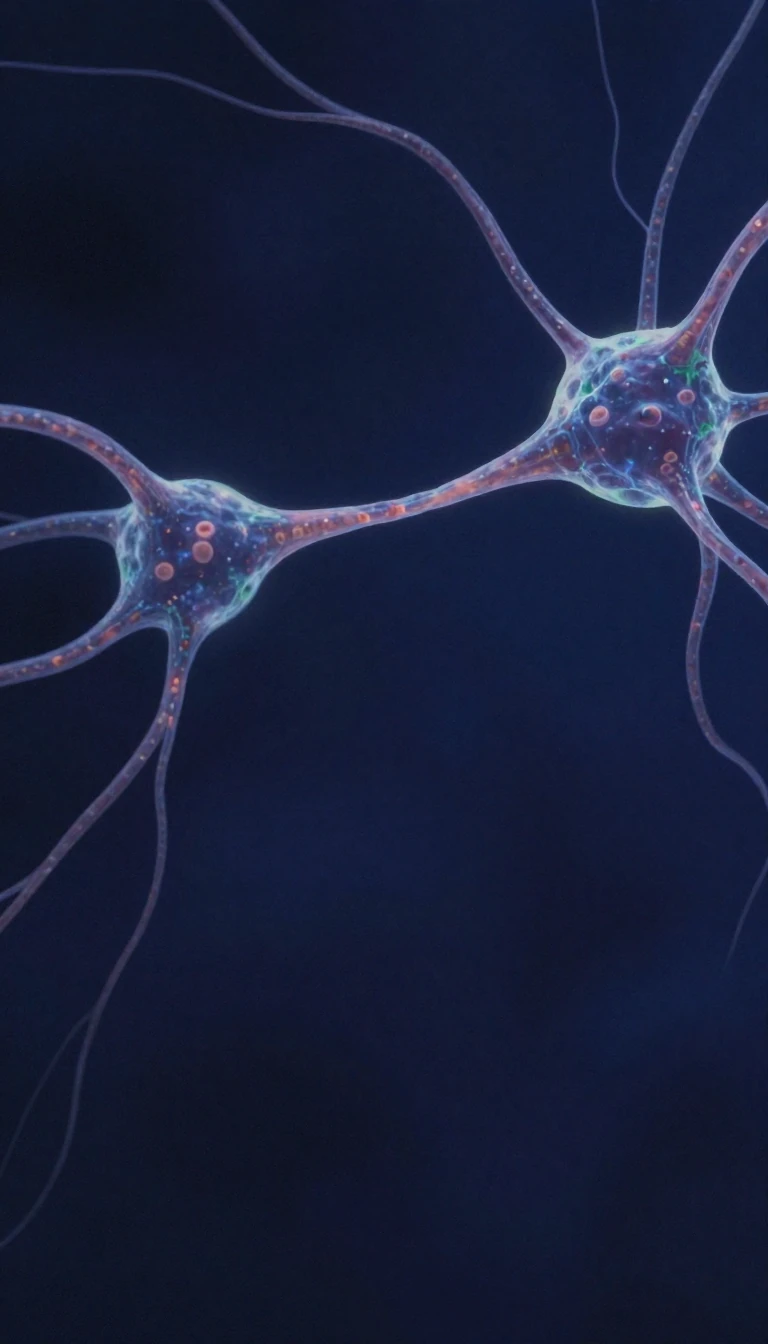 How do neural circuits and chemical signals actually dictate the way we behave?Behavioural neuroscience bridges the gap between biology and action. By mapping how brain activity and molecular pathways influence everything from memory to emotion, researchers …
 Is cheating a moral failing or just an inevitable response to broken systems?Cheating is often framed as a simple breach of ethics, yet it permeates everything from academic halls to professional sports and high-stakes finance. Whether it is a student usin…