 Intellect Plus
Thought experiments
13 cards. Each one is a 40-second story with a five-minute read behind it.
 What if the visitors aren't from space, but from beneath our feet?The cryptoterrestrial hypothesis suggests that UFO sightings aren't evidence of interstellar travelers, but of a hidden, technologically advanced civilization living right here on…
 Why nature has mastered propellers but failed to build wheelsWheels are a staple of human engineering, yet they are virtually non-existent in the animal kingdom. While we see them everywhere from bicycles to carts, biology seems to have hit…
 Why your computer might find 'postfix' easier than 'infix'Most humans write math as "2 + 3". Computers, however, often prefer "2 3 add." This is the core of stack-oriented programming—a paradigm where data moves like a conveyor belt. By …
 Could a machine's blueprint be the ancestor of DNA?Long before we understood the double helix, mathematicians were designing machines that could evolve. By theorizing about robots that copy instructions separately from their physi…
 Could a future superintelligence blackmail you from across time?In 2010, a post on the rationalist forum LessWrong introduced a terrifying thought experiment. It suggests that a benevolent future AI might punish anyone who knew of its potentia…
- How imagining the worst-case scenario can actually lead to your best performanceMost people view pessimism as a personality flaw, but for some, it is a sophisticated cognitive tool. Defensive pessimism allows individuals to harness anxiety as a fuel for prepa…
 The unseen entities that challenge our understanding of reality and physicsIn philosophy and science, a 'demon' is rarely a malevolent spirit. Instead, these hypothetical beings serve as powerful tools to test the limits of thermodynamics, causality, and…
 Why giving your wallet to a mugger might be mathematically rationalIf a thief promises you a reward so vast it outweighs any chance of them lying, standard logic says you should hand over your money. This paradox, known as Pascal's mugging, expos…
 Why 'If' doesn't always mean what we think it meansWhen you say, 'If I had won the lottery, I would have bought a boat,' you are describing a world that doesn't exist. But how does our brain distinguish these imaginary scenarios f…
 To understand what happened, we must imagine what did notHow do we know a specific battle or invention actually changed the world? Historians use counterfactual history to test the weight of the past. By imagining a world where a key ev…
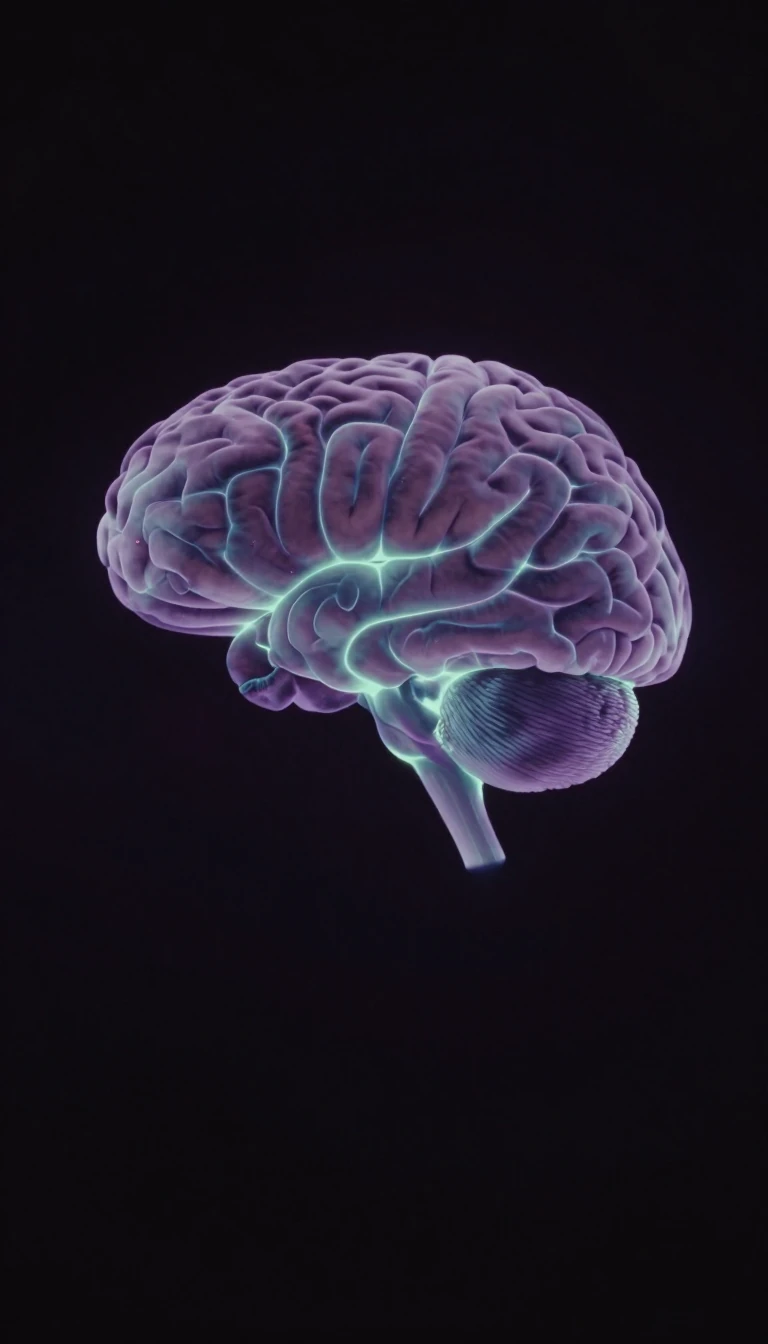 The grotesque 'little man' in your brain is being rewrittenFor nearly a century, neuroscience textbooks have featured a bizarre, distorted figure: a hairless goblin with massive lips and hands. This 'homunculus' was long considered the de…
 A 500-billion-euro wall to stop the rising oceanImagine a megaproject so massive it would take a century to build. The Northern European Enclosure Dam is a proposed engineering feat designed to wall off the North Sea and the En…
 Can you navigate a paradox where two versions of yourself meet in the past?When you and a professor travel back in time, you encounter older versions of yourselves. This meeting threatens to collapse the universe. Dan Finkel presents a logic puzzle that …