The grotesque 'little man' in your brain is being rewritten
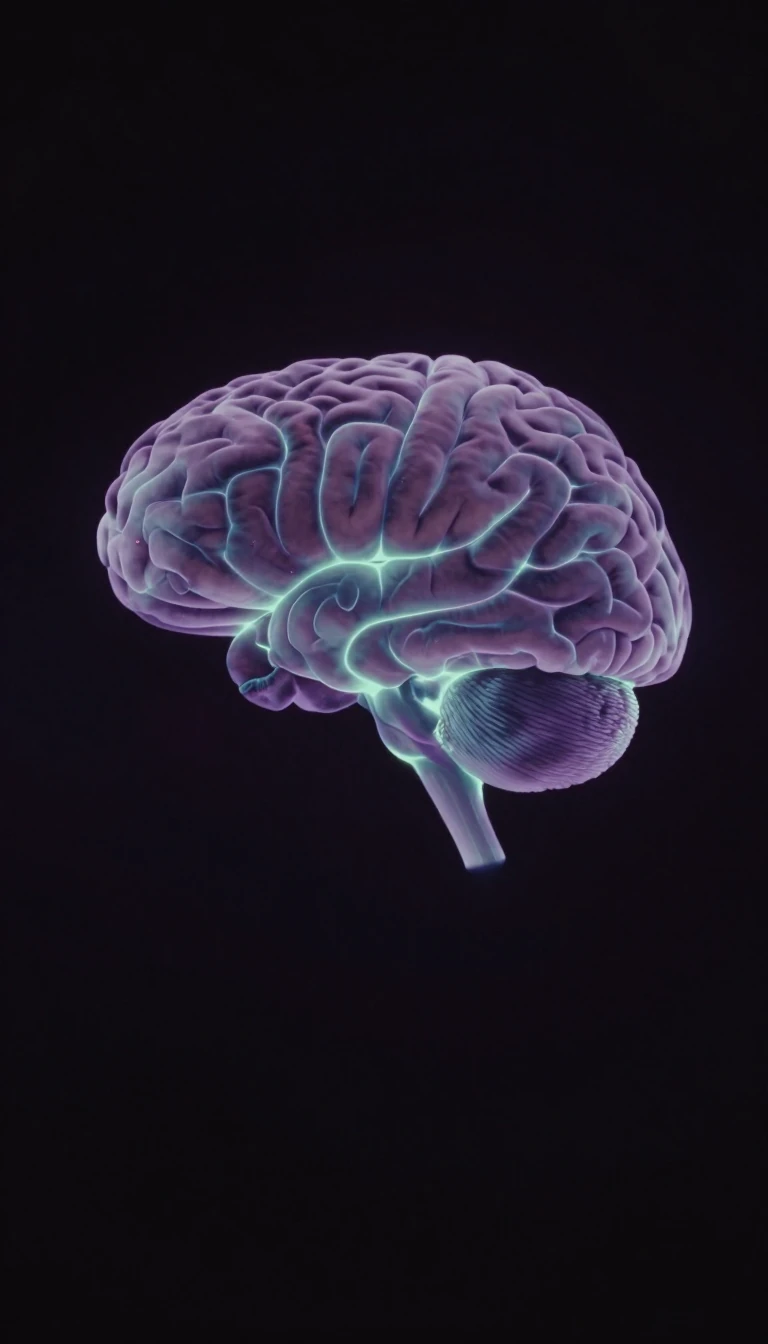
In short: For nearly a century, neuroscience textbooks have featured a bizarre, distorted figure: a hairless goblin with massive lips and hands. This 'homunculus' was long considered the definitive map of how our brains control movement, but modern research suggests this iconic 90-year-old metaphor may be far too simplistic.
The concept of the cortical homunculus emerged in 1937 following pioneering work by neurosurgeon Wilder Penfield. By using direct electrical stimulation on awake patients under local anesthesia, Penfield mapped specific areas of the cerebral cortex to corresponding body movements and sensations. One of the most renowned scientific diagrams was produced by a nurse collaborating on his research; it depicts a warped human form where features such as feet, hands, and faces are scaled based on their respective neural space.
This mapping revealed that brain organization is not based on physical size but on complexity of innervation. Because our hands and faces require intricate motor control and high sensory resolution, they occupy much larger portions of the cortex than our backs or legs. This resulted in a visual representation often depicted as an upside-down figure with bat wings or a grotesque goblin with enormous lips and tongue.
While this model was a pillar of neuroscience for decades—supported by neuroimaging and stroke recovery data—it has faced radical revision since the 2010s. Recent findings suggest that the internal body map is likely less simplistic and graphic than the traditional homunculus implies. Researchers are now moving toward a more nuanced understanding of how brain regions actually interact with the rest of the body, challenging a metaphor that dominated the field for nearly 90 years.
The revision matters because it shifts our understanding from a static 'map' to a dynamic system. While the homunculus provided an essential starting point for locating motor and sensory functions in the precentral and postcentral gyri, current science seeks to untangle the complexities of how these signals are actually processed and integrated.
Opens the Intellect+ feed with this card first. Swipe up for the next one.
Sources
- Summary by Intellect · source: How Our Team Overturned the 90-Year-Old Metaphor of a
- Also: Cortical homunculus
- Also: Homunculus | Description, History, Models, & Importance | Britannica
To cite this card, link to https://intellectplus.co.uk/app/ideas-cortical-homunculus.
How we source, check and correct cards: Editorial standards.
General information, not professional advice. Spotted an error? Flag the card or see corrections and complaints.
Intellect Plus is a visual educational discovery platform for exploring fascinating facts and ideas. Brain Food, Not Brain Rot. What is Intellect Plus?
Related
More in Thought experiments · More in Ideas & Philosophy · Latest · A–Z · All topics
