 Intellect Plus
Bilateria, others
31 cards. Each one is a 40-second story with a five-minute read behind it.
 The spiny-headed worm is a master of parasitic survival without a gutThese bizarre parasites, known as Acanthocephala, lack a mouth or digestive system entirely. Instead, they use a retractable, hook-covered snout to anchor themselves into the inte…
 The deceptive biology of Ancylostoma: from parasitic worms to the rare bowmouth guitarfishThe name Ancylostoma appears in two vastly different corners of the natural world. It identifies a genus of parasitic hookworms that plague domestic animals and occasionally human…
 The hidden architect of the beach: how the lugworm engineers its sandy fortressBeneath the coiled sand mounds on your local beach lies a sophisticated U-shaped burrowing system. Lugworms are master engineers, using mucus-lined galleries and rhythmic body con…
 The world's most common worm infection takes a bizarre, mandatory detour through your lungs.Ascaris lumbricoides is a giant roundworm that infects over a billion people. After you swallow its microscopic eggs, the larvae do not simply stay in your gut. They embark on a m…
 Arrowworms are transparent marine predators that defy classification within the animal kingdom.These dart-shaped carnivores, known as chaetognaths, are masters of the open ocean. Ranging from mere millimetres to over ten centimetres in length, they hunt using paralyzing neu…
 These tiny parasites live in cephalopod kidneys and have no nervous system at all.Dicyemida are microscopic parasites that inhabit the renal appendages of squid, octopus, and cuttlefish. Lacking respiratory, circulatory, excretory, and nervous systems, these or…
 True tapeworms are masters of survival, living without mouths or digestive tracts for decades.Known as Eucestoda, these parasites inhabit the intestines of vertebrates worldwide. Lacking a digestive system, they absorb nutrients directly through their skin. These creatures…
 These microscopic aquatic creatures use a two-part glue system to anchor themselvesGastrotrichs are tiny, transparent invertebrates that thrive in the spaces between sand grains and soil. Ranging from 0.1 to 1.5 millimetres in size, these creatures navigate thei…
 Beneath the soil of Victoria hides a giant worm that can reach three metersThe giant Gippsland earthworm is a subterranean marvel, reaching lengths of up to three meters. Unlike common garden worms, this elusive creature spends its entire life deep under…
- The tiny jaw worms that thrive in the oxygen-starved depths of coastal mudGnathostomulids are nearly microscopic marine animals that live in the sand and mud of shallow coastal waters. Despite their tiny size, these thread-like creatures possess a compl…
 Acorn worms are the unlikely missing link between humans and starfishHemichordates, or acorn worms, are marine invertebrates that hold the key to understanding our own evolutionary origins. By sharing a common ancestor with both echinoderms and cho…
- Meet the mud dragon, a microscopic powerhouse thriving in the ocean floor's hidden depths.Known as mud dragons, Kinorhyncha are tiny, segmented marine invertebrates that navigate the seafloor by retracting and thrusting their spiny heads. Though they measure only a mil…
 This microscopic creature hides a jaw apparatus more complex than its larger relativesLimnognathia maerski is a tiny freshwater animal, measuring roughly one-tenth of a millimeter. Despite its size, it possesses an intricate jaw system that functions with remarkabl…
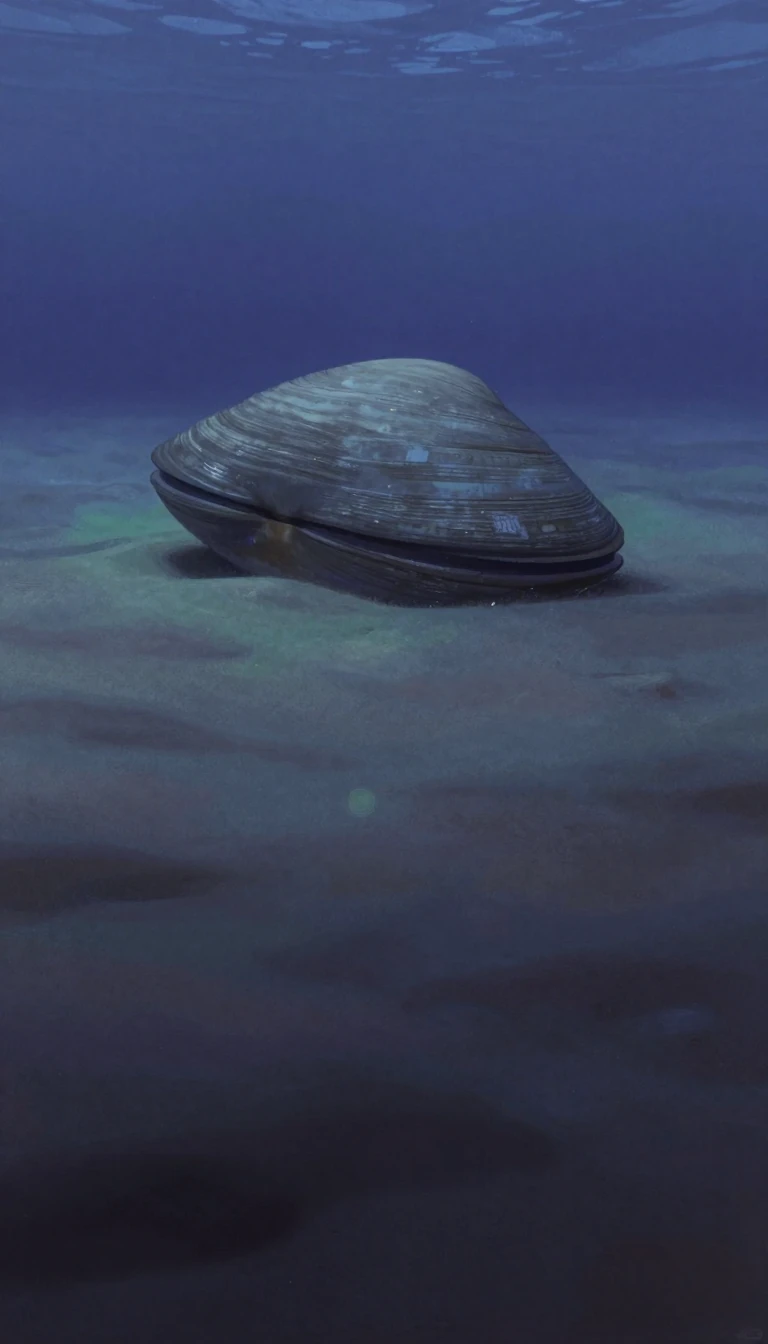 These ancient tongue-shaped creatures have survived unchanged for over 500 million yearsThe Lingulata are among the most enduring animals on Earth, appearing in the fossil record during the Cambrian period. Remarkably, these brachiopods have maintained their distinct…
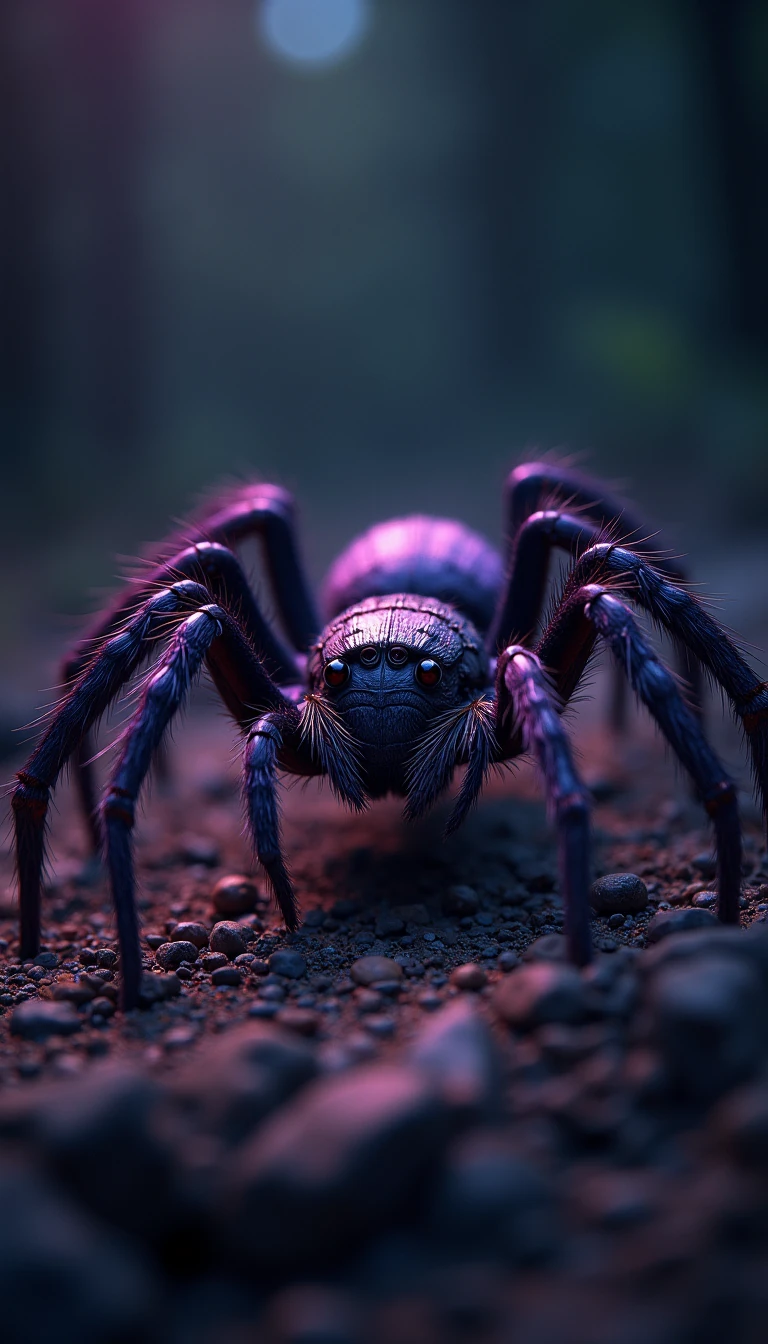 Ancient worm-like creatures reveal the hidden origins of the complex arthropod headLong considered simple, soft-bodied relics of the Cambrian, lobopodians are now being re-examined to understand how the diverse heads of modern spiders, insects, and crustaceans e…
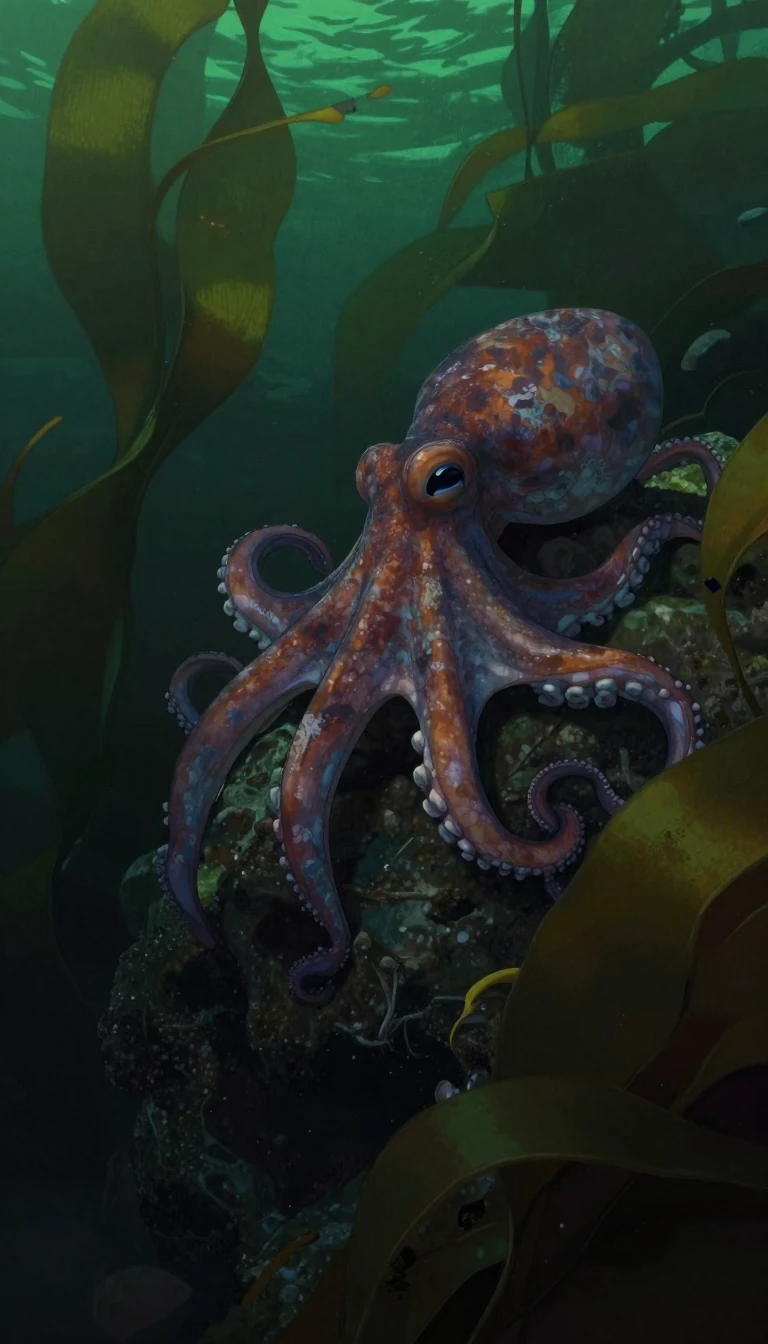 The Lophotrochozoa clade reveals how diverse life forms share a hidden evolutionary lineageWhat connects a humble mollusc to a complex bryozoan? The answer lies in the Lophotrochozoa, a massive group of animals defined not by their adult appearance, but by molecular evi…
 These microscopic animals live their entire lives in a world without any oxygenLoricifera are tiny, armored creatures that remained hidden from science until 1983 because they cling tightly to marine gravel. While most animals require oxygen to survive, some…
- This ancient caterpillar-like worm wore a suit of armor made of net-like plates.Long before modern animals dominated the seafloor, a strange creature called Microdictyon roamed the Cambrian oceans. This lobopodian worm featured ten pairs of tube-like legs and…
 These parasitic worms hijack insect brains to force them into a watery graveNematomorphs, or horsehair worms, are masters of biological manipulation. These slender parasites infect arthropods, eventually compelling their hosts to seek out water and drown.…
 The longest animal on Earth is not a whale, but a slimy ribbon worm.Ribbon worms, or Nemertea, are masters of stealth and regeneration. While most are small, some reach staggering lengths, potentially exceeding the size of the largest blue whales.…
- These common marine worms are vital to global ecosystems and human aquaculture industriesNereididae, or ragworms, are among the most familiar marine annelids, thriving in environments from freshwaters to the deep abyss. Beyond their ecological significance as food for…
 Beyond the garden earthworm: the hidden world of the subclass OligochaetaWhile you likely know them as the humble earthworms aerating your soil, oligochaetes are a diverse group of segmented worms thriving in oceans, freshwater, and land. These inverte…
- Orthonectids are among the simplest multicellular animals, yet their evolutionary history remains deeply mysterious.These microscopic marine parasites lack complex organs, consisting of little more than a ciliated outer layer and a mass of sex cells. Despite their extreme simplicity, scientists…
 The horseshoe worm is a biological enigma that has baffled scientists since 1846.These small, tube-dwelling marine invertebrates are rarely seen, yet they carpet shallow ocean floors in thousands. Despite their simple appearance, they possess a complex, U-shap…
 Why the name protostome is a biological misnomer for most of the animal kingdomProtostomes represent roughly 95% of all living animal species, yet their defining namesake—the mouth forming from the first embryonic opening—is surprisingly inconsistent. While …
- Despite their jelly-like appearance, these creatures are actually closer to humans than jellyfish.Salps are often mistaken for jellyfish, but they are actually complex chordates with hearts, brains, and digestive tracts. As some of the fastest-growing multicellular animals on …
- These microscopic animals were so bizarre they required their own phylum to be classified.Discovered in 1995 on the mouthparts of Norway lobsters, Symbion are tiny, sac-like creatures that defy easy categorization. With a complex life cycle involving three distinct for…
 The pork tapeworm is a global health threat that turns human brains into hosts.Taenia solium is more than a simple intestinal parasite. While eating undercooked pork causes mild taeniasis, ingesting the tapeworm's eggs directly can lead to cysticercosis. Whe…
 These parasitic flatworms have evolved to thrive inside the bodies of other living creatures.Trematoda, or flukes, are a class of parasitic flatworms that have mastered the art of living within hosts. Ranging from microscopic to several centimetres long, these organisms l…
 The sludge worm is a global survivor that thrives in the world's filthiest placesTubifex worms are resilient annelids that inhabit sediments in rivers, lakes, and even sewer lines. While often harvested as high-protein fish food, these hermaphroditic creatures…
- The name Turbellaria comes from the microscopic whirlpools created by their beating cilia.These flatworms, ranging from tiny specks to 600-millimeter giants, lack respiratory and circulatory systems, forcing them to rely on simple diffusion. While traditionally grouped…