These ancient tongue-shaped creatures have survived unchanged for over 500 million years
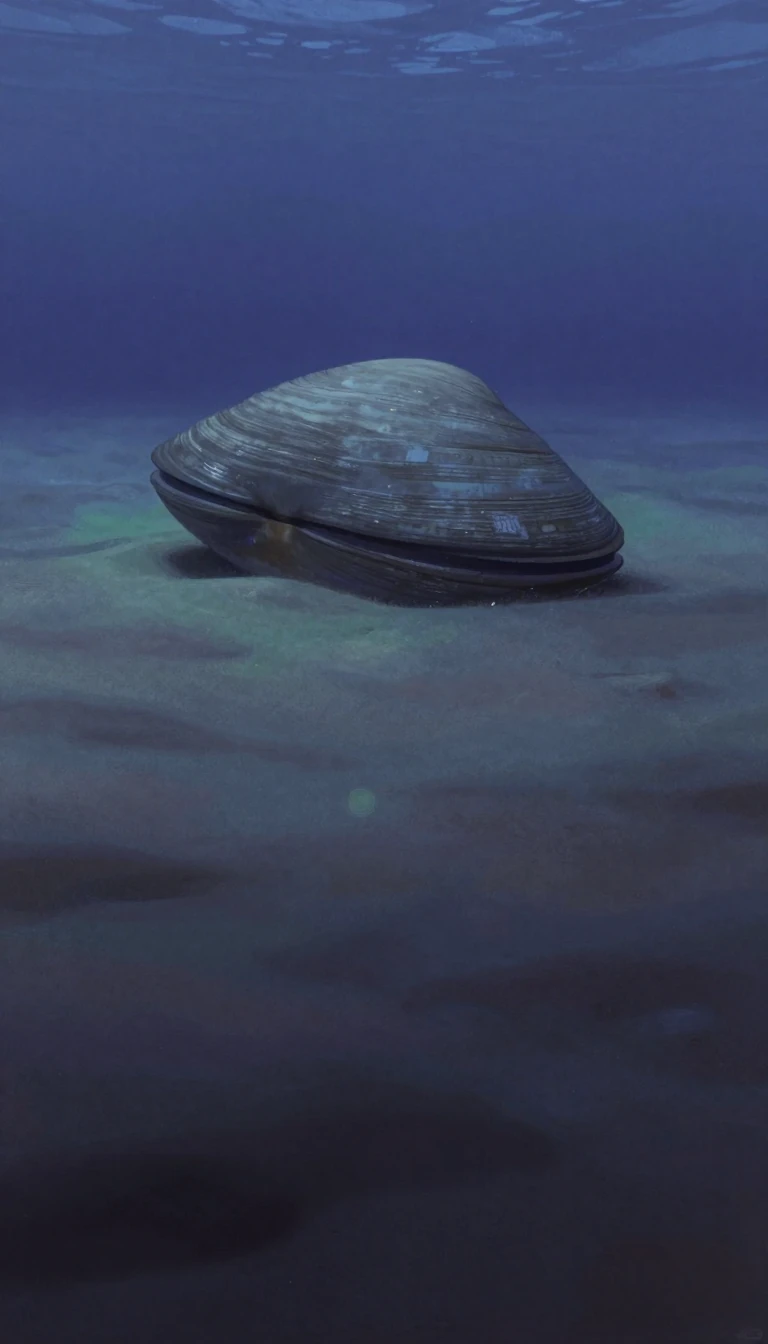
In short: The Lingulata are among the most enduring animals on Earth, appearing in the fossil record during the Cambrian period. Remarkably, these brachiopods have maintained their distinctive tongue-shaped morphology for over 500 million years, with modern specimens in Japan appearing nearly identical to their ancient ancestors found in deep geological strata.
The name Lingulata derives from the Latin word for tongue, a fitting description for their elongated, symmetrical shells. Unlike most shelled marine organisms that construct their homes from calcium carbonate, the Lingulata utilize a unique blend of calcium phosphate, protein, and chitin. These animals are classified as inarticulate brachiopods, meaning they lack the complex teeth-and-socket hinges found in other species. Instead, their valves are held together entirely by a sophisticated arrangement of muscles.
Living within vertical burrows in sandy or muddy seafloors, these creatures use a long, fleshy stalk known as a pedicle to anchor themselves. They position their anterior ends near the surface, where they use the cilia of their lophophore to drive respiratory and feeding currents through their mantle cavity. Their internal anatomy is equally specialized, featuring a complete, J-shaped digestive tract that has served them well across geological epochs.
While the genus Lingula, established by Bruguiere in 1797, is often cited as the oldest animal genus containing extant species, this status is subject to scientific debate. Some researchers, such as Christian C. Emig, have challenged the traditional living-fossil classification, arguing that the genus may not be as ancient as commonly believed. Regardless of the exact taxonomic age, the Lingulata remain a fascinating subject of study, particularly in the Indo-Pacific region, where they are still harvested for human consumption in places like Australia and Japan.
It is important to distinguish these marine brachiopods from other organisms sharing the descriptive name lingulata. For instance, the Guzmania lingulata, or scarlet star, is an epiphytic bromeliad found in the rainforests of Central and South America. While both share a name rooted in the Latin for tongue, one is a resilient marine survivor of the Cambrian explosion, while the other is a vibrant, star-shaped flowering plant.
Opens the Intellect+ feed with this card first. Swipe up for the next one.
Sources
- Summary by Intellect · source: Lingulata
- Also: Scarlet-star (Guzmania lingulata)
To cite this card, link to https://intellectplus.co.uk/app/nature-lingulata.
How we source, check and correct cards: Editorial standards.
General information, not professional advice. Spotted an error? Flag the card or see corrections and complaints.
Intellect Plus is a visual educational discovery platform for exploring fascinating facts and ideas. Brain Food, Not Brain Rot. What is Intellect Plus?
Related
More in Bilateria, others · More in Nature · Latest · A–Z · All topics
