The Lophotrochozoa clade reveals how diverse life forms share a hidden evolutionary lineage
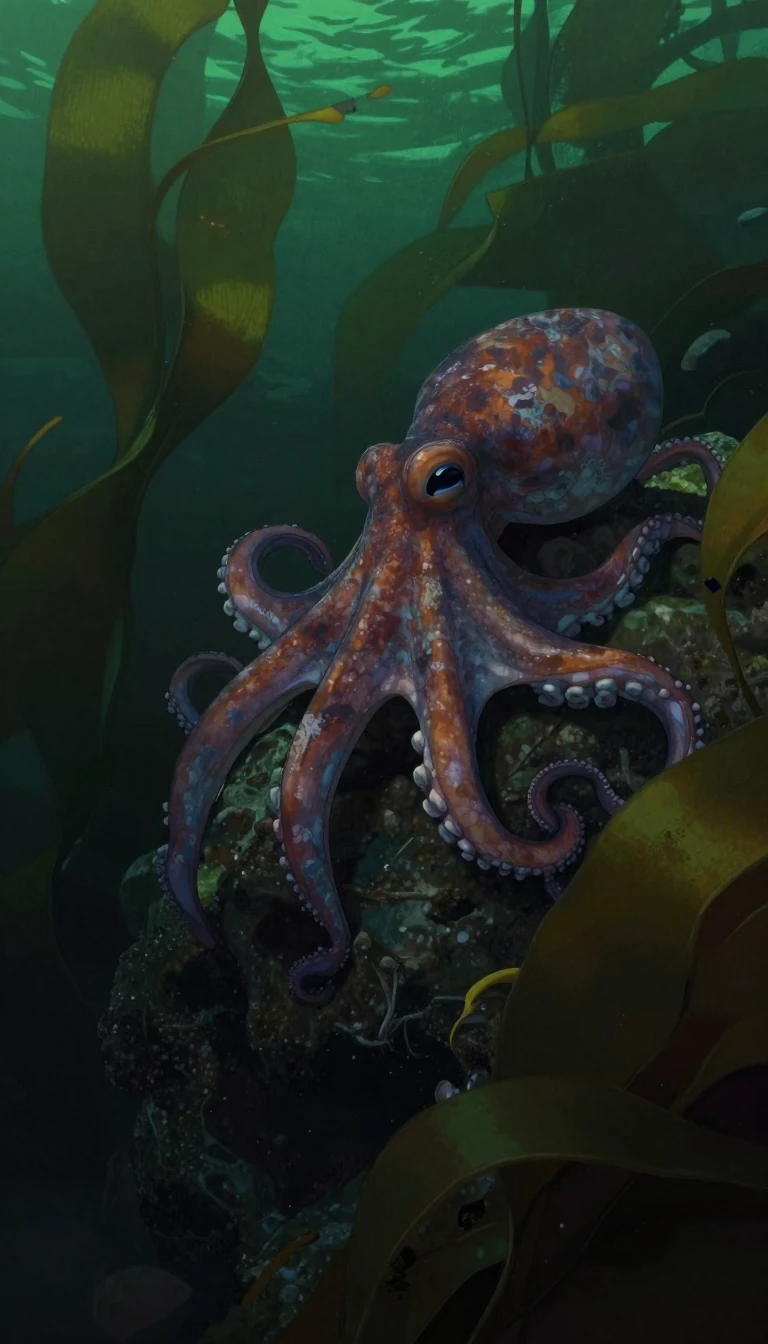
In short: What connects a humble mollusc to a complex bryozoan? The answer lies in the Lophotrochozoa, a massive group of animals defined not by their adult appearance, but by molecular evidence and shared developmental traits. This clade challenges our traditional understanding of how the animal kingdom is organized and interconnected.
Established in 1995, the Lophotrochozoa clade represents a major branch of protostome animals within the larger Spiralia group. Scientists define this taxon as the last common ancestor of three traditional lophophorate groups—brachiopods, bryozoans, and phoronid worms—alongside molluscs and annelids, including all their descendants. Because this is a node-based, cladistic definition, the exact membership of the group remains a subject of intense scientific debate, with some researchers suggesting the term may even be synonymous with the entire Spiralia lineage.
The name itself highlights two distinct biological features found across the group: the lophophore, a specialized feeding structure consisting of a ciliated crown of tentacles, and the trochophore larva, a specific developmental stage. However, these traits are not universal. While lophophorates like Brachiozoa and Bryozoa possess the feeding structure, and trochozoans like molluscs and annelids often exhibit the larval stage, the presence of these features varies significantly across different species. Some members may lack these characteristics entirely, complicating the classification process.
Phylogenetic hypotheses regarding the internal structure of the Lophotrochozoa are constantly shifting as new research emerges. Recent studies have challenged older models, suggesting that groups like Cycliophora, Entoprocta, and Bryozoa form a single clade called Polyzoa, which may branch off before other lophotrochozoans. Other analyses propose different splits, such as placing molluscs as the second branch, followed by annelids and nemerteans, and finally the phoronids and brachiopods. While fossil evidence exists, identifying early Lophotrochozoans remains difficult, and the precise affinity of Cambrian fossils is still heavily contested among experts.
Understanding the Lophotrochozoa is vital for mapping the tree of life. Whether the clade is viewed as a distinct group or as part of a broader evolutionary framework, it serves as a critical lens for examining how disparate body plans evolved from a shared ancestor. As molecular data continues to refine our view, the boundaries of this group will likely remain a dynamic and essential area of biological inquiry.
Opens the Intellect+ feed with this card first. Swipe up for the next one.
Sources
- Summary by Intellect · source: Lophotrochozoa
To cite this card, link to https://intellectplus.co.uk/app/nature-lophotrochozoa.
How we source, check and correct cards: Editorial standards.
General information, not professional advice. Spotted an error? Flag the card or see corrections and complaints.
Intellect Plus is a visual educational discovery platform for exploring fascinating facts and ideas. Brain Food, Not Brain Rot. What is Intellect Plus?
Related
More in Bilateria, others · More in Nature · Latest · A–Z · All topics
