 Intellect Plus
Cnidarians
17 cards. Each one is a 40-second story with a five-minute read behind it.
 Simple sea creatures may hold the secret to the first eyesHow did vision first emerge in the deep history of life? By studying cnidarians—the relatives of jellyfish—scientists are uncovering a complex genetic toolkit that suggests the bu…
 The stinging secret of nature's most primitive tissue-based animalsWhile they may look like stationary decorations or drifting jellies, cnidarians possess a sophisticated biological weaponry. These organisms are among the most primitive animals w…
 The ancient biological blueprint of stinging, radial symmetryCnidarians are among the most primitive animals to possess distinct tissues, yet they have mastered complex life histories and diverse forms. From the massive frameworks of tropic…
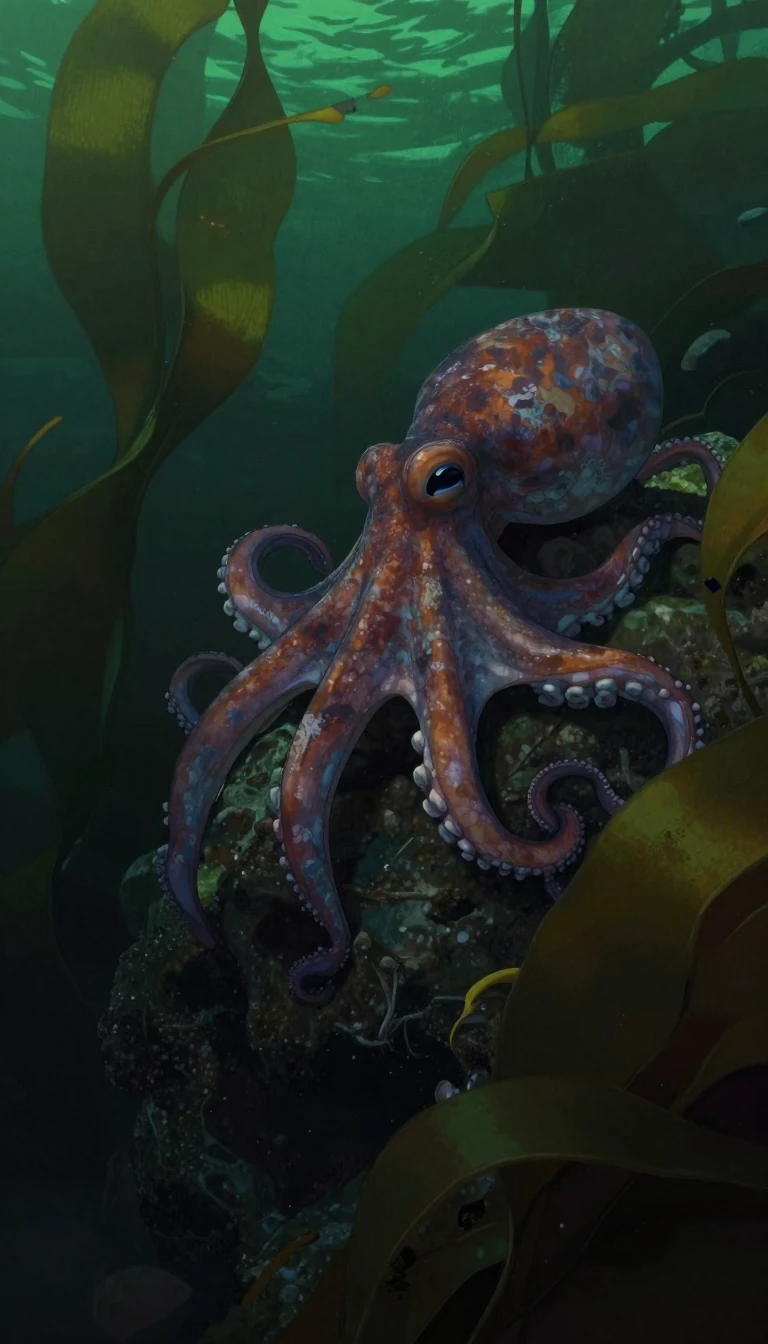 The tiny, armored architects of the ocean's hidden biodiversityThese tiny, stinging predators are master engineers of the seafloor. By constructing complex exoskeletons and forming symbiotic bonds, these organisms create foundational habitats…
 Soft corals are chemical factories producing life-saving compounds from the ocean floorLacking the rigid skeletons of their stony cousins, soft corals rely on chemical warfare to survive. These sessile invertebrates produce unique metabolites to deter predators and …
 Known as flower animals, these ancient marine predators build the world's most diverse ecosystems.Anthozoa, or flower animals, are a massive group of marine invertebrates including corals and sea anemones. Unlike their jellyfish relatives, these creatures spend their adult liv…
- The moon jellyfish genome reveals the ancient origins of our own complex nervous systemsThe moon jellyfish, Aurelia coerulea, is more than a translucent drifter. As a radially symmetrical cnidarian, it serves as a vital model for understanding how early animals devel…
 Despite their cerebral appearance, brain corals are ancient, slow-growing architects of the ocean floor.Brain corals are not sentient, yet these massive, long-lived colonies serve as the bedrock for entire reef ecosystems. By connecting their polyps in a unique, integrated network, …
- The Pacific sea nettle is a drifting predator with a golden, venomous armamentThe Pacific sea nettle, Chrysaora fuscescens, is a striking jellyfish known for its golden-brown bell and long, trailing tentacles. While its sting can be irritating to humans, th…
- Hydrozoa are tiny, predatory architects that build complex, interconnected living colonies in the sea.Most people mistake these invertebrate cnidarians for simple plants or seaweed. In reality, hydrozoans are sophisticated predators that function as a single, integrated organism. …
 The smallest animals on Earth are actually highly evolved, microscopic jellyfish relativesMyxozoans are aquatic parasites that have undergone a radical transformation. Once free-swimming jellyfish-like creatures, they evolved into microscopic organisms by shedding comp…
- The polyp is a master of survival, anchoring life across half a billion years.As one of two primary body forms in the phylum Cnidaria, the polyp is a sessile, cylindrical architect of the ocean floor. While often overshadowed by the free-swimming medusa, th…
 This fifty-meter long predator is actually a colony of thousands of specialized individualsPraya dubia is a deep-sea giant that rivals the blue whale in length, yet it is not a single animal. Instead, this fragile, broomstick-thin creature is a complex, cooperative colo…
- Why ancient civilizations believed this deep-sea creature was a powerful, protective talismanPrecious coral is more than just a vibrant jewelry material. For millennia, cultures from Rome to India have prized its deep red skeleton, attributing to it mystical, medicinal, a…
- True jellyfish are ancient, cup-shaped predators that have thrived since the Cambrian period.Known as Scyphozoa, these marine animals are not fish but complex invertebrates. They lack skeletons, brains, and organs, yet they dominate the world's oceans. By utilizing a gela…
 These glowing, quill-shaped colonies are actually sophisticated, multi-polyp organisms anchored in the deep sea.Named for their resemblance to antique writing instruments, sea pens are not single animals but complex colonies of specialized polyps. These cnidarians thrive in soft mud, using …
- Are these deep-sea predators a single animal or a complex, living colony?Siphonophores blur the line between individual and colony. These gelatinous predators are actually aggregates of specialized, genetically identical units called zooids. Each zooid…