The tiny, armored architects of the ocean's hidden biodiversity
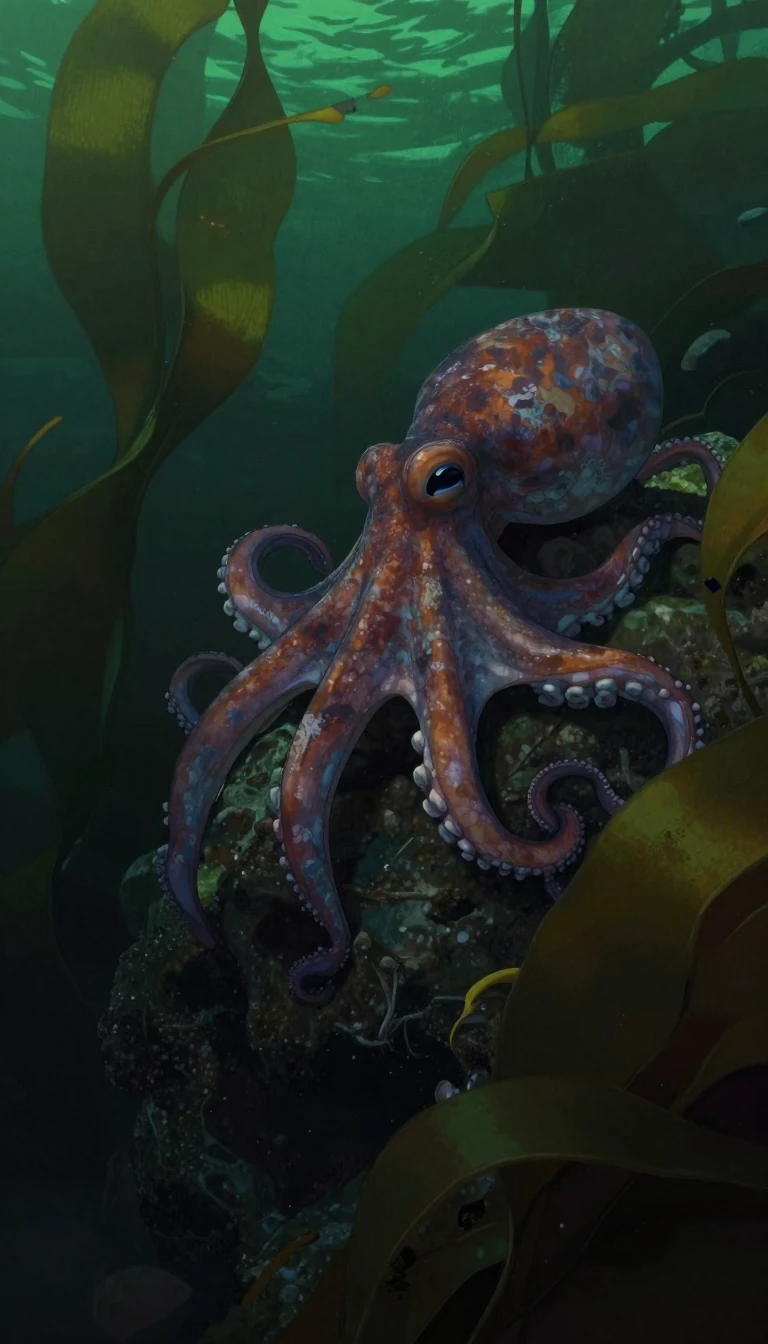
In short: These tiny, stinging predators are master engineers of the seafloor. By constructing complex exoskeletons and forming symbiotic bonds, these organisms create foundational habitats. They transition between sessile polyps and free-swimming medusae, ultimately increasing local species richness while serving as sensitive indicators of shifting marine temperatures and food availability.
Hydroidolina is a subclass of Hydrozoa that accounts for roughly 90% of the class. These small predatory animals, typically measuring between 8 and 30 millimeters, are characterized by radial symmetry and a diploblastic body plan consisting of two embryonic layers: the ectoderm and the endoderm. While they share the defining cnidocyte—a specialized stinging cell containing an explosive organelle called a cnidocyst—with all cnidarians, Hydroidolina are distinguished by their specific life cycles and structural complexities.
The life cycle of Hydroidolina is biphasic and complex. They transition between a planula larva, an asexual colonial sessile polyp, and a free-swimming sexual medusa. In many cases, the sexual stage may manifest as a gonophore that remains attached to the polyp rather than becoming a free-swimming medusa. These polyps are often benthic, meaning they live on the bottom, and they exhibit a preference for settling on hard substrates or the soft tissues of other organisms, such as fish, algae, crustaceans, and the mantle cavities of mollusks.
One of the most significant biological features of Hydroidolina is their exoskeleton. Produced from epidermal secretions, this structure can be bilayered (containing both an outer exosarc and inner perisarc) or corneous (perisarc only). These skeletons vary in chemical composition and rigidity, providing protection for the coenosarc. Beyond individual survival, these colonies act as foundational habitats. By colonizing diverse environments—from deepwater caves to brackish shallows—they provide niches for a wide variety of other species, effectively increasing the species richness and abundance of their surrounding ecosystems.
Because of their sensitivity to environmental shifts, Hydroidolina serve as valuable biological indicators. Researchers can monitor changes in temperature, food availability, and species distribution by observing the spatial and temporal settlement patterns of these colonies. They represent a sophisticated balance of individual predation, colonial cooperation, and environmental engineering.
Opens the Intellect+ feed with this card first. Swipe up for the next one.
Sources
- Summary by Intellect · source: Hydroidolina
To cite this card, link to https://intellectplus.co.uk/app/nature-hydroidolina.
How we source, check and correct cards: Editorial standards.
General information, not professional advice. Spotted an error? Flag the card or see corrections and complaints.
Intellect Plus is a visual educational discovery platform for exploring fascinating facts and ideas. Brain Food, Not Brain Rot. What is Intellect Plus?
Related
More in Cnidarians · More in Nature · Latest · A–Z · All topics
