The polyp is a master of survival, anchoring life across half a billion years.
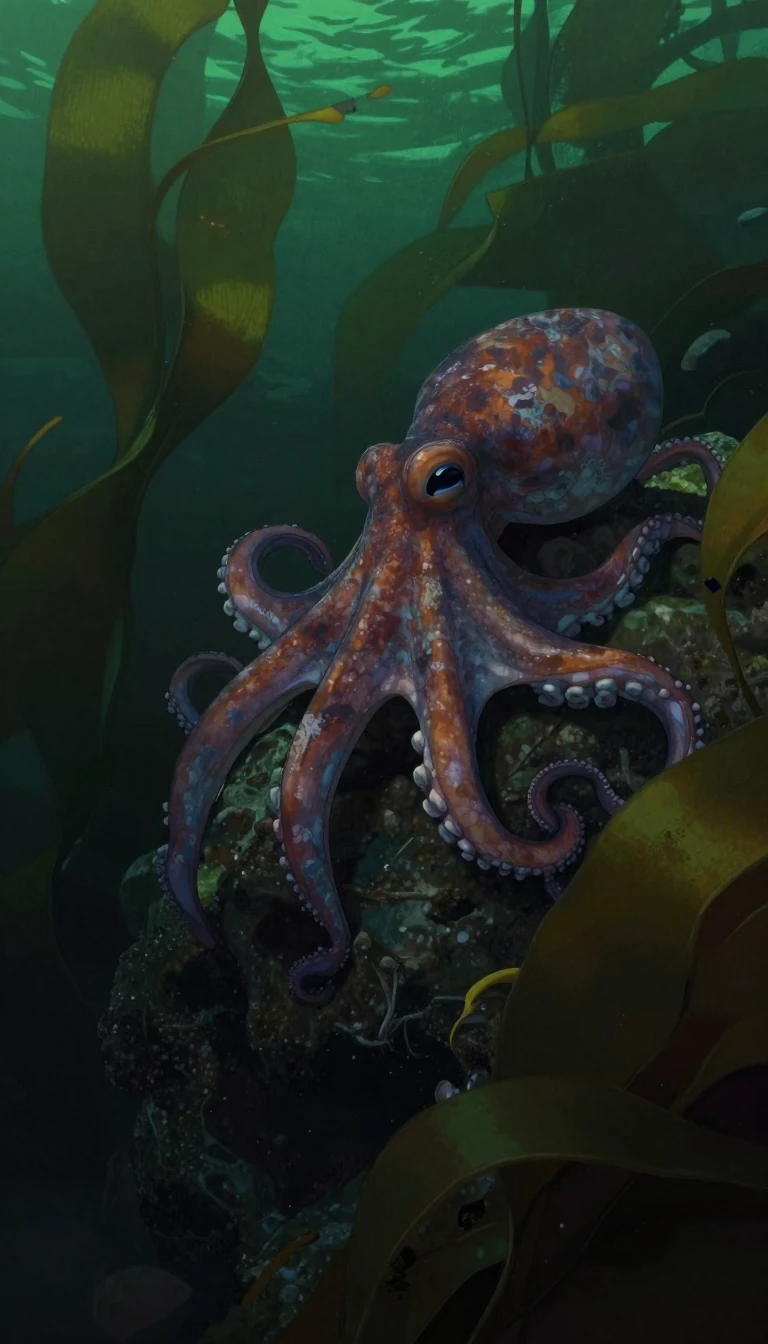
In short: As one of two primary body forms in the phylum Cnidaria, the polyp is a sessile, cylindrical architect of the ocean floor. While often overshadowed by the free-swimming medusa, this simple, ancient organism builds the massive reef structures that define our tropical seas and dominate benthic ecosystems worldwide.
The polyp represents a fundamental biological design, characterized by a sac-like body with a single opening—the mouth—surrounded by tentacles. These tentacles are equipped with specialized stinging cells called nematocysts, which allow the animal to paralyze and capture prey. Structurally, the polyp is composed of two cell layers separated by a gelatinous substance known as mesoglea. Unlike more complex animals, cnidarians lack organs and cephalization, yet they are the most primitive creatures to possess distinct tissues. This body plan has remained remarkably consistent for approximately 500 million years, as evidenced by the fossil record.
Cnidarians typically cycle between two forms: the polyp and the medusa. In many species, the polyp acts as a juvenile stage that reproduces asexually, while the medusa serves as the sexually mature adult. However, this relationship is not universal. Anthozoans, which include sea anemones and corals, exist exclusively as polyps throughout their entire life cycle. Conversely, in scyphozoans—the true jellyfish—the medusa is the dominant, conspicuous form. The versatility of the polyp is further demonstrated by its ability to form vast, long-lived colonies, such as those found in reef-building corals, or to exist as solitary individuals, like the sea anemones that carpet temperate rocky intertidal zones.
The ecological impact of these organisms is profound. By anchoring themselves to firm substrates, polyps sequester space and structure their environments, often persisting for centuries. In tropical regions, the calcareous skeletons of colonial polyps form the framework for reefs and atolls, such as the Great Barrier Reef, which stretches over 2,000 kilometres. Even after death, these structures continue to shape marine habitats. Whether as tiny, inconspicuous individuals or as massive, centuries-old colonies, polyps are essential to the health and complexity of marine communities, from the Antarctic seabed to deep-sea hot vents.
Opens the Intellect+ feed with this card first. Swipe up for the next one.
Sources
- Summary by Intellect · source: Polyp | Cnidarian, Coral & Sea Anemone | Britannica
- Also: Polyp (zoology)
To cite this card, link to https://intellectplus.co.uk/app/nature-polyp-zoology.
How we source, check and correct cards: Editorial standards.
General information, not professional advice. Spotted an error? Flag the card or see corrections and complaints.
Intellect Plus is a visual educational discovery platform for exploring fascinating facts and ideas. Brain Food, Not Brain Rot. What is Intellect Plus?
Related
More in Cnidarians · More in Nature · Latest · A–Z · All topics
