The evolution of fish that mastered the land
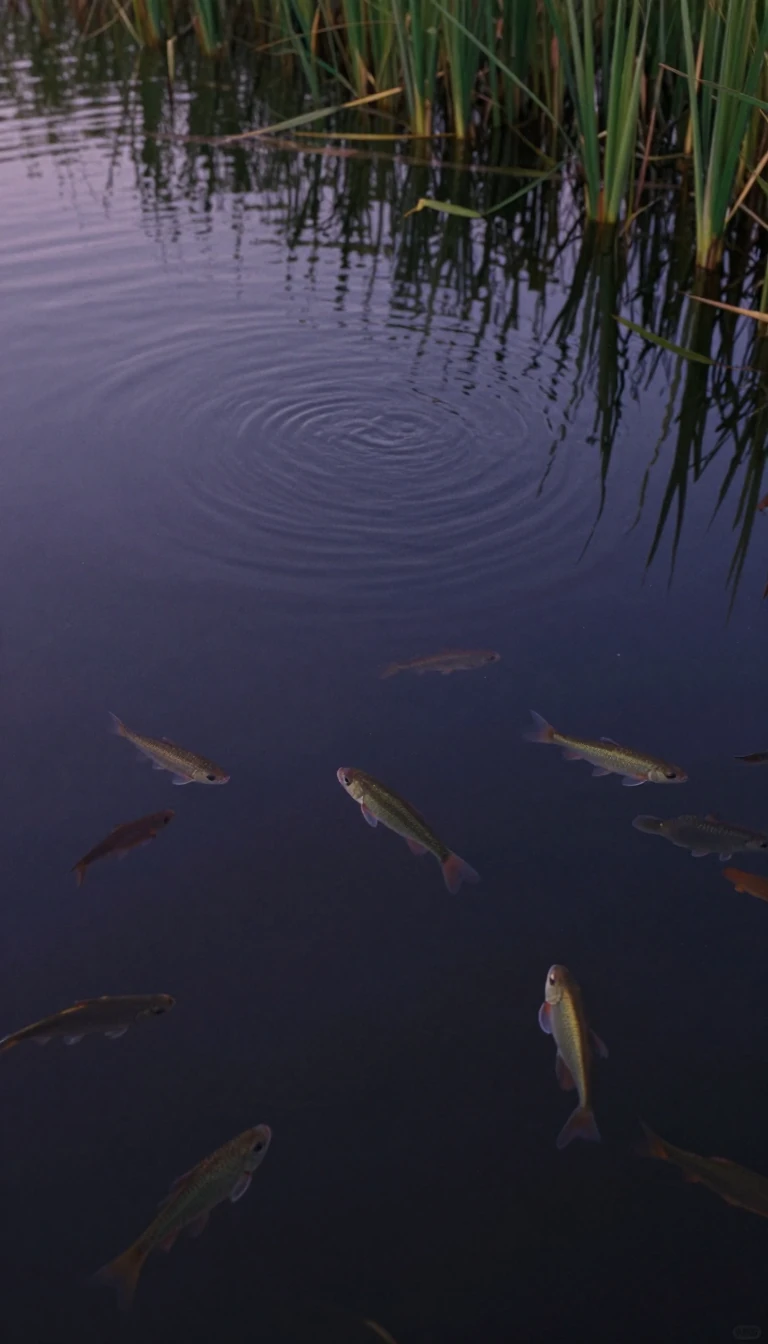
In short: While most fish are bound by the water's edge, some have broken free. From mudskippers that skip across swamps to lungfish that sleep in mud for years, these amphibious fish represent a masterclass in convergent evolution, independently developing the tools to survive on land.
Amphibious fish are not a single lineage but a diverse group of about 11 distantly related genera that have independently evolved the ability to leave water for extended periods. This phenomenon, known as convergent evolution, shows that different fish families have arrived at similar solutions for terrestrial life. These species utilize various locomotion methods, including lateral undulation, jumping with their tails, and tripod-like walking using a combination of pectoral, pelvic, and tail-fin movements.
The biological machinery for this transition varies wildly. Some ancient fish possessed lung-like organs that eventually evolved into modern swim bladders for buoyancy. However, modern amphibious fish often lack these organs entirely, instead breathing through their gills, skin, or specialized structures. For example, the bichir is one of 12 ray-finned fish species that still retain lungs, while the arapaima is an obligate air-breather that uses a modified swim-bladder. Other species, like the mudskipper, utilize cutaneous breathing—absorbing oxygen through wet skin and the lining of the mouth and throat.
The limits of these adaptations are remarkable. The mangrove killifish can survive on land for about two months, while mudskippers can endure for up to 3-1/2 days in humid environments. In extreme cases, six species of lungfish can bury themselves in mud to survive for up to two years during droughts. These evolutionary paths provide a window into the distant past, as some extinct 'lunged' fish were the direct ancestors of the stem tetrapods that eventually gave rise to all land-dwelling vertebrates, including mammals.
Opens the Intellect+ feed with this card first. Swipe up for the next one.
Sources
- Summary by Intellect · source: Amphibious fish
To cite this card, link to https://intellectplus.co.uk/app/nature-amphibious-fish.
How we source, check and correct cards: Editorial standards.
General information, not professional advice. Spotted an error? Flag the card or see corrections and complaints.
Intellect Plus is a visual educational discovery platform for exploring fascinating facts and ideas. Brain Food, Not Brain Rot. What is Intellect Plus?
Related
More in Fish · More in Nature · Latest · A–Z · All topics
