 Intellect Plus
Researched
23 cards. Each one is a 40-second story with a five-minute read behind it.
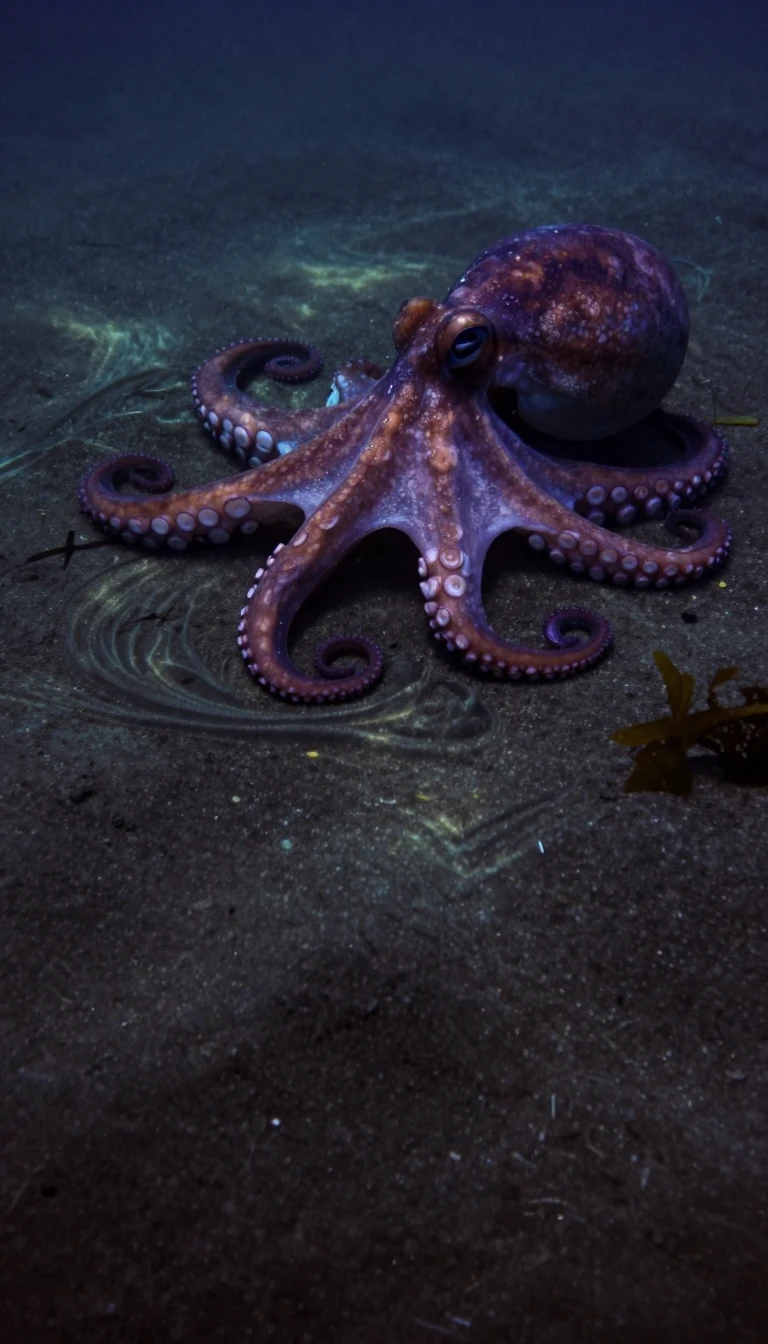 Sea turtles are slow to mature and few hatchlings survive to adulthoodA sea turtle hatchling faces brutal odds. Only about 1 in 1,000 to 10,000 hatchlings is expected to survive to reproduce. Threats begin before birth, when nest temperature decides…
 Marshes sit between land and sea, and they do far more than their flat look suggestsSalt marshes are tidal wetlands where dense, salt-tolerant plants trap and bind sediment. They feed coastal food webs, give young fish a safe nursery, and shelter birds. Their val…
 The ocean holds about 97% of Earth's water and supplies half its oxygenOceans cover roughly 70.8% of Earth's surface and contain about 97% of its water. They act as a huge heat reservoir for the climate, support most animal and protist life, and stil…
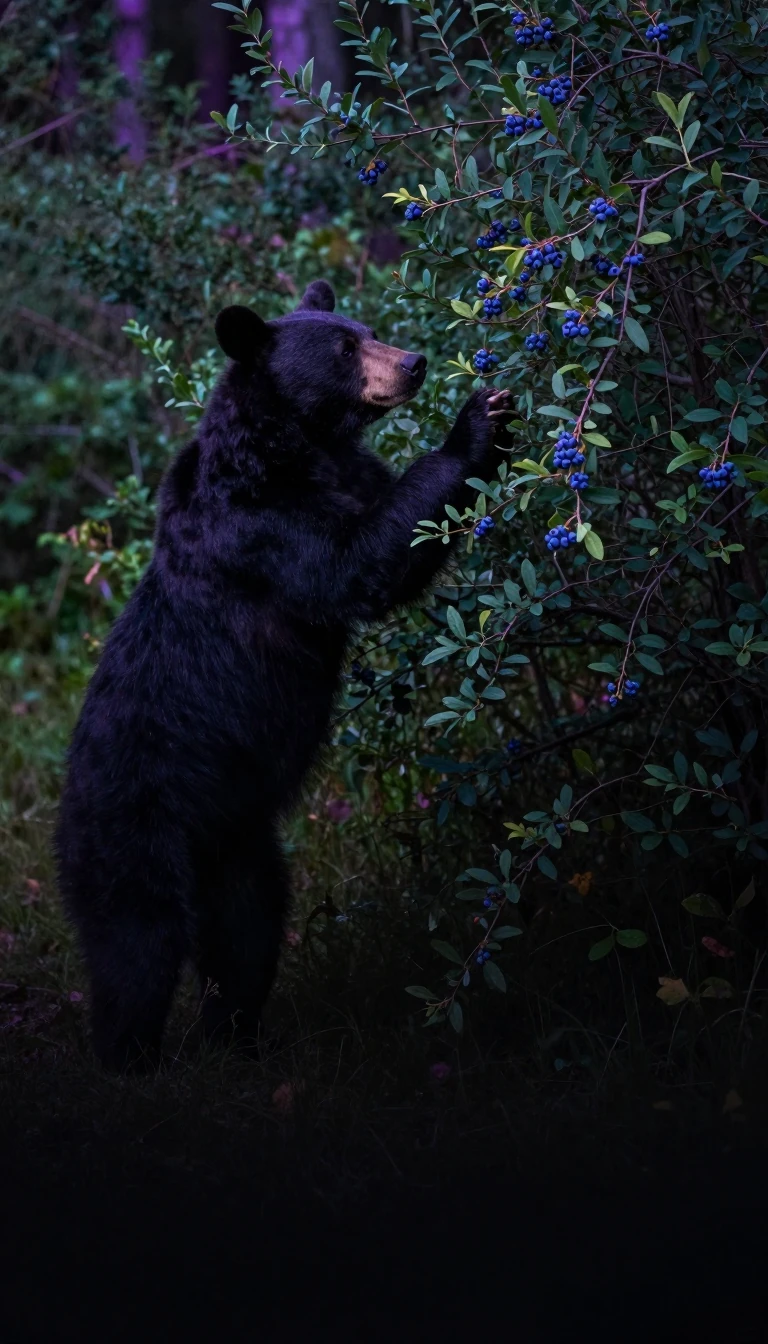 Bears can fast for months, and scientists still argue over what hibernation meansSome bears can go about seven and a half months without eating, drinking or passing waste. Researchers once doubted that bears hibernate at all, because body temperature alone did…
 Birds are living dinosaurs, descended from feathered theropods that survived extinctionBirds are not just pleasant to watch. They are the only living descendants of the dinosaurs, a lineage with more than 11,000 species. They also shape human life through food, feat…
 Rusty crayfish can take over waters by out-competing native species and wrecking plant coverA crayfish from North America has spread through lakes and streams far beyond its home range. Its impact depends on how abundant it becomes, and the damage it does can ripple thro…
 Venus flytraps are declining in the wild, mainly from habitat loss and poachingThe Venus flytrap is the most famous carnivorous plant, yet its wild population is falling fast. It grows in a tiny corner of the Carolinas, and draining, fire suppression, develo…
 Bees pollinate many crops and wildflowers, so their decline matters widelyOne estimate holds that about 60 crop species would struggle to set fruit without bees. Bees also support wildflowers and forest and tropical plants. Their numbers are falling, an…
 Birds migrate mainly because the days are shortening, not because food runs outHummingbirds set off south at the very time food is most plentiful. Their urge to leave is set off by shorter daylight in autumn, not by cold or hunger. Young birds with no memory…
 Rainforests help regulate rainfall far beyond their own bordersRainforests do far more than shelter wildlife. They recycle moisture into the air, anchor soil against erosion and store carbon, and their influence on rainfall can reach farmers …
 Deserts are defined by lack of water, not by heat or sandMost people picture deserts as hot and sandy, but the real defining feature is a shortage of moisture. Deserts form where evaporation outpaces rainfall, which can happen in scorch…
 Sugar gliders steer by reshaping a membrane stretched between their limbsA sugar glider is a small Australian possum that can cover 50 metres or more in a single glide without flapping. It spreads a membrane between its limbs and adjusts that membrane,…
 Salmon journey home upstream, and warm water can stop the trip entirelySalmon hatch in freshwater, spend most of their adult lives feeding in the Pacific Ocean, then travel back to the streams of their birth. That homeward climb is remarkable, and it…
 Some rivers stop flowing every year, and many once-permanent rivers now do tooNot every river flows all year. Intermittent rivers stop flowing at least once a year, or at least twice in five years, and they drain roughly a third of Earth's land surface. Man…
 Two bandicoot species were hiding in museum drawers until a ten-year studyTwo bandicoot species had sat unnoticed in museum collections for generations. A ten-year study of old specimens recognised one living species and one that is likely extinct, and …
 Some migrating birds learn their route from older companions, not instinct aloneMany migrating birds are not simply following an inborn map. Research on reintroduced cranes shows that young birds adjust their timing better when they travel with older birds, a…
 Mosses cover an area about the size of China and quietly enrich soilMosses are easy to overlook, yet a recent global study found they cover roughly 9.4 million square kilometers, about the size of China. Under them, soil tends to hold more carbon,…
- Every river starts as a trickle of water finding its way downhillThe Amazon carries about one-fifth of Earth's freshwater discharge, yet every river, however vast, begins the same way: small flows of water from rain, snowmelt or springs slowly …
 Mushrooms grow from spores or mycelium, deriving all their energy from their growing mediumMushrooms are not plants and do not photosynthesise. They draw all their energy and building materials from the medium they grow in, and they reproduce through spores rather than …
 Desertification is rarely just a story of dry weather; people's land use often matters mostDesertification is the gradual turning of fertile land into arid desert. Its immediate cause is the loss of vegetation, which can come from drought, farming, overgrazing or cuttin…
 Forest elephants have lost most of their population in under three decadesForest elephants of Central Africa have declined so sharply that the IUCN now rates them Critically Endangered. Poaching for ivory is the main driver, and the reasons go beyond a …
 Some deserts form because mountains block the rain, not because of heatDeserts are not all hot sand. Some form because mountains wring the moisture out of passing air, leaving the land behind them dry. Others sit deep inside continents, where no mois…
 Wolves have never been filmed killing a beaver, yet researchers can still map how they huntDespite thousands of hours of wolf observation, no one has ever watched a wolf kill a beaver. Researchers instead read the physical evidence left at kill sites and how wolves move…