Sea turtles are slow to mature and few hatchlings survive to adulthood
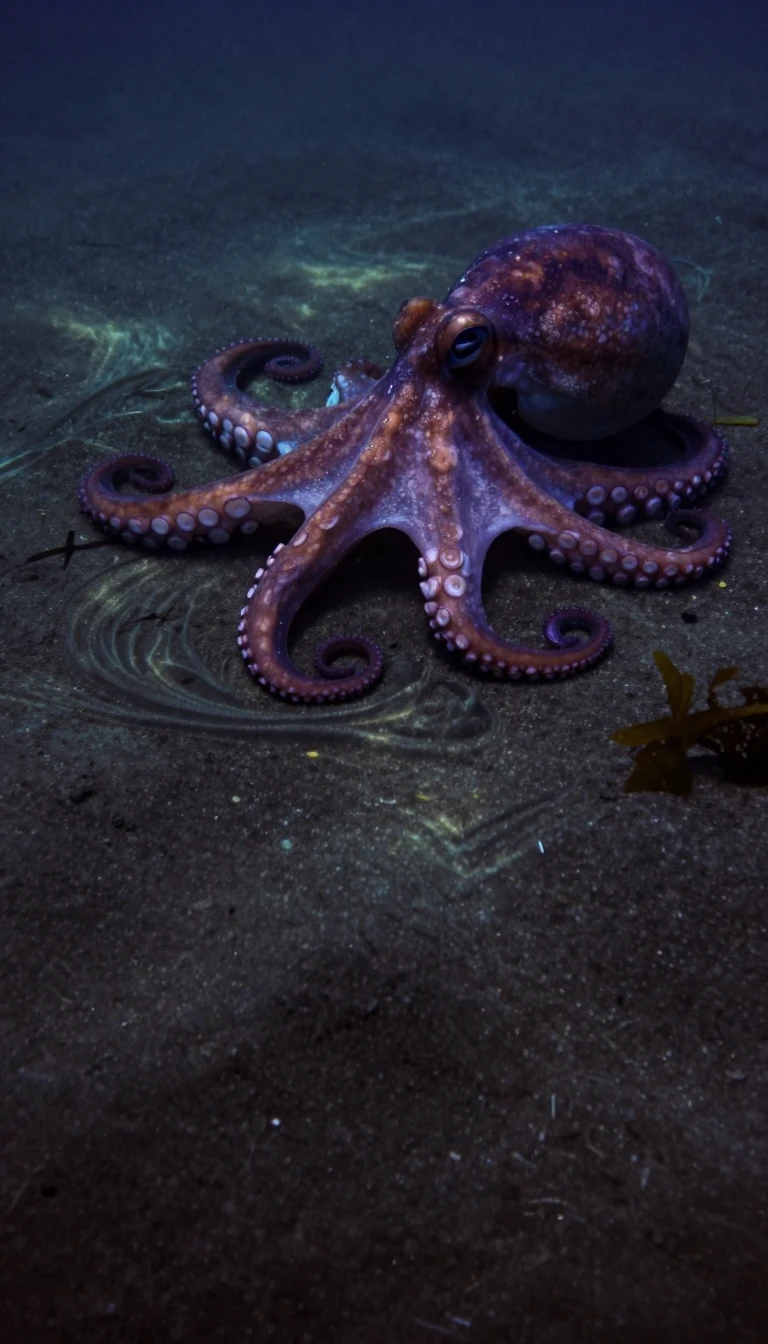
In short: A sea turtle hatchling faces brutal odds. Only about 1 in 1,000 to 10,000 hatchlings is expected to survive to reproduce. Threats begin before birth, when nest temperature decides whether an egg becomes male or female, and continue through pollution, fishing, beach lighting and development.
Sea turtles are slow to grow up. Female sea turtles mature at about 25 to 30 years, so any loss of adults takes a very long time to make up. Their survival in the early years is also precarious, because only a tiny share of hatchlings lives long enough to breed. Researchers also note that most males and juveniles never return to shore once they reach the ocean, which makes populations extremely hard to count.
Threats start in the nest. Sex in sea turtles is set by the temperature of the sand: below 88 degrees Fahrenheit hatchlings are mostly male, and above 88 they are mostly female. Rising global temperatures are producing a disproportionate number of female hatchlings, and flooding of beaches can also skew the balance between males and females. Eggs near the top of a clutch warm faster in the sun, so the position of each egg matters as well.
After hatching, the young face artificial lights that confuse them, since they normally head for the brightest horizon, which on natural beaches is the reflection of celestial light over the water. Garbage on beaches draws predators such as raccoons, foxes, seagulls and ants, which destroy eggs and prey on hatchlings. In the water, litter such as fishing line and plastic bags is often mistaken for food, and entanglement in marine debris is a further danger.
Adults face the largest human-made pressures. Fisheries bycatch, habitat loss, oil spills, beach armouring and illegal harvesting all contribute. All seven species are listed as endangered or threatened under the US Endangered Species Act. Conservation work focuses on protecting nesting beaches, reducing light pollution, removing litter, and using turtle excluder devices in trawl nets, which let larger animals escape.
Opens the Intellect+ feed with this card first. Swipe up for the next one.
Sources
- Summary by Intellect · source: The Head and Neck Anatomy of Sea Turtles (Cryptodira: Chelonioidea) and Skull Shape in Testudines | PLOS One
- Also: The Head and Neck Anatomy of Sea Turtles (Cryptodira: Chelonioidea) and Skull Shape in Testudines
- Also: Sea Turtles | Defenders of Wildlife
- Also: Sea Turtle Species — The State of the World's Sea Turtles | SWOT
To cite this card, link to https://intellectplus.co.uk/app/nature-why-are-sea-turtles-endangered.
How we source, check and correct cards: Editorial standards.
General information, not professional advice. Spotted an error? Flag the card or see corrections and complaints.
Intellect Plus is a visual educational discovery platform for exploring fascinating facts and ideas. Brain Food, Not Brain Rot. What is Intellect Plus?
Related
More in Researched · More in Nature · Latest · A–Z · All topics
