Bears can fast for months, and scientists still argue over what hibernation means
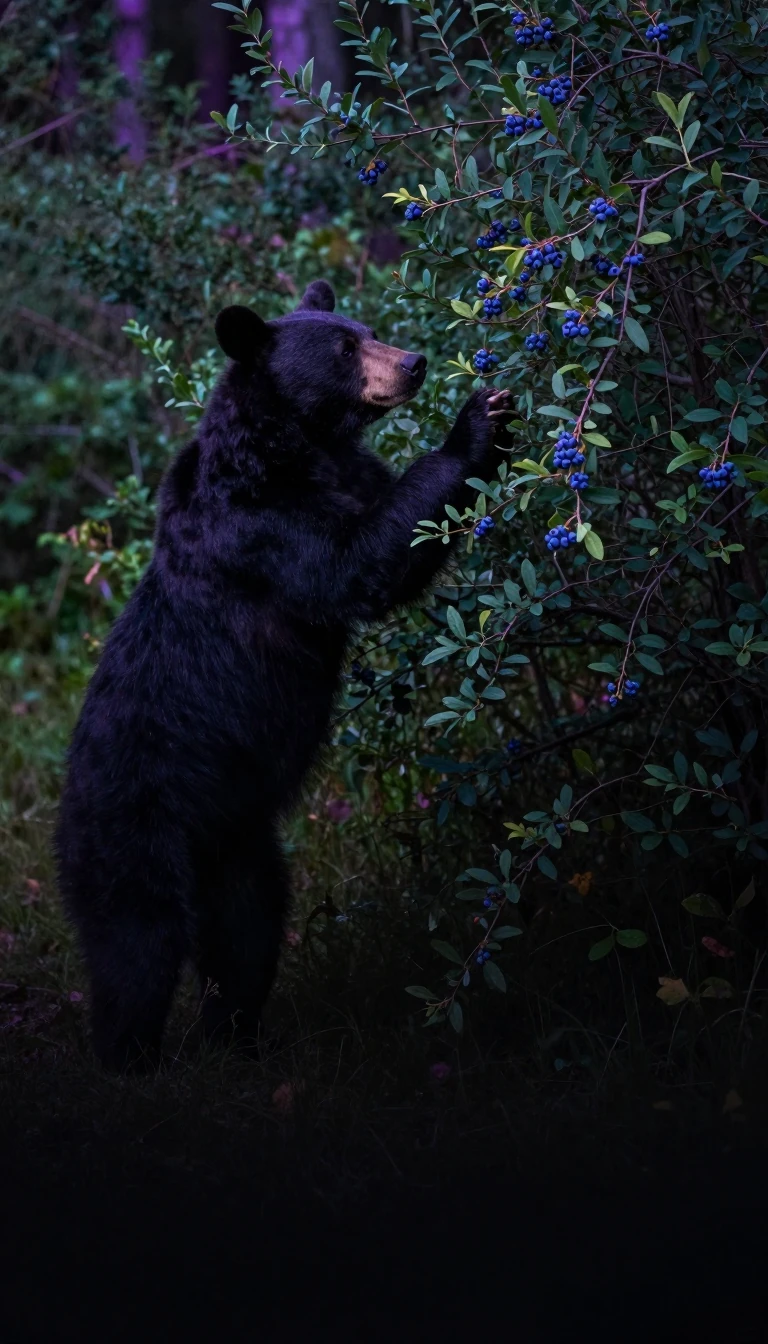
In short: Some bears can go about seven and a half months without eating, drinking or passing waste. Researchers once doubted that bears hibernate at all, because body temperature alone did not fit. Their fuller definition centres on a seasonal drop in metabolism, and the details of how bears protect their muscles and reproduction through that long rest are still being studied.
Hibernation was first judged mainly by body temperature, and by that test bears did not count. When biologists uncovered a range of metabolic adjustments that allow black and grizzly bears to survive long fasts, they widened the definition to a specialised, seasonal slowdown of metabolism that occurs when food is scarce and the weather is cold. Under that wider view, black bears are described as highly efficient hibernators. Small hibernators such as chipmunks follow a different pattern, cooling to near freezing and waking every few days to eat and clear their bodies before cooling again.
Bears protect their bodies during the fast in several ways. They draw on protein sources other than skeletal muscle, such as connective tissue, slow the rate at which protein is broken down, and reuse nearly all of their urea nitrogen. As a result, black bears lose only about 23 percent of the strength in one leg muscle over a winter of food deprivation and inactivity, while humans in a comparable scenario were predicted to lose about 90 percent. These protections are not seen when bears fast in summer.
Hibernation also varies within a species. In polar bears, pregnant females den from about November to March to give birth and nurse, while males and non-pregnant females stay active, though their hunting success falls. Polar bears show muscle loss in both winter and summer, and the summer loss, linked to retreating sea ice, may affect fitness. Researchers also note that the long dormancy may bear on reproduction: one study of captive grizzly bears that hibernate for roughly a third of the year found that males passed on about five times as many mutations as females. That result does not fit the simple idea that slowed cell division during hibernation explains the difference.
Even the name is contested. Bears have been called hibernators, torpid, in winter sleep, dormant or lethargic, and which word fits depends on how hibernation is defined, on the region and on how fat the bear is. The debate shows that a familiar animal behaviour can still hide open questions about how the body manages a long fast.
Opens the Intellect+ feed with this card first. Swipe up for the next one.
Sources
- Summary by Intellect · source: Polar bears experience skeletal muscle atrophy in response to food deprivation and reduced activity in winter and summer
- Also: Examining the Effects of Hibernation on Germline Mutation Rates in Grizzly Bears
- Also: Do Black Bears Hibernate? - North American Bear Center
To cite this card, link to https://intellectplus.co.uk/app/nature-why-do-bears-hibernate.
How we source, check and correct cards: Editorial standards.
General information, not professional advice. Spotted an error? Flag the card or see corrections and complaints.
Intellect Plus is a visual educational discovery platform for exploring fascinating facts and ideas. Brain Food, Not Brain Rot. What is Intellect Plus?
Related
More in Researched · More in Nature · Latest · A–Z · All topics
