 Intellect Plus
Countries and other regions
2,383 cards. Each one is a 40-second story with a five-minute read behind it. Page 32 of 40.
 Beyond the Bratwurst: The vast, regulated world of German culinary traditionGermany is home to the world's greatest bread diversity, with 3,000 varieties produced in 13,000 bakeries. But the nation's food identity is much more than just hearty staples; it…
 The remote Pacific atoll where time literally ends for the entire planetHowland Island is a tiny, uninhabited coral speck in the central Pacific, famously linked to the disappearance of Amelia Earhart. Beyond its tragic history, this U.S. territory oc…
 How a minor German dynasty became the architects of modern European royaltyFrom a modest castle in Germany to the thrones of the United Kingdom and Norway, the House of Oldenburg has shaped European history for nearly a millennium. By strategically marry…
 How Hungary became the merriest barrack in the socialist camp during the Cold WarFor four decades, Hungary operated as a Soviet-aligned communist state, marked by brutal purges and a failed revolution. Yet, following the crushing of the 1956 uprising, the nati…
 How Canada's House of Commons balances regional representation and population growthThe House of Commons of Canada is the engine of the nation's democracy, where 343 elected members shape legislation and hold the government to account. While seats are distributed…
 Ancient Somali city-states dominated global trade routes long before the modern era.Long before colonial borders, the Somali peninsula was a thriving hub of international commerce. From the legendary Land of Punt to the powerful medieval Sultanates of Mogadishu a…
 How Hu Jintao steered China from rapid growth to a global superpowerAs China's paramount leader from 2002 to 2012, Hu Jintao oversaw a decade of unprecedented economic expansion. By prioritizing state-owned enterprises and technocratic governance,…
 Why the natural ratio of male to female births is rarely exactly one to oneWhile evolutionary theory suggests a balanced sex ratio is the stable norm, human birth statistics consistently deviate from parity. From environmental stressors and parental age …
 Why the humid continental climate is defined by trees and seasonal temperature swingsDefined by Wladimir Köppen in 1900, the humid continental climate is a region of four distinct seasons and significant temperature shifts. It is characterized by warm summers and …
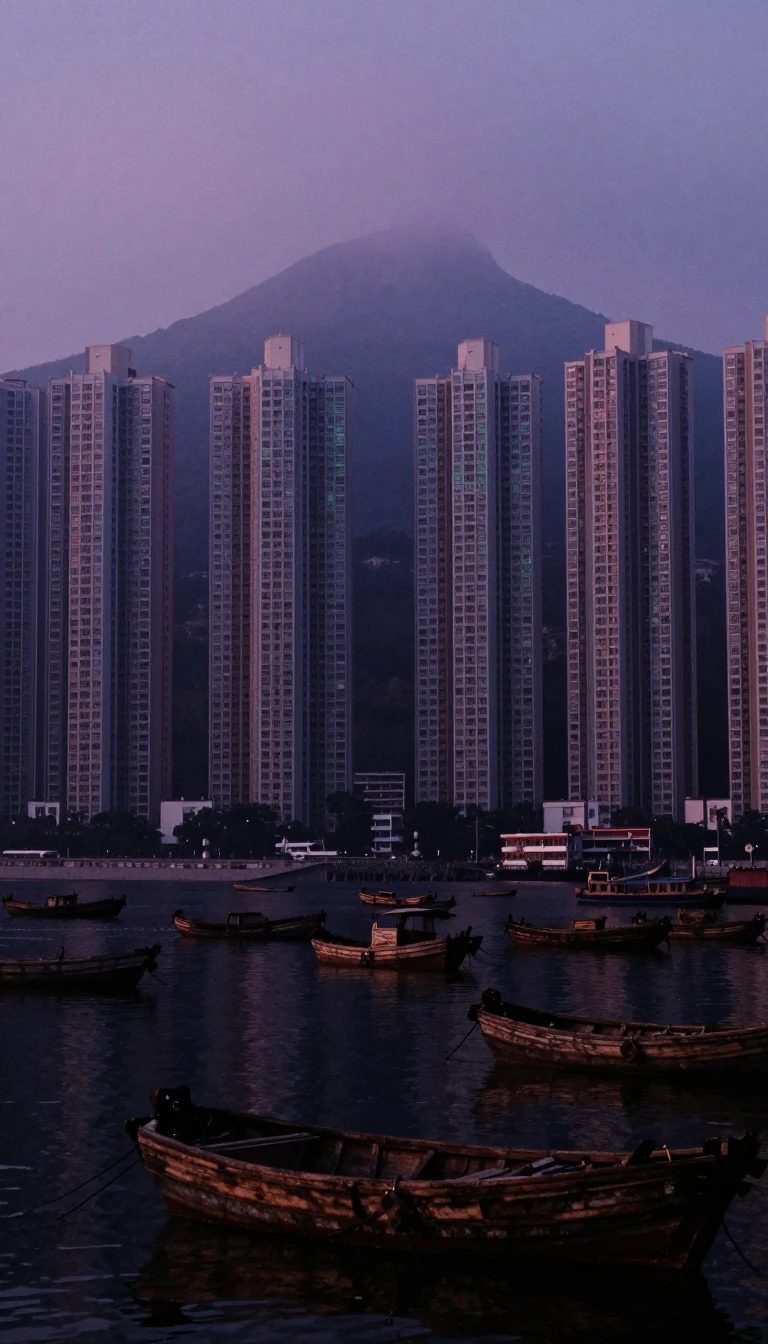 How a century of British rule in Hong Kong concluded at the stroke of midnightOn 1 July 1997, the United Kingdom transferred control of Hong Kong to the People's Republic of China, ending 156 years of colonial administration. This historic handover, which f…
- How a wounded war veteran became Britain's most pragmatic and unflappable post-war leaderHarold Macmillan rose from the trenches of the First World War to lead the United Kingdom during an era of unprecedented prosperity. Known as Supermac, he navigated the complexiti…
 Hispanic America is defined by more than just a shared language and colonial history.While often grouped as a monolith, Hispanic America is a complex tapestry of indigenous roots, African influence, and European heritage. From the rigid colonial hierarchies of the…
 The ancient roots of Romania: From the formidable Dacian kingdom to Roman provinceLong before modern borders, the territory of Romania was a regional power center. Home to the Dacians, a people who believed in their own immortality, the land became a prize for …
 How the sixth Harry Potter film achieved its distinctively dark and moody visual aestheticDirector David Yates and cinematographer Bruno Delbonnel transformed the visual language of the Harry Potter series for the 2009 installment. By embracing a grey, atmospheric pale…
 Who are the Hazaras, the ancient and often persecuted people of central Afghanistan?The Hazaras are a principal ethnic group in Afghanistan, primarily inhabiting the central Hazarajat region. Their origins remain a subject of intense historical and genetic debate…
 How a Cold War transit hub reinvented itself after losing its shortcut to AsiaHelsinki Airport was once the premier bridge between Europe and Asia, leveraging its northern geography to offer the fastest routes. When Russian airspace closed in 2022, that str…
 How Muammar Gaddafi transformed Libya from a monarchy into a self-styled state of massesIn 1969, a bloodless coup led by Muammar Gaddafi dismantled the Libyan monarchy. Over the next four decades, he reshaped the nation through radical social experiments, oil-funded …
 How Paraguay defied the global trend of losing indigenous languages to colonial tonguesWhile most indigenous languages in the Western Hemisphere have faded in favor of European ones, Guarani remains a vibrant, widely spoken language in Paraguay. It is not just a rel…
 How a tiny patch of Cuba became the oldest overseas American naval baseGuantanamo Bay Naval Base is a unique anomaly in international relations. Occupying 45 square miles of Cuban territory, this U.S. military installation has existed since 1903 unde…
 Was Japan’s pan-Asian union a genuine liberation movement or a facade for imperial expansion?The Greater East Asia Co-Prosperity Sphere promised an end to Western colonialism, uniting Asian nations under Japanese leadership. While marketed as a path to regional self-suffi…
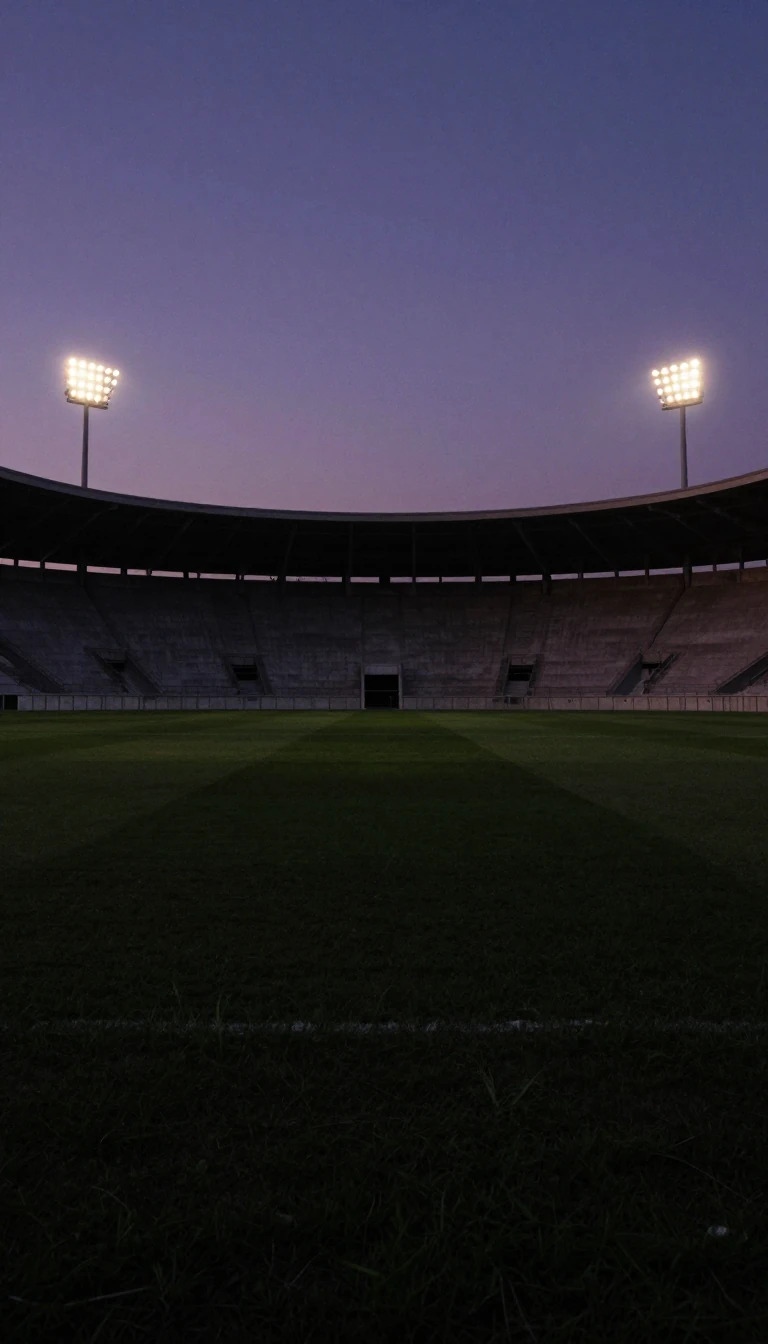 How a tiny Wisconsin town became the home of an NFL dynastyThe Green Bay Packers are an anomaly in modern sports. As the only non-profit, community-owned franchise in the major American leagues, they thrive in the smallest market in North…
 Is Hadhramaut the court of death or a lush green oasis?The name of this ancient Arabian region is shrouded in mystery. Some traditions translate it as a grim warning of mortality, while scholars suggest it describes the fertile, well-…
 How a film about space debris became a technical marvel of modern cinemaGravity, the 2013 thriller directed by Alfonso Cuarón, transformed the depiction of space on screen. By utilizing groundbreaking technology like a custom LED-lit rig, the producti…
 The Grumman Hellcat was the Pacific War's most lethal and rugged carrier-based fighter.Designed to outmatch the Japanese Mitsubishi A6M Zero, the F6F Hellcat became the U.S. Navy's primary ace-maker. With a staggering 19:1 kill-to-loss ratio, this rugged aircraft wa…
- The enduring legacy of the Guarani people, from Jesuit missions to modern national identityThe Guarani people, an indigenous group of South America, have shaped the history and culture of Paraguay and beyond for centuries. Once numbering 400,000, they navigated coloniza…
 Why the world spent centuries obsessed with gold as a foundation for moneyFor most of human history, silver was the true backbone of daily commerce. Gold was a rare, high-value outlier, often too cumbersome for local trade. Yet, through a series of acci…
 Beyond the board: how chess terminology reveals the game's hidden history and mechanicsChess is more than just moving pieces; it is a language of strategy, etiquette, and historical deception. From the mysterious automatons of the 18th century to the modern Basque s…
 Goguryeo: The Ancient Korean Kingdom That Once Dominated Northeast AsiaSpanning from 37 BC to 668 AD, Goguryeo was a formidable power that shaped the Korean peninsula and Manchuria. Beyond its military might and vast territorial reach, this kingdom l…
 How a West African colony became the world's leading cocoa exporter under British ruleThe British Gold Coast colony was built on gold, but it was cocoa that transformed its economy. By the late 1940s, this West African territory supplied over half of the world's co…
- How a rejected script about a janitor became a Hollywood legendBefore it won two Academy Awards and grossed over $225 million, Good Will Hunting was a struggling project written by two unknown actors. Faced with studio rejection and creative …
 Google's quest to digitize every book on Earth faces a massive metadata crisis.Since 2002, Google has scanned over 40 million books to build the world's largest digital library. While the project promises to democratize human knowledge, it is plagued by ramp…
 How does the world's largest democracy manage its complex, multi-layered federal government?India operates as a parliamentary republic with a unique quasi-federal structure. While it balances power between a central Union Government and 36 subnational entities, its gover…
 Pakistan's government balances a ceremonial presidency with a powerful, elected prime ministerial executive branch.Pakistan operates under a Westminster-style parliamentary system where executive authority is vested in the prime minister, not the president. While the president serves as a cere…
- How a German colonial empire in the Pacific was built on trade and ambitionGerman New Guinea was a sprawling, short-lived colonial project that emerged from private trading interests rather than state enthusiasm. Spanning from the Bismarck Archipelago to…
- What does it actually mean to be German in a world of shifting borders?German identity is a complex tapestry woven from centuries of political fragmentation, linguistic roots, and a profound, often painful, historical reckoning. While today it is anc…
 How Ridley Scott finally resurrected the Roman epic after two decades of development hellAfter the 2000 original, a sequel seemed impossible. Writers proposed wild ideas, including a time-traveling Maximus fighting in the Vietnam War. It took over twenty years, a shif…
- Can a single index truly capture the complex, global pulse of human innovation?The Global Innovation Index ranks nations by their capacity for progress, influencing policy from Geneva to Lagos. Yet, critics argue its aggregated metrics—ranging from electrici…
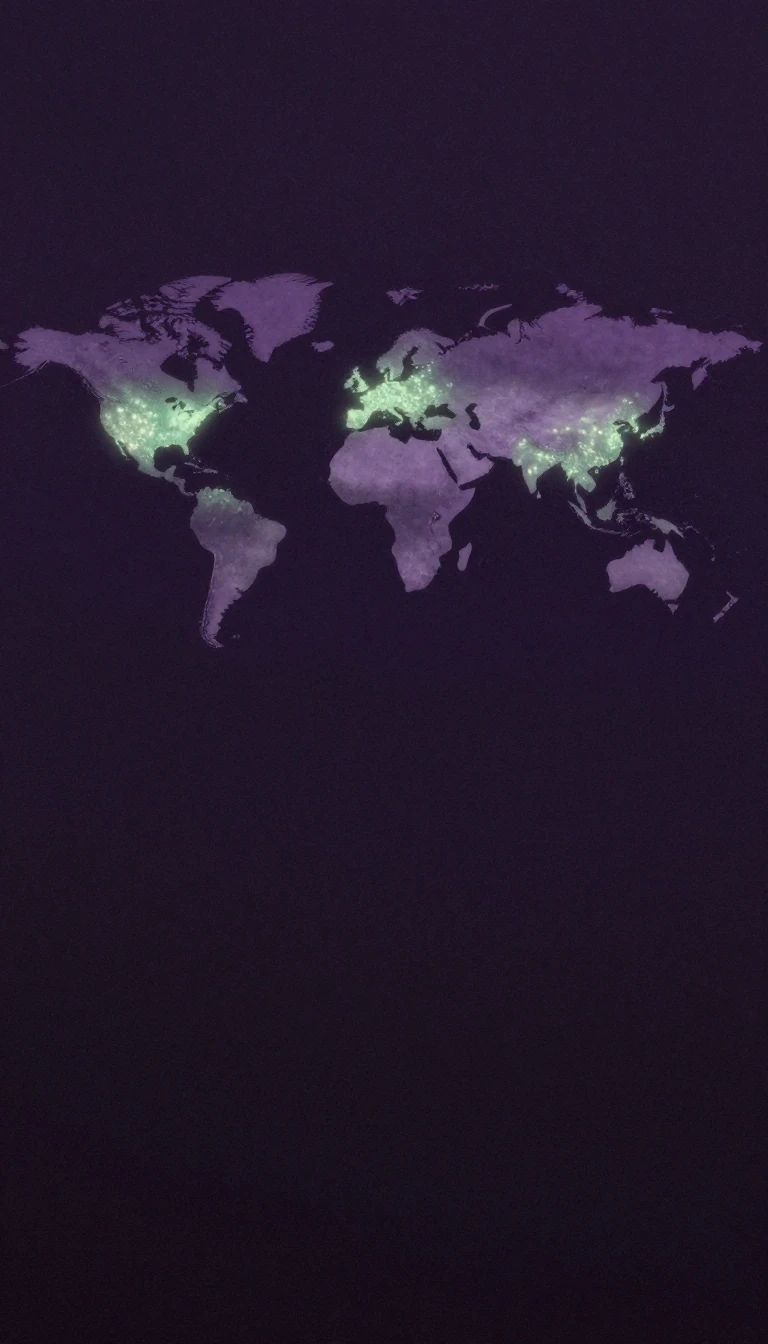 Is the Global Peace Index actually measuring peace or just the absence of war?The Global Peace Index is the world's leading metric for national peacefulness, yet critics argue it fundamentally misinterprets the concept. By focusing on the absence of violenc…
 How a single number captures the complex reality of a nation's economic inequalityThe Gini coefficient is the primary tool economists use to measure how wealth or income is distributed across a population. Ranging from zero to one, it reveals the gap between pe…
- Who were the Frisians, and why did their name vanish for three hundred years?The Frisians are an indigenous group from the North Sea coast, yet their history is defined by a mysterious three-century silence. After Roman records of the Frisii ceased in the …
- The G7 is a powerful global forum that technically does not exist at all.Born from a casual 1973 meeting in a White House library, the G7 has no treaty, no permanent office, and no official secretariat. Yet, this informal club of advanced economies sha…
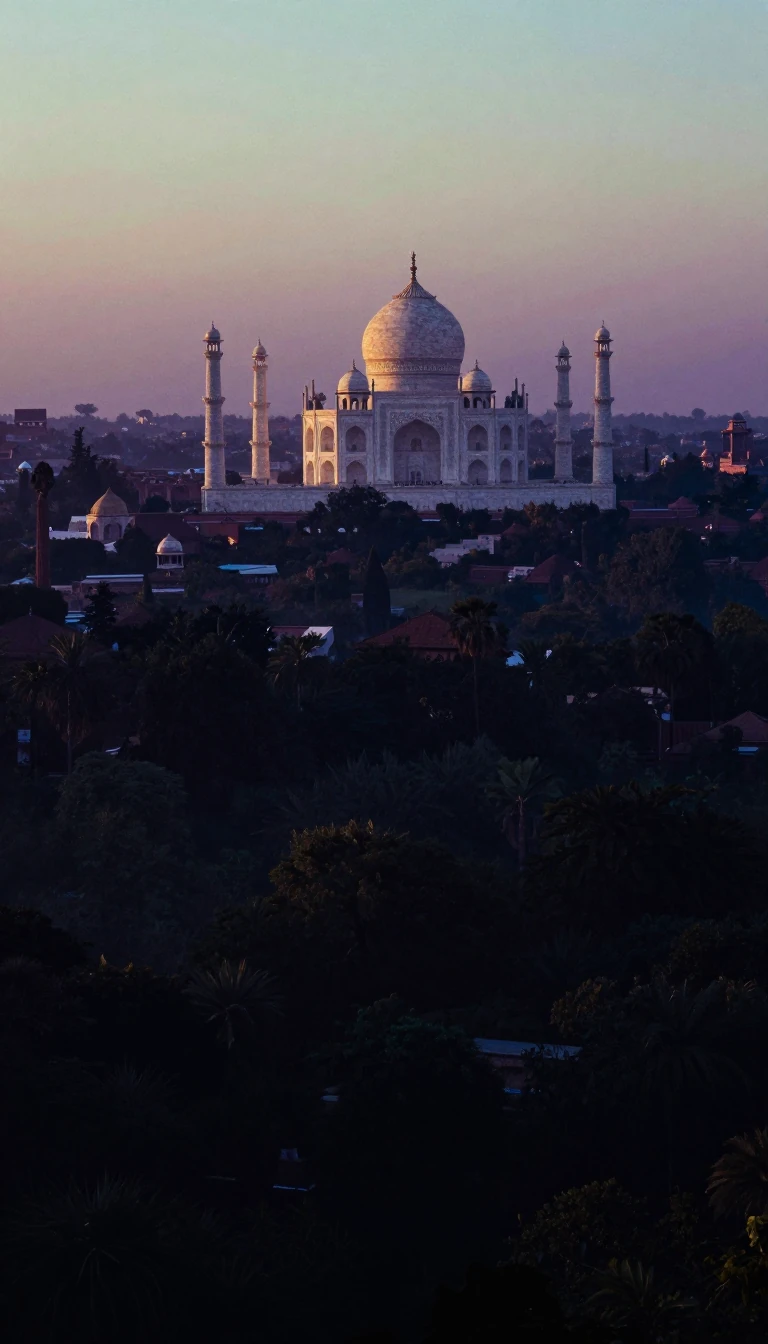 Gainesville, Florida: A university town balancing historic preservation, solar innovation, and complex social challenges.Beyond its reputation as a college town, Gainesville is a city of surprising contradictions. It is a global leader in solar energy adoption and the birthplace of Gatorade, yet it …
- The elusive gaucho: from outlawed cattle smuggler to romanticized national folk heroThe gaucho is a legendary figure of the South American pampas, often imagined as a free-roaming, brave horseman. Yet, historical records reveal a more complex reality: they were f…
- Why do some countries use military forces to police their own civilian populations?A gendarmerie is a military or paramilitary force tasked with civilian law enforcement. While the term originated from medieval French knights, these units now serve as internal s…
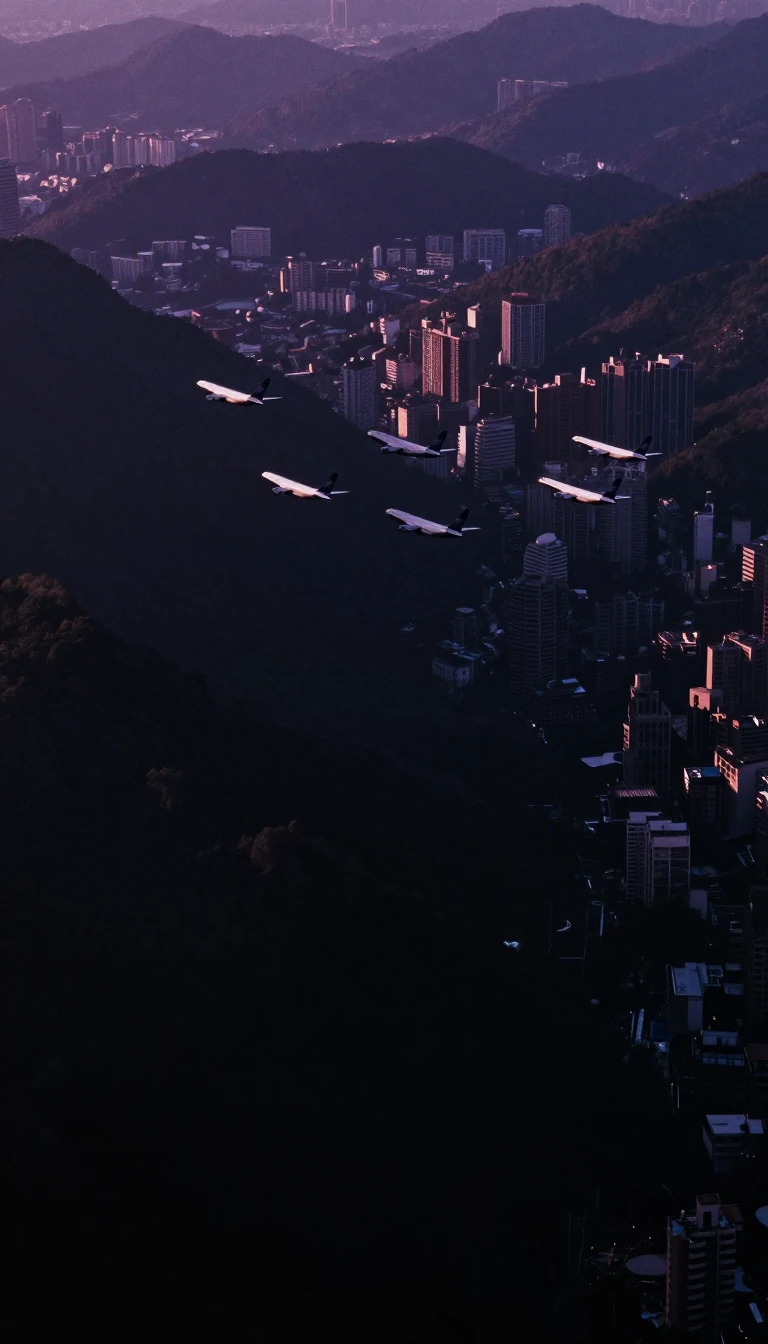 The F-16 Fighting Falcon: How a Fighter Mafia Redefined Aerial Combat AgilityBorn from a rogue group of innovators known as the Fighter Mafia, the F-16 Fighting Falcon revolutionized military aviation. By intentionally designing an aerodynamically unstable…
 France's hidden territory: a vast, uninhabited wilderness of volcanoes, penguins, and scientific outposts.The French Southern and Antarctic Lands are not a typical overseas territory. With no permanent residents, this remote collection of islands and an Antarctic sector serves as a vi…
 The elusive genet is a master climber that occasionally hitches rides on large mammalsGenets are slender, cat-like carnivorans native to Africa, known for their exceptional agility and solitary nature. While they are primarily tree-dwellers, these mysterious creatu…
- The hidden evolution of the title that once rivaled the PopeAn emperor is more than just a king. Historically, the title represented a rank so high it surpassed all other monarchs, often claiming a status equal to the Pope. But how did a R…
- From Feudal Levies to Professional Force: The Evolution of the French ArmyThe French Army has evolved from a medieval force of feudal levies into a modern, all-volunteer professional military. Its history is defined by centuries of shifting structures, …
- From a sand quarry in Cameroon to the pinnacle of global combat sports.Francis Ngannou’s path from a childhood in a Cameroonian sand quarry to becoming a world-renowned heavyweight champion is a study in relentless ambition. After arriving in Paris h…
- How Frank Rijkaard evolved from a fiery midfielder into a master of tactical eleganceFrank Rijkaard is one of football's rare dual-threat icons, achieving legendary status as both a tenacious defensive midfielder and a visionary manager. From his early days as a p…
- From Medieval Guilds to Modern Campuses: The Enduring Power of the Fraternal OrderFraternities are far more than college social clubs. Rooted in medieval religious orders and trade guilds, these organizations have shaped public life for centuries. Whether throu…
- How a collaborative diary of voice memos became a global electronic music phenomenonFred Again, born Frederick John Philip Gibson, transformed from a behind-the-scenes hitmaker into a genre-defying electronic star. By weaving real-world audio samples and intimate…
- How the former Prussian monarchy transformed into a democratic bulwark of the Weimar RepublicAfter the German Empire collapsed in 1918, Prussia shed its authoritarian past to become a parliamentary democracy. Despite losing significant territory and facing internal politi…
- France's colonial empire once spanned ten million square kilometers across the Western Hemisphere.Beginning in the 16th century, France established a vast colonial network stretching from Canada to Brazil. While often remembered for the fur trade and strategic forts, this empi…
 How a colonial crisis birthed France’s enduring and powerful presidential systemBorn from the chaos of the 1958 Algiers crisis, the French Fifth Republic replaced a fragile parliamentary system with a robust, semi-presidential structure. Designed by Charles d…
 Why the German Empire's black-white-red flag remains a complex symbol of national identityThe German Empire's tricolor flag was born from a practical need for maritime identity, blending Prussian and Hanseatic colors. Though it became a potent political emblem across s…
 Is the world's most controversial delicacy a French invention or an ancient Egyptian tradition?Foie gras is synonymous with French luxury, yet its roots stretch back to ancient Egypt. While modern production faces intense scrutiny over animal welfare, this buttery delicacy …
- Ferencváros: How a Budapest Football Club Became a Symbol of Hungarian Political IdentityFounded in 1899, Ferencvárosi TC is Hungary's most successful football club. Beyond its record-breaking domestic titles and international achievements, the club has served as a po…
- A fragile union: Why the Federation of South Arabia never found its footingUnder British protection, the Federation of South Arabia attempted to unite disparate states into a single federal entity. Yet, it struggled to establish a true political identity…