How a West African colony became the world's leading cocoa exporter under British rule
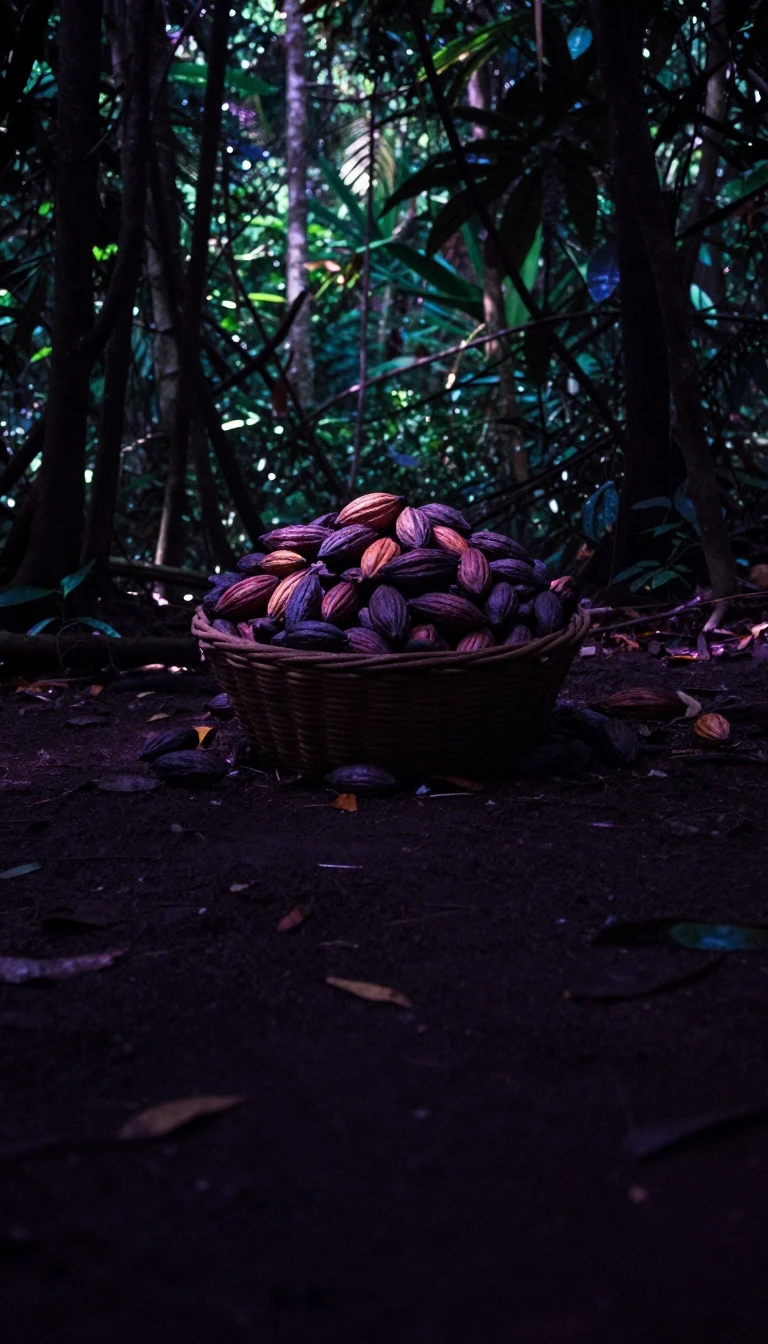
In short: The British Gold Coast colony was built on gold, but it was cocoa that transformed its economy. By the late 1940s, this West African territory supplied over half of the world's cocoa, a feat achieved through a complex mix of colonial infrastructure, traditional land use, and the eventual rise of nationalist movements.
The Gold Coast, a British Crown colony from 1821 to 1957, was defined by its transition from a collection of coastal forts to a unified territory encompassing the Ashanti Empire and the Northern Territories. British influence grew through a combination of treaties, such as the 1844 Bond, and military force, including the 1874 occupation of Kumasi. This expansion was driven by a desire to suppress the slave trade and stabilize trade routes disrupted by the Asante wars, eventually leading to the formal annexation of the region.
Economic development centered on natural resources, particularly gold, timber, and cocoa. While gold mining became a foreign-dominated enterprise following the 1897 formation of the Ashanti Goldfields Corporation, cocoa production remained largely in African hands. The introduction of cacao trees in 1878 proved pivotal; by the 1920s, it was the nation's economic mainstay. Infrastructure projects, such as the Sekondi-Tarkwa railroad and the artificial harbour at Takoradi, were essential to this growth. Governor Frederick Gordon Guggisberg, who served from 1919 to 1927, spearheaded an ambitious development program that prioritized transportation, education, and public health.
Administration relied on a system of indirect rule, which utilized traditional chiefs to maintain order while keeping them accountable to British commissioners. This policy, championed by Frederick Lugard, was intended to be cost-effective and culturally stabilizing, yet it often alienated educated young Africans and eroded the traditional accountability of chiefs to their people. By the mid-20th century, constitutional reforms and the rise of nationalist movements shifted the political landscape. Following a 1956 plebiscite in British Mandated Togoland, the colony achieved independence as Ghana on 6 March 1957.
Opens the Intellect+ feed with this card first. Swipe up for the next one.
Sources
- Summary by Intellect · source: Gold Coast (British colony)
To cite this card, link to https://intellectplus.co.uk/app/places-gold-coast-british-colony.
How we source, check and correct cards: Editorial standards.
General information, not professional advice. Spotted an error? Flag the card or see corrections and complaints.
Intellect Plus is a visual educational discovery platform for exploring fascinating facts and ideas. Brain Food, Not Brain Rot. What is Intellect Plus?
Related
More in Countries and other regions · More in Countries & Cities · Latest · A–Z · All topics
