 Intellect Plus
Alloys and ceramic compounds
36 cards. Each one is a 40-second story with a five-minute read behind it.
 Why your smartphone's components are masters of disguiseIdentifying materials by sight alone can be deceptive. While metals shine and polymers feel light, many engineering materials hide their true nature beneath surfaces or within com…
 How different atoms combine to create the world's essential metal alloysExplore the fundamental chemistry behind alloys, from the bronze of antiquity to modern steel. This tutorial explains the structural differences between substitutional and interst…
 Are you confusing alloys with composites in materials science?Understanding the fundamental distinction between alloys and composites is essential for engineering. This video introduces the basic structures of solids and the diverse range of…
 The chemistry behind our modern world's building blocksExplore the fundamental properties of metals and alloys. This lesson breaks down how these materials are structured at a molecular level to create the tools and infrastructure we …
 The secret architecture of metals and the science of alloysUnderstand why metals behave the way they do by exploring their unique atomic structure. This lesson breaks down the relationship between metal cations, delocalised electrons, and…
 The Engineering Balance: Why Pure Aluminium Rarely Stands AloneWhile pure aluminium is a staple of modern life, its limitations in heavy-duty engineering often necessitate the creation of alloys. This video explores the mechanical properties …
- Why mixing metals creates materials stronger than their individual partsWhile we often think of solids as pure substances, many of our most vital technologies rely on alloys—solid mixtures of elements. By combining different metals or adding nonmetals…
 Why mixing metals creates materials stronger than their partsThis video explores the fundamental chemistry of alloys, examining how metallic bonding and atomic structures allow us to engineer materials with specific, desired properties.
 Why modern steel is a masterpiece of atomic engineering and precise thermal timingSteel is far more than simple iron and carbon. By adding precise amounts of elements like manganese or nickel and manipulating its microstructure through exact heating and cooling…
- Boron nitride is the versatile, heat-resistant cousin of diamond and graphite you never knewBoron nitride is a remarkable compound that mimics the structures of both diamond and graphite. While its hexagonal form acts as a high-performance lubricant, its cubic variant ri…
 Carbides are the secret to industrial strength, from cutting tools to high-tech fertilizers.Carbon is usually associated with life, but when combined with metals, it creates some of the hardest materials on Earth. These compounds, known as carbides, range from explosive …
 Carbon steel is defined by its simplicity, yet its performance is a complex balancing act.Carbon steel is the backbone of modern infrastructure, ranging from simple nails to high-strength wires. While it lacks the exotic alloying elements of premium steels, its mechani…
- Cementite is the brittle, iron-rich ceramic that gives steel its essential structural strengthSteel is rarely just iron. It is a complex composite, and cementite is the secret ingredient that binds it together. This iron carbide compound is incredibly hard and brittle, act…
 Beyond yellow: How metallurgists transform pure gold into vibrant, unexpected colorsPure gold is famously reddish-yellow, but it is rarely used in its natural state for jewelry. By alloying it with other metals or manipulating its surface at the atomic level, sci…
 Why this 19th-century copper-nickel alloy remains the gold standard for modern strain measurementConstantan, an alloy of copper and nickel, has remained the premier material for strain gauges since its invention in Germany in the late 1800s. Its unique ability to maintain sta…
 Why this silver-colored metal is actually a copper alloy that fooled ancient alchemistsDespite its silvery appearance, cupronickel is primarily copper. Its name originates from a German folklore sprite blamed for ores that looked like copper but yielded none. Today,…
- How a German metallurgist accidentally revolutionized aviation with a simple, age-hardening aluminium alloy.In 1903, Alfred Wilm discovered that aluminium alloyed with copper hardened spontaneously at room temperature. This accidental breakthrough birthed duralumin, a material that tran…
 The ancient alloy that paved the way for the world's first metal currencyLong before modern mints, ancient civilizations turned to electrum, a naturally occurring blend of gold and silver. This shimmering, pale-yellow metal was more than just a decorat…
 The secret behind the intense sparks of your modern emergency fire starterYou likely know it as a ferro rod, but this synthetic alloy is a marvel of chemistry. Invented in 1903, ferrocerium relies on the low ignition temperature of rare-earth metals to …
 Why this liquid metal is replacing mercury in everything from thermometers to gaming consolesGalinstan is a liquid alloy that stays fluid at room temperature, offering a safer, non-toxic alternative to mercury. Beyond simple thermometers, this versatile metal is revolutio…
 Why this ultra-hard crystal is quietly revolutionizing everything from your charger to military radarGallium nitride is a robust, high-performance semiconductor material that outperforms traditional silicon. By operating at higher voltages and temperatures with superior efficienc…
 Why these brittle metallic compounds are the secret backbone of modern high-tech engineeringIntermetallics are solid-state compounds formed from two or more metals that defy the rules of standard alloys. While often hard and brittle, their unique crystal structures and h…
- Why the strongest metals rely on atoms squeezed into the wrong placesIn the rigid, orderly world of crystal lattices, interstitial defects are the ultimate rule-breakers. By forcing extra atoms into the gaps between metal atoms, these defects funda…
- Why copper alloys remain the backbone of modern engineering and ancient history alikeCopper alloys are more than just bronze and brass. From rocket engines to antimicrobial touch surfaces, these versatile materials have been shaped by global trade, scarcity, and c…
- Mischmetal is the industrial workhorse that turns discarded rare-earth leftovers into sparks and steel.Often overlooked, mischmetal is a versatile alloy of rare-earth elements, primarily cerium and lanthanum. Born from the need to find uses for industrial waste, this material is th…
- Why network solids are the toughest materials in the natural worldImagine a material where the entire structure is one giant, continuous molecule. Unlike common substances held together by weak forces, network solids rely on an unbroken web of c…
 Why nature rejects perfect ratios in the solid-state chemistry of transition elementsWe are taught that chemical compounds follow neat, whole-number ratios. Yet, many vital materials defy this rule entirely. These non-stoichiometric compounds contain structural de…
 Pewter is a timeless alloy that has shaped human domestic life for two millennia.For over 2,000 years, this versatile tin-based alloy has been the backbone of household utility. From Roman tableware to modern decorative figurines, pewter’s unique properties—ma…
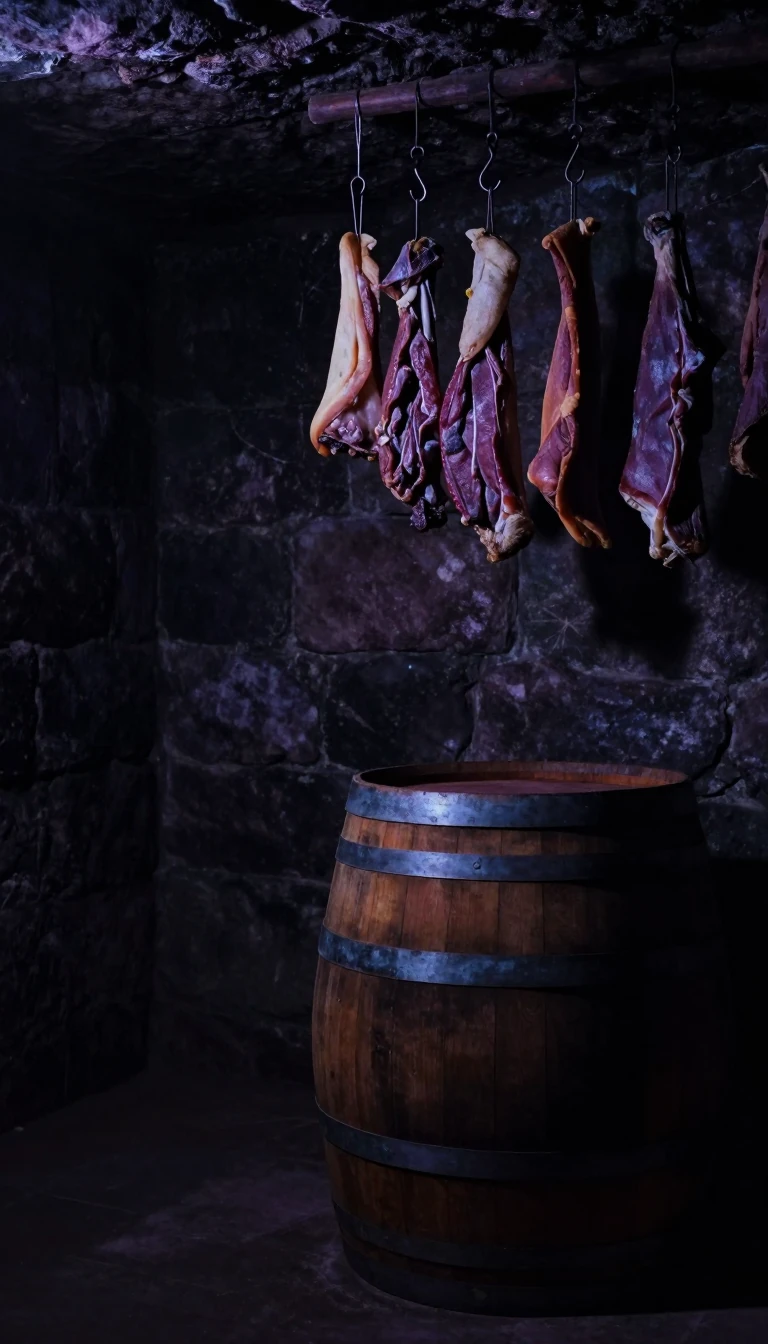 Why the crude iron from a blast furnace is named after a nursing sowPig iron is the raw, high-carbon output of a blast furnace, but its unusual name comes from the way it was historically cast. Molten iron was poured into a central channel with sm…
 How ceramic compounds are shrinking fusion reactors to a fraction of their former sizeRare-earth barium copper oxide, or ReBCO, is a family of ceramic superconductors capable of sustaining magnetic fields far beyond conventional materials. By enabling compact, high…
 From stardust to supercars, this versatile ceramic is reshaping modern high-performance engineeringSilicon carbide is a rare mineral on Earth but a common form of stardust. Since its mass production began in 1893, this hard, heat-resistant compound has evolved from a simple abr…
- Solder is more than just glue for metal; it is a complex metallurgical balancing act.Solder is a fusible alloy designed to create permanent bonds between metal parts. While it seems simple, its composition is a precise science. From the eutectic mixtures that soli…
- Why spring steel is the secret to everything that snaps back into shapeFrom the landing gear of small aircraft to the delicate wires inside a piano, spring steel is the unsung hero of mechanical resilience. Its unique ability to endure extreme twisti…
- Tungsten carbide is the industrial powerhouse that bridges the gap between steel and diamond.Three times stiffer than steel and nearly as hard as diamond, tungsten carbide is a synthetic marvel. From the tips of ballpoint pens to armor-piercing projectiles and surgical to…
 The ancient Indian steel that baffled European scientists for centuriesWootz steel, a high-carbon alloy developed in southern India during the mid-1st millennium BC, was once the world's most prized material for sword-making. Its legendary sharpness …
- Yttrium barium copper oxide: The ceramic that broke the liquid nitrogen barrierYttrium barium copper oxide, or YBCO, is a superconducting ceramic that loses all electrical resistance at temperatures above the boiling point of liquid nitrogen. This discovery …