 Intellect Plus
Cell biology
155 cards. Each one is a 40-second story with a five-minute read behind it.
 The microscopic architecture that powers every living thingExplore the complex machinery of life through a guided tour of the cell. This video breaks down the fundamental differences between cell types and explains why biological structur…
 The cellular gatekeeper balances a delicate dance between barrier and bridgeEvery living cell is encased in a thin, sophisticated boundary that performs a dual miracle: it acts as a fortress to keep out toxins while simultaneously serving as a high-traffi…
 The molecular binary switches that govern your body's internal signalsFrom light hitting your eyes to hormones traveling through your blood, your cells need a way to process these external commands. They use G-proteins as tiny biological switches, f…
 The dual personality of lipids makes life's boundaries possibleHow does a cell stay contained without becoming a sealed tomb? The secret lies in an 'amphiphilic' paradox: molecules that are simultaneously attracted to water and repelled by it…
 The cell membrane is a moving highway, not a static wallThink of your cells as bustling cities where the borders are constantly shifting. The membranes aren't just passive barriers; they are dynamic structures that remodel themselves t…
 How your body adapts: the science of hyperplasia and cell growthUnderstand how your cells react to stress and stimuli. This lecture explores the mechanisms of hyperplasia, hypertrophy, and atrophy, explaining how tissue changes to survive or r…
 The biological middle ground: why viruses aren't technically aliveViruses exist in a strange gray area of biology, sitting on the boundary between living organisms and chemical compounds. They lack the cellular machinery to reproduce on their ow…
 Why identical blueprints result in diverse cellular boundariesWhile all cells share basic structural principles, their membranes are uniquely tailored to specific roles. This video breaks down how variations in lipids and proteins allow diff…
 The molecular dance that keeps your cells from freezing or meltingEver wonder how cells maintain a perfect balance of stability and flexibility? This video explores the chemical mechanics of lipids—saturated fats, unsaturated fats, and cholester…
 The lipid barrier that keeps your cells from dissolvingLife depends on a delicate balancing act: keeping essential nutrients in while locking out toxins. Your cell membranes achieve this through semipermeability, using an oily core to…
- The Gatekeepers of Life: Understanding Membrane ProteinsHow do cells communicate, transport nutrients, and maintain boundaries? This video breaks down the fundamental structures of membrane proteins, distinguishing between those embedd…
 The cellular architecture of your body's internal defense systemThis video maps the complex landscape of human immunology, breaking down how specific cells coordinate to protect you from threats.
 How the body trains its immune system to recognize self from non-selfThis video maps the complex journey of T cell development, tracing how progenitor cells transform into a sophisticated defense force. It explores the critical biological checkpoin…
 How your body ensures every immune cell knows its specific jobYour immune system faces a massive logistical challenge: creating millions of unique T cells that must perfectly match the correct targets. To prevent chaos, immature cells underg…
 How T cells coordinate a targeted defense against cellular threatsThis video breaks down cell-mediated immunity, moving beyond basic concepts to show how the body identifies and eliminates infected or abnormal cells. It explores the specific mec…
 The invisible gatekeepers deciding whether your cells live or divideBefore a cell divides, it must navigate a rigorous sequence of growth and replication. Most of this work happens during interphase—a period where the cell isn't just resting, but …
- How your body identifies internal threats via a molecular conveyor beltYour immune system must distinguish between healthy tissue and hijacked cells. It does this by scanning the inside of every cell for 'red flags.' This process relies on a complex …
 How your body identifies invaders without letting them inside your cellsYour immune system has a sophisticated sorting office for threats. While some pathogens hide inside your cells, others circulate in the fluids outside. To fight these, specialized…
 The three biological destinies that govern every cell in your bodyEvery cell in your body faces a critical crossroads. This video explores the biological signals and checkpoints that determine whether a cell will multiply, retire, or die to main…
 How selectively permeable membranes maintain the balance of lifeDiscover how cells maintain internal stability through sophisticated membrane systems. This video explores the essential role of compartmentalization in cellular homeostasis and h…
 Aurora B kinase ensures proper chromosome alignment by recruiting essential checkpoint proteinsResearchers who inhibited the Aurora B kinase found that cells were unable to align their chromosomes correctly before cell division. While the cells still proceeded through mitos…
 How a leaf's microscopic architecture drives life through photosynthesisExplore the complex layers of a leaf's cross-section. This video examines how specialized tissues, from the upper epidermis to the spongy mesophyll, work together to manage gas ex…
 How cells replicate themselves to drive growth and repairExplore the intricate mechanics of the cell cycle, from DNA replication to the physical separation of two genetically identical daughter cells.
 How cells respond to stress and the threshold of irreversible damageExplore the biological mechanisms cells use to survive environmental pressure, and learn what happens when these adaptive strategies ultimately fail.
 The microscopic machinery that powers every living cellExplore the intricate internal landscape of the cell. This video provides a foundational overview of how cytoplasm and specific organelles work together to maintain life.
 The dynamic barrier that defines the boundaries of lifeExplore the essential architecture of the cell membrane. This video breaks down how this complex structure acts as a gatekeeper, balancing the cell's internal environment with the…
 The living barrier that regulates everything entering and leaving your bodyEvery substance that enters or leaves an organ must first cross a layer of epithelial tissue. From the skin you touch to the lining of your lungs, these tightly bound cells act as…
 The difference between a controlled exit and a chaotic collapseYour body is constantly performing a delicate balancing act of life and death. While some cells die in an orderly, programmed sequence to keep you healthy, others perish in a mess…
 The cellular factory: how the endoplasmic reticulum powers lifeDiscover the versatile machinery of the endoplasmic reticulum. This video breaks down how this dynamic structure manages everything from protein production to detoxification, maki…
 The cellular post office: how your cells ship and sort proteinsExplore the Golgi apparatus, the essential hub of the endomembrane system. This video breaks down how cells modify, sort, and package proteins to ensure they reach their correct d…
- The cell membrane is a gatekeeper balancing flexibility with formidable defenseHow does a cell stay alive while constantly interacting with its environment? The answer lies in a membrane that acts as both a flexible boundary and a strict barrier, selectively…
- The biological art of the planned exitYour body is constantly performing a highly orchestrated dance of self-destruction. This process, known as apoptosis, ensures that damaged or unnecessary cells vanish without caus…
- How a single cell transforms into a complex organismExplore the biological process of cell specialization and the unique role stem cells play in development.
- The cell membrane acts as both a fortress and a gatewayEvery living cell is encased in a sophisticated barrier that must perform a delicate balancing act. It must be sturdy enough to keep out toxic acids and ions, yet permeable enough…
- The delicate molecular machinery that prevents your cells from dividing uncontrollablyEvery time a cell divides, it follows a strict biological itinerary. But what happens when the checkpoints fail? Understanding the precise balance of proteins that govern the cell…
 How a single molecule tells a cell to change its shapeCells are not isolated islands; they are constantly communicating. From a single yeast cell seeking a mate to the coordinated actions of millions of human cells, signaling pathway…
- How do mitosis and meiosis fundamentally differ in cell division?This side-by-side comparison explores the distinct stages of mitosis and meiosis, clarifying the complex vocabulary used to describe how cells replicate and divide.
 How do cells manage the flow of essential materials?Explore the fundamental mechanics of cell membranes and transport. This video provides an educational overview of how cells regulate the movement of substances across their bounda…
 How cells control which instructions are followedDiscover the fundamental mechanisms of gene expression and regulation. This video explores how organisms manage their genetic blueprints, comparing the streamlined processes of pr…
- Are the rules of cell biology as absolute as they seem?Explore the fundamental characteristics that define animal, plant, bacterial, archaeal, fungal, and protist cells, while uncovering the fascinating exceptions that challenge these…
- Why counting chromosomes depends entirely on how you define themUnderstanding cell division often feels like a math problem where the rules keep changing. This video clarifies the confusing shift in chromosome numbers during mitosis and meiosi…
- Why biological diagrams can be misleading about the cell cycleScientific illustrations often simplify complex processes, creating misconceptions about how chromosomes actually behave and how different cell types undergo division.
 Stress granules act as biological plugs to stabilize damaged cell membranesResearchers using computational modeling and laboratory experiments have discovered that stress granules—clusters of molecules that form during cellular stress—act as physical plu…
 A detailed cellular map of the human brain during the first trimesterResearchers using single-cell RNA sequencing and spatial transcriptomics have mapped the cellular landscape of the human brain between 5 and 14 weeks of development. The study ide…
- How a single cell transforms into the complexity of lifeExplore how unspecialised cells evolve into highly specific structures to power your body. This video breaks down the biological journey from a zygote to specialised tissues, expl…
 From organelles to organisms: the hierarchy of biological complexityHow do individual microscopic structures combine to create a functioning human body? This video breaks down the biological levels of organization required for the 2026/27 GCSE exa…
 The fundamental divide between the simplest and most complex lifeWhat separates a single-celled bacterium from the complex cells of your own body? This video explores the structural differences between prokaryotic and eukaryotic cells, providin…
- The fundamental principles that define all living organismsExplore the essential pillars of cell theory. This video breaks down the core biological concepts necessary for mastering advanced examinations like the MCAT, AP Biology, and NEET.
 The microscopic machinery that powers every living thing on EarthExplore the fundamental building blocks of life. This tour breaks down the differences between simple and complex cells, tracing how organelles work together to sustain life.
- Can you identify these essential building blocks of life?Test your biology knowledge with a review game featuring Pinky and Petunia. This video presents clues to help you guess various cell organelles and structures before revealing the…
- The cellular factory: how organelles coordinate to build lifeThink of a cell as a complex manufacturing plant rather than a static blob. This video breaks down how various organelles collaborate in a specific assembly line to produce protei…
 Mastering the fundamentals of cell biology in under ten minutesThis video provides a comprehensive overview of the Cell Biology topic for GCSE Biology. It is designed as a high-speed revision tool to help students synthesize key concepts quic…
- How scientists isolate the microscopic building blocks of lifeThis video explains the laboratory process of cell fractionation, demonstrating how researchers break open cells and use varying centrifugal speeds to separate specific organelles…
- The yeast cell functions as a collection of modular protein machinesResearchers conducted the first genome-wide screen to map the protein complexes of budding yeast. By using affinity purification and mass spectrometry to tag proteins, they discov…
- Cancer cells may use death signals to survive and regrowWhen drugs target a tumor, most cells die. But some survive by co-opting a mechanism meant to destroy them. Researchers found that these 'persister cells' employ minimal DNA-disma…
 White blood cells defend us, but sometimes they weaponize their own DNA against us.Your immune system is a sophisticated defense force, but it occasionally employs a high-stakes tactic that can backfire. While white blood cells are essential for neutralizing thr…
- How did the cell nucleus actually come to be?The nucleus is essential for multicellular life, yet its evolutionary history remains a mystery. This video explores the leading scientific theories, including the provocative ide…
- This versatile seaweed extract is a food stabilizer, a medical marvel, and an environmental cleaner.Derived from red seaweed, carrageenan is far more than a common food thickener. While it is a staple in dairy and processed goods, this anionic polysaccharide is also revolutioniz…
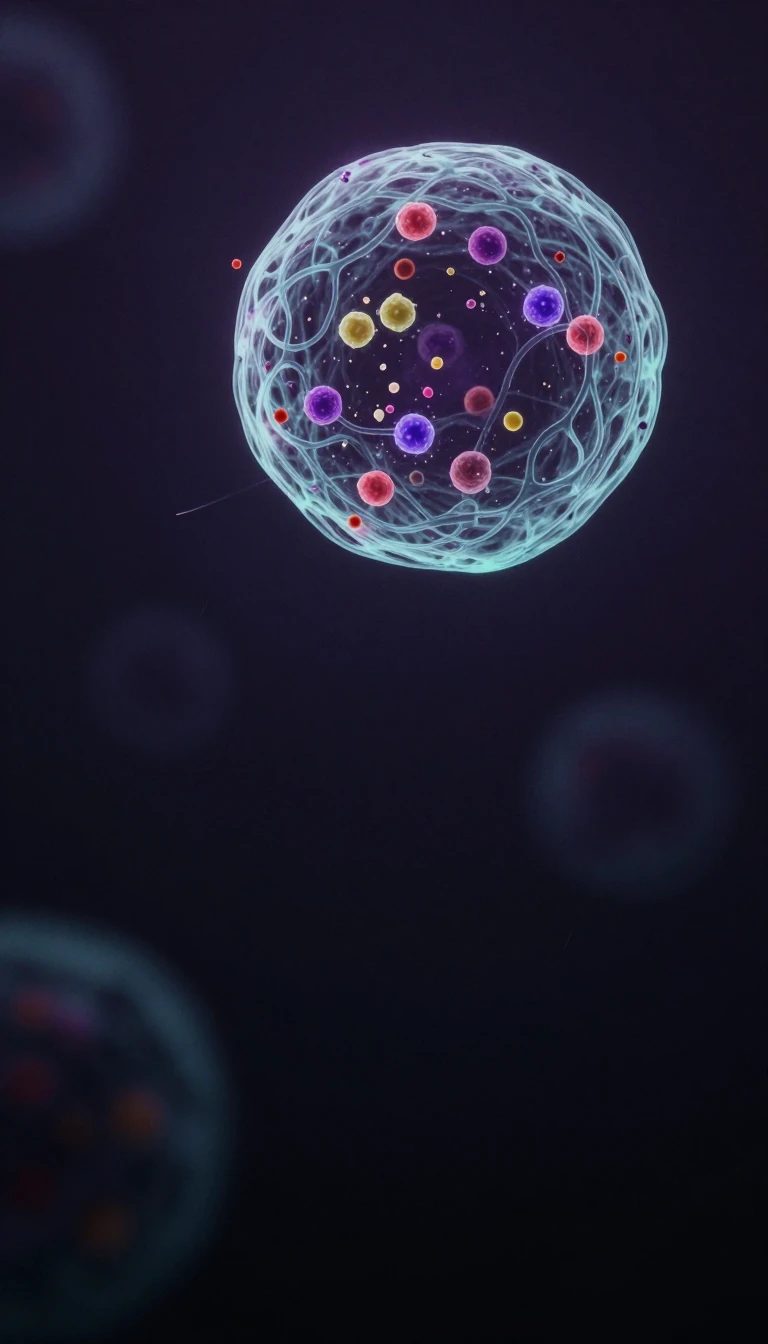 Your gut is a bustling superorganism with more microbial genes than your own genome.The human gastrointestinal tract is home to trillions of microorganisms that function as a vital, hidden organ. This complex ecosystem, known as the gut microbiota, co-evolved wit…
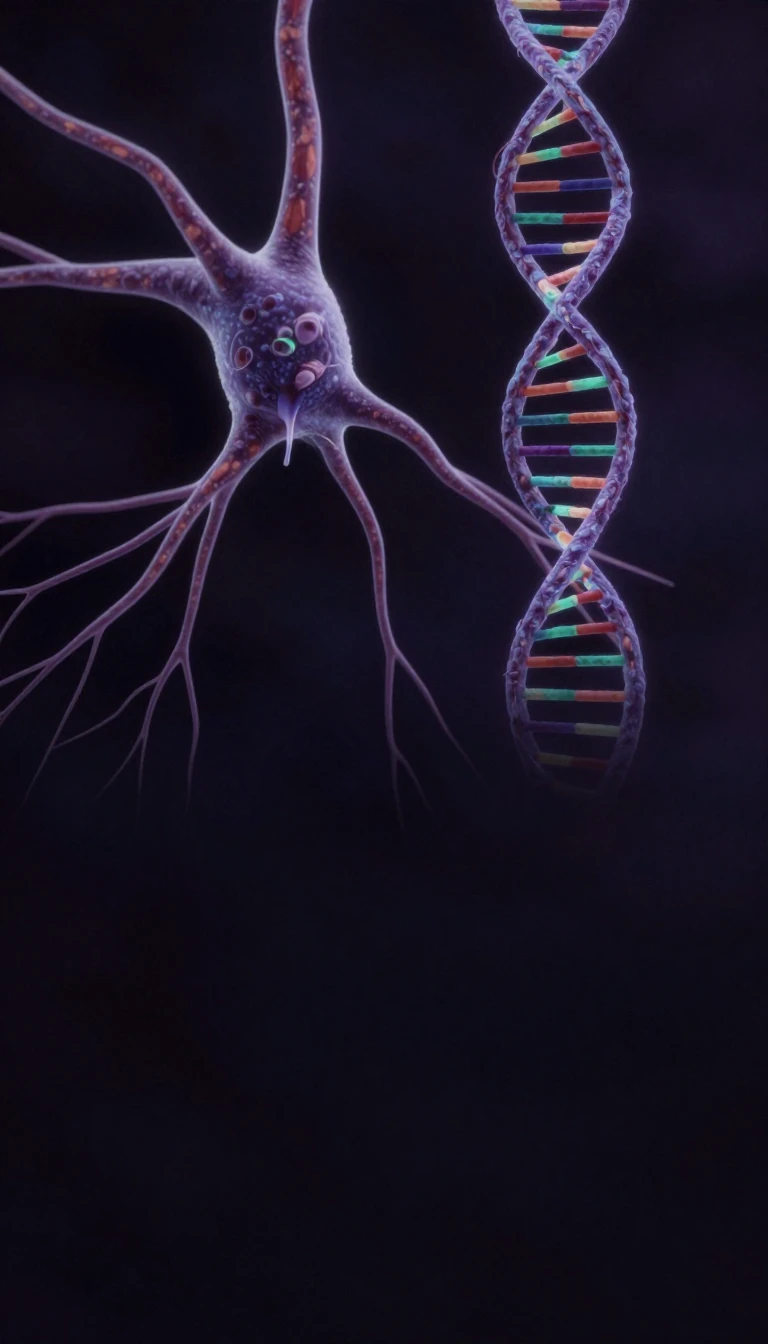 Actin is the master architect and motor behind every movement your cells makeActin is a protein that serves as the backbone of your cells. It exists in two forms, G-actin and F-actin, which constantly assemble and disassemble to build the cytoskeleton. Thi…