Your gut is a bustling superorganism with more microbial genes than your own genome.
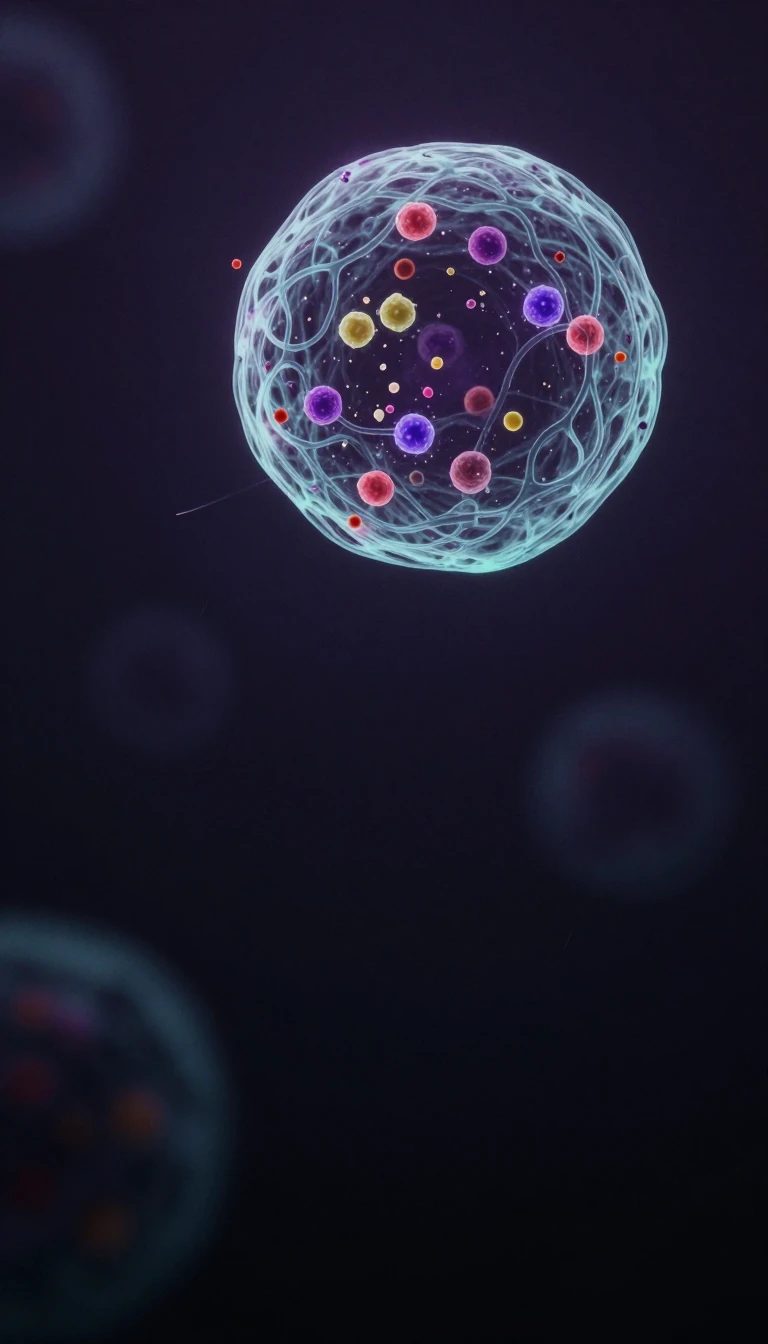
In short: The human gastrointestinal tract is home to trillions of microorganisms that function as a vital, hidden organ. This complex ecosystem, known as the gut microbiota, co-evolved with us to harvest energy, regulate immunity, and protect against pathogens. When this delicate balance shifts, the consequences for our health are profound.
The human gut is a massive interface, spanning roughly 250 to 400 square meters, where the body meets environmental antigens and a vast array of microorganisms. While early estimates suggested bacterial cells outnumbered human cells by ten to one, modern revisions place the ratio closer to 1:1. Regardless of the exact count, the genetic impact is undeniable: the microbial community possesses over 100 times the genomic content of the human host. This collective, often called a 'superorganism,' relies on a mutually beneficial relationship that has developed over thousands of years.
The composition of this community is heavily influenced by diet, which acts as a primary driver of microbial structure throughout a person's life. Beneficial microbes thrive on plant fibers, producing short-chain fatty acids that nourish the gut lining and lower internal pH to favor healthy bacteria. Conversely, diets high in sugar and processed additives can encourage less helpful species. Environmental factors, including chemical exposures like antibiotics, alcohol, and pollutants, can further disrupt this balance, potentially leading to dysbiosis—a state associated with inflammatory diseases, infections, and metabolic disorders.
Research into this field has evolved from labor-intensive culture methods to high-throughput sequencing. Studies like the Human Microbiome Project have identified thousands of species, with the vast majority belonging to just four phyla: Proteobacteria, Firmicutes, Actinobacteria, and Bacteroidetes. Despite this diversity, the gut microbiota exhibits high functional redundancy, meaning different microbial compositions can often perform similar physiological roles. Understanding this functional capacity is now the frontier of medicine, as scientists explore how to manipulate these microbial communities to treat conditions ranging from inflammatory bowel disease to cardiovascular risks linked to metabolic byproducts like TMAO.
Opens the Intellect+ feed with this card first. Swipe up for the next one.
Sources
- Summary by Intellect · source: Introduction to the human gut microbiota
- Also: Gut microbiota
To cite this card, link to https://intellectplus.co.uk/app/science-gut-microbiota.
How we source, check and correct cards: Editorial standards.
General information, not professional advice. Spotted an error? Flag the card or see corrections and complaints.
Intellect Plus is a visual educational discovery platform for exploring fascinating facts and ideas. Brain Food, Not Brain Rot. What is Intellect Plus?
Related
More in Cell biology · More in Science · Latest · A–Z · All topics
