 Intellect Plus
Ground transport
105 cards. Each one is a 40-second story with a five-minute read behind it. Page 2 of 2.
 Can a simple parking lot actually solve the nightmare of urban traffic congestion?Park and ride facilities promise a seamless transition from private vehicle to public transit, aiming to clear city streets of gridlock. While these hubs are common, evidence for …
 Why your parking spot might be a scam and how to avoid itParking in the city is no longer just about finding a space; it is a high-stakes game of digital compliance. From avoiding fraudulent QR codes to navigating complex emission-based…
 Why the humble passenger train remains the ultimate master of efficient mass transitWhile modern aviation dominates long-distance travel, the passenger train remains a technological marvel of efficiency. By operating on dedicated rights-of-way, these systems bypa…
 Why the humble zebra crossing remains a global standard for pedestrian safetyThe zebra crossing is more than just paint on asphalt. Born from mid-century experiments to curb rising traffic fatalities, this simple design uses high-contrast stripes to comman…
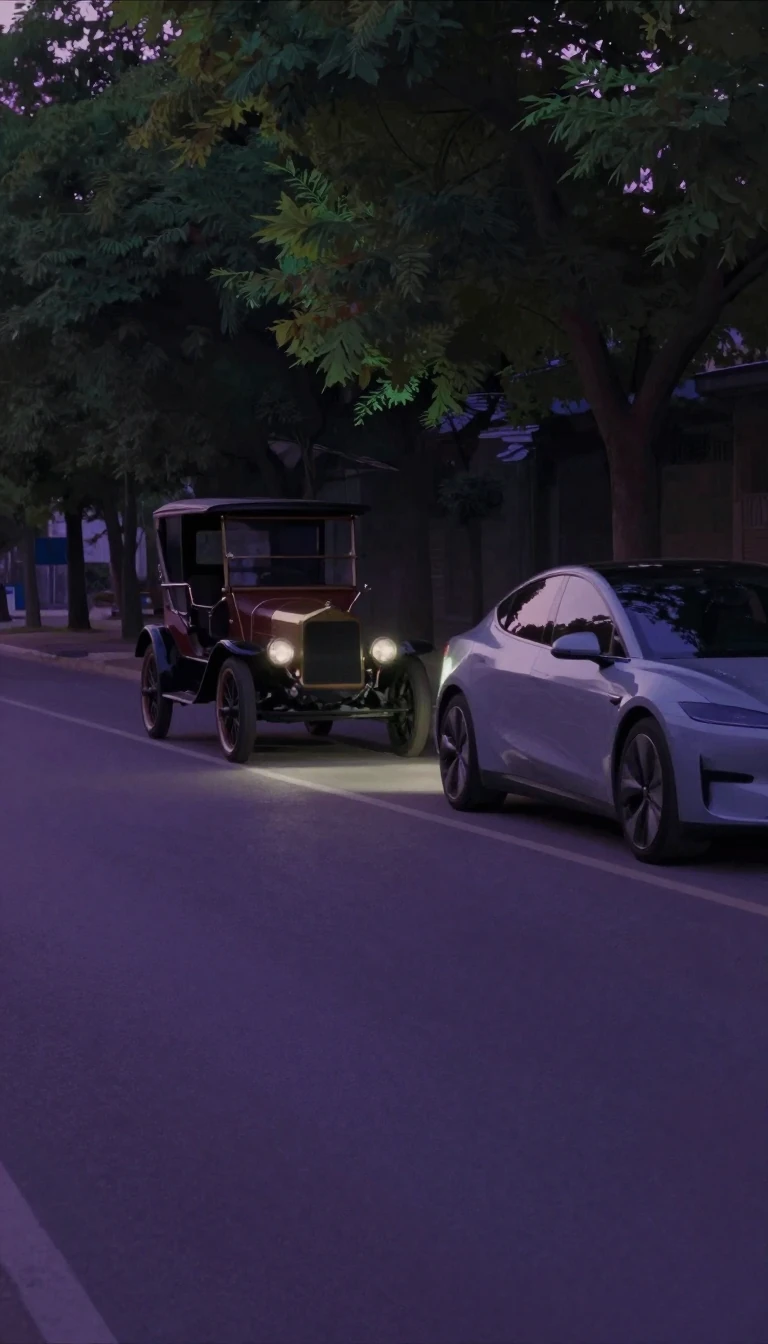 From electric wagons to armored tactical units, the evolution of the modern police car.The first police car was an electric wagon in 1899, reaching a top speed of 16 mph. Today, law enforcement fleets range from specialized high-performance traffic interceptors to a…
 From Horse-Drawn Carriages to Modern Networks: The Evolution of the Public BusPublic transport buses are more than just transit; they are complex systems connecting schools, hospitals, and airports. Whether through specialized community shuttles or extensiv…
 Why the world's heaviest trains are the key to efficient global logisticsRail freight is the backbone of global trade, moving massive quantities of bulk commodities and intermodal containers across continents. By leveraging economies of scale, railways…
 The hidden choreography of rail yards: how freight moves across the continentRail yards are the unsung engines of global logistics, acting as complex sorting hubs where freight is disassembled and reconfigured. Whether using gravity-fed humps or precision-…
 From wood to steel: how the humble railroad car conquered global cargo logisticsRailroad cars are the workhorses of modern transit, evolving from simple wooden boxes into specialized steel vessels. Whether carrying bulk coal, heavy military machinery, or pass…
 Why electric trains are the ultimate efficiency machines for moving people and cargoElectric railways outperform diesel engines by delivering superior energy efficiency, lower emissions, and quieter operation. By drawing power from large-scale grids rather than b…
- Why the world's longest railway platform is over 1,500 metres of concrete and steelA railway platform is more than just a waiting area. It is a complex piece of infrastructure designed to manage passenger safety, aerodynamic forces, and the physical gaps between…
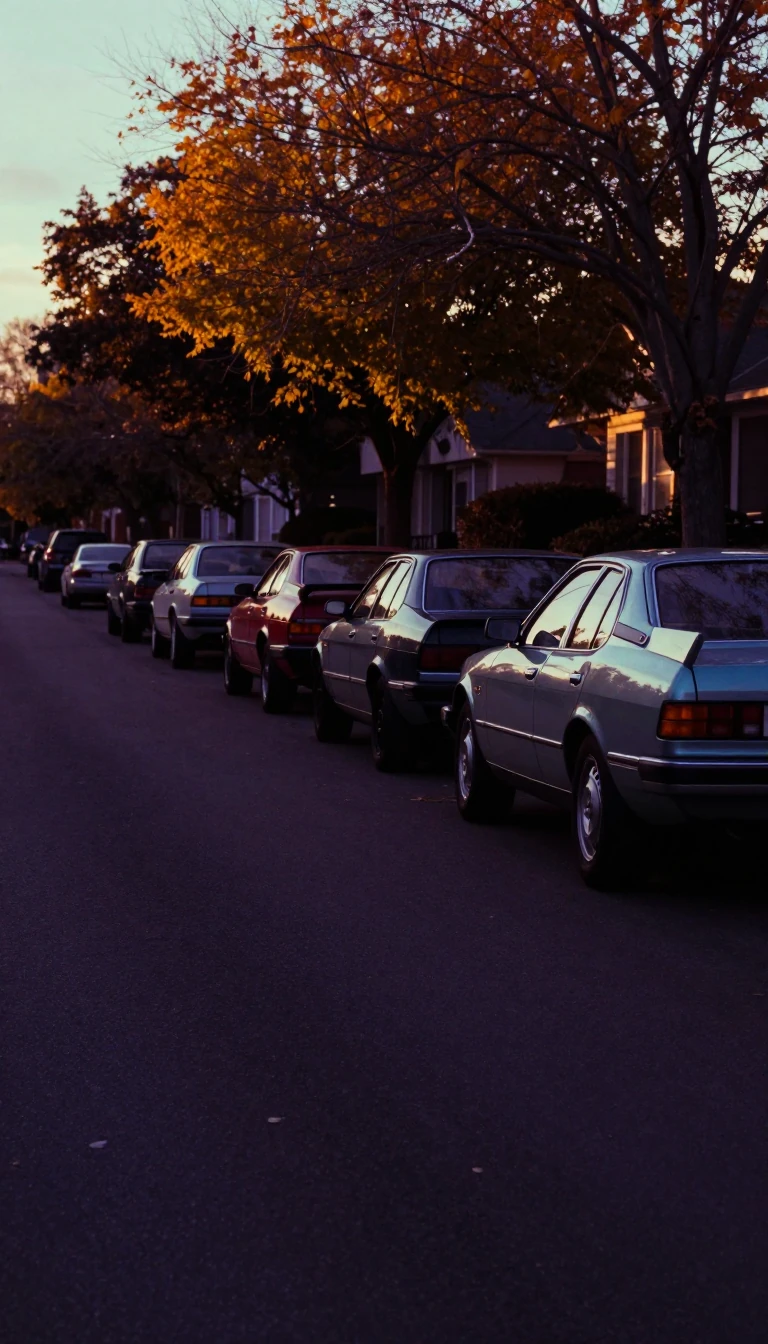 The surprising, centuries-old history of the modern home on wheelsFrom horse-drawn wagons in the 1880s to modern luxury motorhomes, the recreational vehicle has evolved from a niche health pursuit into a massive industry. Today, millions of Amer…
 Why the fastest bicycles in the world were banned from professional racing in 1934.Recumbent bicycles place riders in a reclined position, offering superior aerodynamics and ergonomic comfort compared to traditional upright bikes. Despite their potential for rec…
 Why the humble highway rest stop is a masterclass in global infrastructure designFrom Japanese ferris wheels to Malaysian overhead restaurants, the roadside stop is far more than a simple parking lot. These facilities serve as critical nodes in global transit,…
 Why the humble road junction is the most complex engineering challenge in transportRoad junctions are far more than simple intersections. As traffic density grows, engineers have developed a dizzying array of designs—from cloverleafs to the CYCLOPS junction—to b…
 Why the mighty steamroller remains the enduring nickname for all modern road compactorsThough steam power vanished from construction sites decades ago, we still call these heavy machines steamrollers. From humble horse-drawn beginnings to sophisticated diesel-powere…
- Why railway vehicles are classified as liquid assets in the global transport industryIn the world of rail, rolling stock refers to every vehicle that moves along the tracks, from powerful locomotives to simple passenger coaches. Unlike the permanent infrastructure…
 Why some roads are officially designated as scenic while others are just pretty drivesA scenic route is more than just a pleasant view. These paths are formally recognized by government agencies for their natural or cultural significance. From repurposed historic h…
 Are electric scooter-sharing systems a sustainable urban solution or just high-tech visual pollution?Scooter-sharing promised to solve the last-mile transport dilemma, reducing traffic and carbon emissions. Yet, these dockless fleets have sparked intense regulatory battles, safet…
 Why the world’s heavy haulers look so different on opposite sides of the AtlanticThe iconic big rig is not a universal design. While North American trucks favor a conventional bonneted layout, European roads are dominated by cab-over-engine models. These desig…
 Why your car needs a service schedule beyond just fixing what is brokenA vehicle service is not a repair; it is a preventative ritual. By replacing fluids and inspecting components before they fail, you preserve your car's longevity and resale value.…
 Why the world's most vital transit networks operate in a regulatory vacuumFrom the tro tro of Accra to the marshrutka of the former Soviet Union, share taxis are the lifeblood of urban mobility in developing nations. Often filling the void left by absen…
 Why mixing pedestrians and cyclists on the same path often creates more problems than solutions.Shared-use paths are designed to accommodate both walkers and cyclists, but they are frequently criticized for creating friction between these groups. While they save space in con…
 How the simple bicycle shifter evolved from frame-mounted levers to integrated cockpit controlsThe humble bicycle shifter is the command center of your ride, translating hand movements into mechanical gear changes. Whether you are clicking a grip, flicking a trigger, or eng…
 The humble shopping cart was once rejected for being too effeminate for menInvented in 1937, the shopping cart transformed retail by enabling self-service, yet early shoppers resisted the device. Men found the carts effeminate, while women associated the…
 The humble sidewalk is a 4,000-year-old technology for urban survival and social connection.Beyond simple transit, sidewalks are sophisticated infrastructure that shape human health, safety, and city design. From ancient Roman paths to modern legal battles over public sp…
 From the Black Forest to the Ends of the Earth: The Evolution of Ski LiftsThe humble ski lift has transformed mountain access, evolving from a simple 1908 invention in the German Black Forest into a global network of aerial and surface transport. Whethe…
- Why sport bikes prioritize raw performance over comfort, storage, and fuel economySport bikes are precision instruments engineered for speed, acceleration, and cornering on asphalt. By sacrificing everyday practicality like storage and comfort, these machines a…
 Why the world's most efficient highway junctions are built like vertical puzzlesA stack interchange is a masterclass in civil engineering, designed to keep traffic flowing without the friction of weaving or stoplights. By stacking roads in up to six distinct …
 Before the railway age, stagecoaches transformed travel through engineering, speed, and postal innovationLong before steam engines, the stagecoach was the primary engine of public mobility. By replacing tired horses at frequent relay stations, these four-wheeled vehicles connected di…
- Why the steamroller became a global symbol of unstoppable, crushing forceBefore they were icons of industrial power, steamrollers were experimental machines designed to flatten ground. From their 19th-century origins in France and Britain, these heavy,…
 From ancient survival tools to record-breaking feats, stilts have elevated humanity for millennia.Stilts are far more than circus props. Whether used by French shepherds to scan horizons, hop farmers to reach high wires, or modern tradespeople to install drywall, these elevate…
 Why the world’s most recognizable traffic sign is shaped like an octagonThe iconic red octagon was not chosen for its beauty, but for its utility. In the early 20th century, engineers realized that shape was more critical than text for driver recognit…
- What separates a standard sports car from the elite world of the supercar?A supercar is more than just raw speed; it is a blend of track-ready engineering, exclusive pedigree, and striking design. While the term originated in the 1960s to describe Ameri…
- The T-top roof design that defined the style of American sports cars for decades.Before the sleek targa top became the industry standard, the T-top offered a unique way to experience open-air driving. Defined by a rigid central bar running between the pillars,…
- Why the tandem bicycle is a masterpiece of engineering, not just a noveltyFar from a mere curiosity, the tandem bicycle is a sophisticated machine designed to overcome the physical limitations of single-rider cycling. By combining the power of two rider…
 From ancient Susa to modern motorways, why do we still pay to drive?Toll roads have existed for 2,700 years, evolving from royal fees on ancient highways to sophisticated electronic systems. While often criticized as double taxation, they remain a…
 The first traffic light exploded in London, but the technology eventually saved millions of dollars.Before modern signals, traffic was managed by police officers. In 1868, London installed the first gas-lit semaphore system, which promptly exploded. Today, traffic lights are sop…
 Why the design of a simple road sign can spark a national bureaucratic warTraffic signs are more than metal plates; they are carefully engineered tools designed for high-speed readability. Yet, the quest for the perfect typeface has triggered intense de…
- From drag sleds to 18-wheelers: the evolution of the unpowered vehicleTrailers are more than just boxes on wheels. They are a sophisticated technology of weight distribution, ranging from simple bicycle attachments to massive hydraulic modular units…
- Why the modern transport hub is more than just a place to catch trainsA transport hub is far more than a station; it is a critical intersection where passengers and cargo shift between modes of travel. From the pioneering hub-and-spoke aviation mode…
- Why the humble tricycle is more than just a child's first set of wheelsWhile often viewed as a stable starter vehicle for children, the tricycle is a sophisticated machine with a history spanning centuries. From 17th-century hand-cranked mobility aid…
- Beyond the circus: why the unicycle is a surprisingly versatile and competitive machineWhile often dismissed as a mere circus prop, the unicycle is a sophisticated vehicle that has evolved into a diverse range of specialized machines. From mountain trails to basketb…
 Beyond the taxi: The diverse world of vehicles for hire across the globeWhen you think of hired transport, a standard taxi might come to mind, but the category is far more expansive. From motorized rickshaws and motorcycle taxis to specialized party b…
- Beyond the Conestoga: How the humble wagon shaped global industry and migrationThe wagon is far more than a rustic relic. From the massive, borax-hauling behemoths of Death Valley to the mobile kitchens that fed the American frontier, these four-wheeled work…