Why submersibles are the only way to reach the deepest parts of our ocean
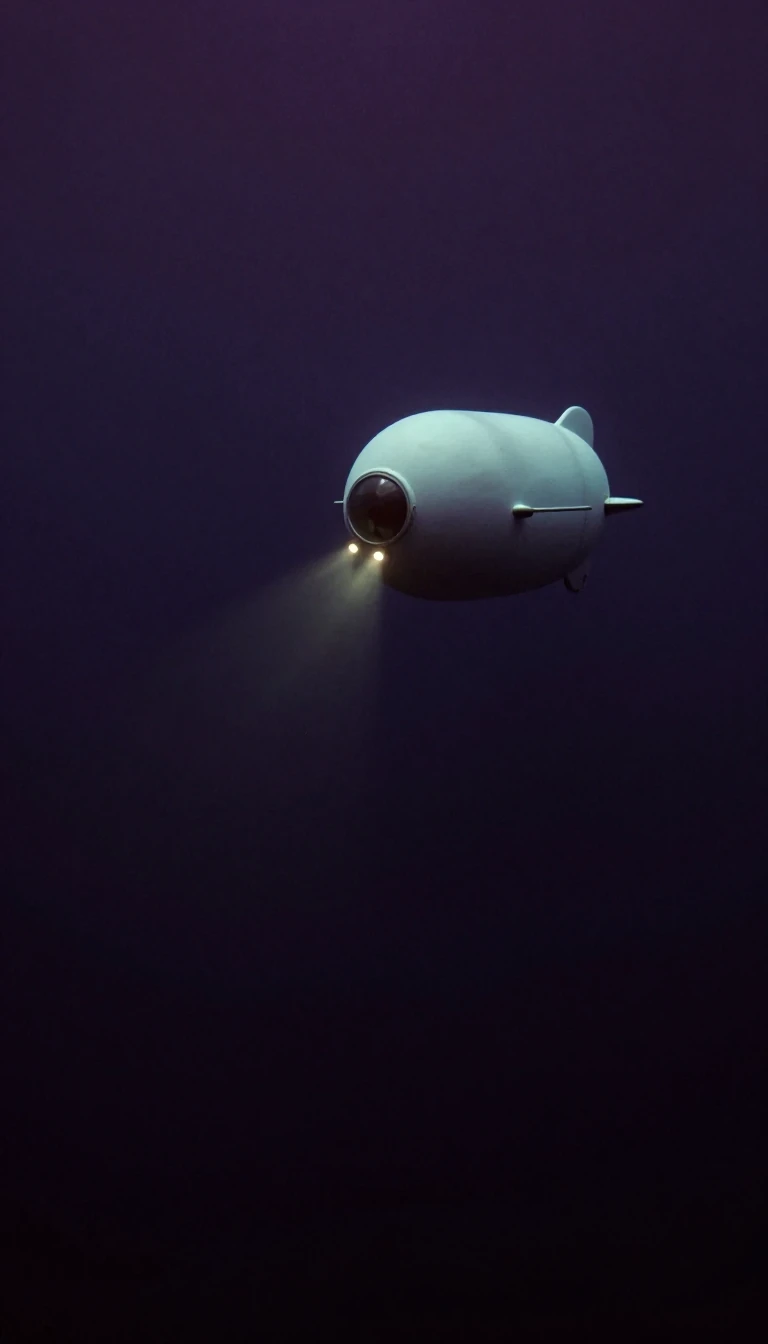
In short: The ocean averages over 3,600 meters in depth, a realm of crushing pressure and total darkness where standard diving is impossible. To explore these depths, engineers have developed specialized submersibles that act as our eyes and hands, allowing us to survey the seafloor and collect data from the abyss.
Unlike submarines, which operate independently, submersibles rely on a surface ship for support, power, and recovery. This dependency is a trade-off for their ability to withstand extreme hydrostatic pressure. At sea level, we experience one bar of pressure, but for every meter of descent, that force increases significantly. To survive, these vessels often utilize a pressure hull that maintains an internal environment equal to surface atmospheric pressure, requiring materials capable of resisting the immense weight of the water column above.
There are three primary categories of these underwater explorers. Human-occupied vehicles, such as the Alvin—which has been in service since 1964—carry scientists directly to the seafloor, providing the unique advantage of firsthand observation. Remotely operated vehicles are tethered robots controlled by operators on a ship, using manipulator arms to collect physical samples. Finally, autonomous underwater vehicles operate on pre-programmed routes, drifting or gliding through the water to map the seafloor and gather high-resolution sensor data without real-time human intervention.
The engineering challenges are immense, as these vehicles must navigate environments where pressure is the primary constraint on design. While some submersibles are designed as single-atmosphere vessels, others use ambient pressure systems or wet designs where the interior is flooded. Regardless of the specific technology, each craft is governed by Archimedes' principle, utilizing buoyancy to manage movement. By deploying these machines, researchers can now reach the hadal zone, the deepest region of the ocean, where they continue to uncover the mysteries of our planet’s final frontier.
Opens the Intellect+ feed with this card first. Swipe up for the next one.
Sources
- Summary by Intellect · source: Submersibles - NOAA Ocean Exploration
- Also: Submersible
To cite this card, link to https://intellectplus.co.uk/app/sport-submersible.
How we source, check and correct cards: Editorial standards.
General information, not professional advice. Spotted an error? Flag the card or see corrections and complaints.
Intellect Plus is a visual educational discovery platform for exploring fascinating facts and ideas. Brain Food, Not Brain Rot. What is Intellect Plus?
Related
More in Maritime transport · More in Sport & Games · Latest · A–Z · All topics
