 Intellect Plus
Sports and recreation
584 cards. Each one is a 40-second story with a five-minute read behind it. Page 7 of 10.
 Why the 5000-metre race is a modern evolution of an ancient Greek testThe 5000-metre race is a staple of modern track and field, requiring 12 and a half laps on a standard track. While it feels like a contemporary invention, its roots stretch back t…
- Why the 5K is the world's most accessible and popular road running distanceThe 5K run is the shortest of the common road races, covering five kilometres or 3.107 miles. Its unique blend of low entry barriers, manageable physical intensity, and short time…
 Why 3x3 basketball is the fastest-growing format in the global gamePlayed on a half-court with just three players per side, 3x3 basketball has evolved from street-level pickup games into a formal Olympic discipline. By prioritizing speed, high-fr…
 Why the 400-metre dash is the most brutal test of human speed enduranceThe 400-metre sprint is a deceptive test of athleticism. It demands the explosive power of a sprinter, yet requires the physiological resilience to survive a massive buildup of la…
 How a struggling news magazine became the most profitable show in television historyDebuting in 1968, 60 Minutes was initially a ratings disappointment that lost money for CBS. Yet, through a unique investigative style and a permanent Sunday timeslot, it transfor…
 Why the 40-yard dash is a flawed metric for measuring true human speedThe 40-yard dash is the gold standard for NFL scouting, yet it is notoriously unreliable. Born from the physics of a football punt, the test suffers from inconsistent timing metho…
 Brisbane 2032: How Australia is navigating the most complex Olympic planning cycle in historyAwarded hosting rights over a decade early, Brisbane 2032 has become a test case for the International Olympic Committee's new, flexible bidding model. From shifting stadium plans…
 Sydney 2000: The Olympic benchmark that redefined sporting excellence and economic realityThe Sydney 2000 Summer Olympics are widely remembered as a triumph of spirit and organization, setting a gold standard for future host cities. Yet, behind the acclaim of the Games…
- Los Angeles 2028: How the Olympics Are Reimagining the Modern Global GamesLos Angeles is preparing to host the 2028 Summer Olympics, a massive undertaking that marks the city's third time as host. By relying entirely on private funding and existing infr…
- How a bribery scandal and a dark horse candidate reshaped the Winter OlympicsTurin was an unlikely host for the 2006 Winter Games, winning a bid against the overwhelming favorite, Sion. The selection process was overhauled following intense bribery controv…
- Sochi 2014: The most expensive and controversial Winter Olympics in historyThe 2014 Winter Olympics in Sochi, Russia, set records for both budget and broadcast reach. While the Games showcased cutting-edge infrastructure and a record ninety-eight medal e…
- Milano Cortina 2026: The First Winter Games Co-Hosted by Two Distinct CitiesThe 2026 Winter Olympics marked a historic shift in Olympic logistics, becoming the first Games officially co-hosted by two cities: Milan and Cortina d'Ampezzo. From the debut of …
 The 1988 Seoul Olympics were a high-stakes political gamble for South KoreaBeyond the athletic triumphs, the 1988 Summer Games served as a pivotal coming-out party for South Korea. While the world watched record-breaking performances, the host nation uti…
 Why the 1970 World Cup remains the gold standard for attacking footballMexico 1970 was a watershed moment for the beautiful game. It introduced global color television broadcasts, the iconic Telstar ball, and a legendary Brazilian squad that remains …
 How a 1951 sporting event in New Delhi launched a continental traditionThe inaugural Asian Games transformed New Delhi into a regional stage for peace and athletic excellence. Featuring 489 athletes from 11 nations, this 1951 competition revived the …
- Why elite hurdlers are abandoning the traditional eight-step start for a faster seven-step approachThe 110-metre hurdles is a race of extreme precision, where athletes must clear ten 42-inch barriers while maintaining a rhythmic three-step stride. For decades, the eight-step st…
- Why the 1500-metre run is the ultimate test of aerobic and anaerobic powerOften called the metric mile, the 1500-metre race is the premier middle-distance event in athletics. It demands a delicate balance of aerobic endurance and explosive sprint speed.…
 The 1896 Athens Olympics were a chaotic, amateur-led experiment that nearly failed to launch.The first modern Olympic Games were almost cancelled due to severe financial instability and political turmoil in Greece. Saved by a massive public fundraising campaign and the ge…
- The 1904 Olympics were a chaotic, months-long sideshow to a massive World's FairHeld in St. Louis from July to November 1904, these Games were the first outside Europe. Plagued by travel difficulties and international tensions, they were overshadowed by the L…
- Why the women's 100-metre hurdles evolved from an experimental race to a precision sprintThe 100-metre hurdles is a high-stakes test of speed and rhythm, requiring athletes to clear ten barriers while sprinting at full tilt. Though it looks like a simple dash, the eve…
- Why the 10,000-metre race is the ultimate test of human aerobic enduranceSpanning 25 laps of a standard track, the 10,000-metre run is the longest event in track athletics. It demands immense aerobic capacity, with elite competitors often logging over …
 Why tennis's most prestigious achievement shares its name with a card game trickThe term Grand Slam, now synonymous with tennis's four major championships, was originally a bridge term for winning every possible trick. It entered the sport in 1933 to describe…
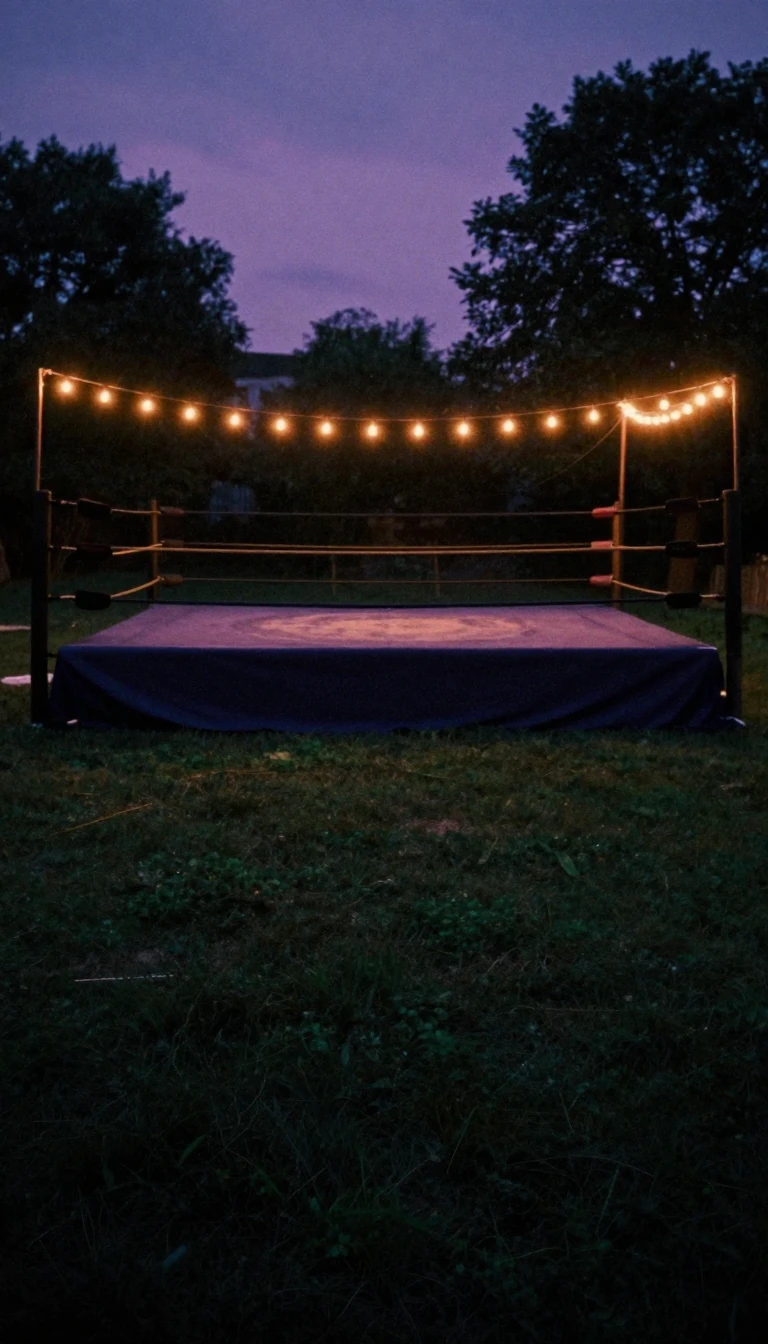 Fifteen millennia of holds, pins, and theatreWrestling grapples toward advantage through throws, clinches, locks, and pins—martial art, combat sport, and, in its pro form, athletic theatre. Cave art found in France may push …
 Chinese chess where cannons must jump to captureXiangqi, known as Chinese chess, is China's most popular board game, a two-player strategy cousin of shogi, janggi, and Western chess. Checkmate the enemy general on a nine-by-ten…
 From royal menageries to the word "zoo"A zoo keeps animals in enclosures for display and often for conservation breeding. The nickname zoo stuck after London's Gardens opened for science in 1828 and to the public in 18…
 Why human walking is an inverted pendulumWalking vaults the body over a stiff limb each step, an inverted-pendulum gait used even by many-legged arthropods. Crosswalk pace averages about 5 kilometres per hour, while cham…
- Chamonix 1924 invented the Winter OlympicsSnow and ice sports meet every four years under the International Olympic Committee—usually in a Northern Hemisphere February. The first edition, retroactively crowned later, was …
 Hera's races came before women entered OlympiaWomen and girls have always moved, played, and trained, yet organized competition was scarce before about 1870. The modern Olympics barred women in 1896; twenty-two then competed …
- Ancient pentathletes invented today's running and throwingTrack and field gathers races, jumps, and throws on a loop and a grass infield. The ancient Olympic pentathlon already mixed long jump, javelin, discus, a sprint, and wrestling. M…
 Emperors once staged five-hundred-person rope warsTang China trained soldiers with "hook pulling," and Emperor Xuanzong cheered contests on ropes longer than a hundred sixty metres. Greece pulled for battle strength; Olympics hos…
 A newspaper editor invented Europe's club crownInspired by South America's club championship, L'Équipe's Gabriel Hanot pushed UEFA to create a continental cup. The 1955–56 European Cup opened with sixteen sides; Real Madrid wo…
 Cold water can steal your breath before you drownHumans are poorly built for life underwater, yet gear pushes recreational scuba to about forty metres and saturation work past five hundred. Immersion shifts blood, slows the hear…
 Vacation bliss fades within a week back at workDutch researchers phoning employees on holiday found health and mood rose while away—then fell back to pre-trip levels inside a single week, no matter the trip's length or type. A…
 Video games now out-earn music and film combinedBy 2020 the global games market took in an estimated 159 billion dollars—about three times music and four times film in 2019. The medium began as lab curiosities and radar-inspire…
 Consoles sell cheap so the games can print moneyConsole makers often lose cash on the hardware box and profit on software licenses—a razor-and-blades loop refreshed every five to seven years. Ralph Baer's 1966 television-spot i…
 Volleyball began as basketball for tired businessmenIn 1895 YMCA director William G. Morgan invented "mintonette" in Holyoke, Massachusetts, so middle-aged clients could play without basketball's strain. An observer renamed it for …
 A newspaper stunt became cycling's hardest stage raceIn 1903, struggling paper L'Auto invented a multi-day bike race around France to sell copies. Maurice Garin won the first edition; cheating nearly killed the second. Today about t…
 One billion tourists crossed borders before the crashInternational arrivals first topped one billion in 2012, then COVID erased years of growth almost overnight. UN estimates put 2020 losses between fifty-eight and seventy-eight per…
 The oldest known doll toy is four thousand years oldPlaythings are prehistoric: Indus carts, Egyptian movable dolls, and Greek wedding sacrifices of childhood toys still turn up in digs. Industrial wages and mass production later f…
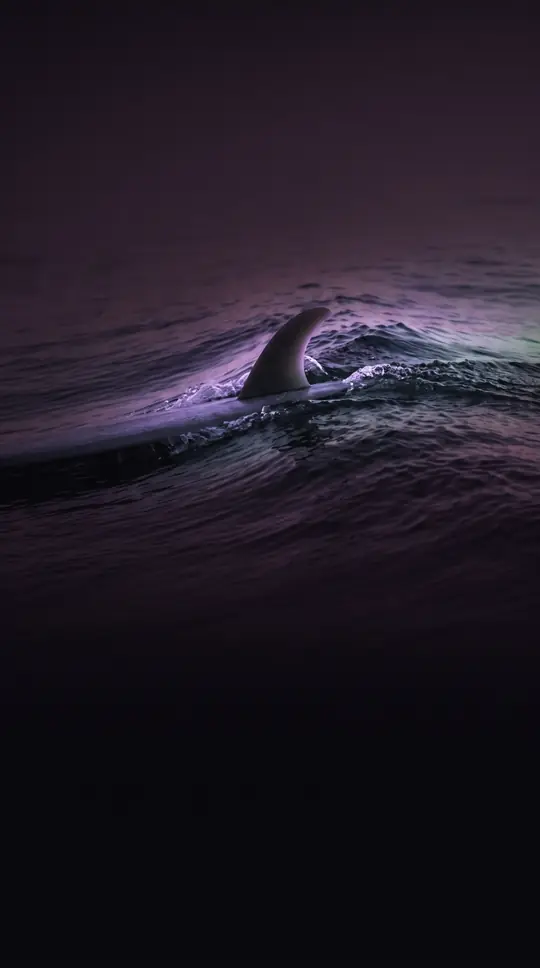 Riding the wave face—from Peru’s reeds to Olympic goldSurfing means riding a moving wave’s forward face on a board—or even without one. Ocean shores dominate, but standing waves, lakes, tidal bores, and pools count too. As of 2023, G…
- Humans float near neutral—then trade drag for thrustSwimming is self-propulsion through water by coordinated limb and body motion. Average human density sits near 0.98 relative to water, so we float—yet every stroke fights viscous …
 From Mohenjo-Daro’s Great Bath to a kilometer-long sea poolA swimming pool is a structure built to hold water for swimming. In-ground or above ground, public or private, chlorine or salt—the form is ancient. Guinness ranks Chile’s San Alf…
 Victorian parlour ping-pong became an Olympic spin duelTable tennis—also called ping-pong—shrinks tennis onto a stationary table. Tiny rackets smack a light hollow ball over a low net in blistering exchanges where spin rules the fligh…
 Korea’s foot-and-fist way split into sport and traditionTaekwondo is a Korean martial art built mainly on kicks and punches—tae foot, kwon fist, do the way. Born in mid-twentieth-century kwans after Japanese occupation, it now splits b…
 Touch and you’re “it”—a chase older than empiresTag is the playground chase where one player tries to touch others and pass on being “it.” No teams, scores, or gear required—yet variants fill continents, from Yorkshire “tig” to…
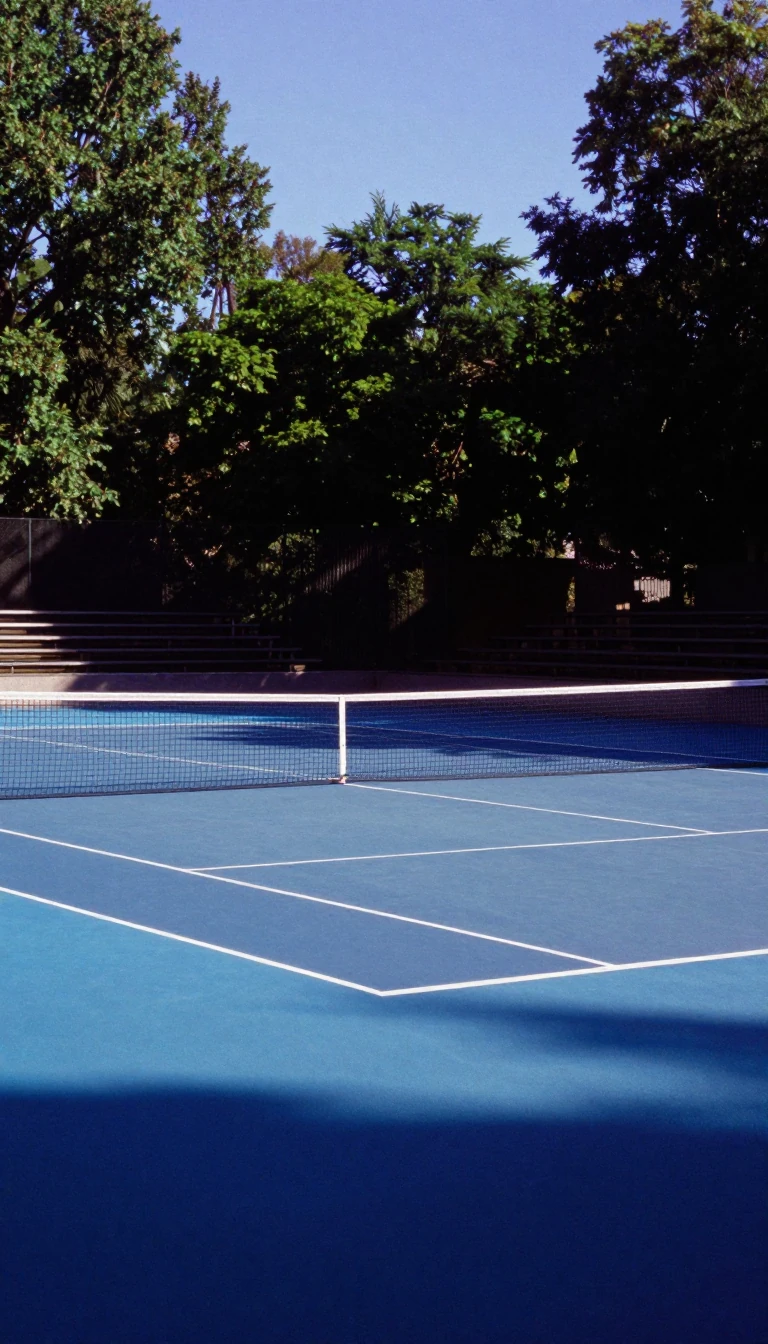 Lawn tennis left Birmingham croquet lawns for the SlamsModern tennis grew from late-nineteenth-century English lawn games, not medieval jeu de paume alone. Harry Gem and Augurio Perera played on a Birmingham croquet lawn; Walter Clopt…
- Why bowlers hook: the lane is too narrow for a straight strikeTenpin bowling sends a ball sixty feet toward ten pins in a triangle. The 41.5-inch lane is so narrow that ideal strike angles need side spin—a hook—not a pure straight shot. Oil …
 Seven shapes, endless clears: Pajitnov’s Soviet puzzle conquered screensTetris drops four-block tetrominoes into a well; complete a horizontal line and it vanishes. Alexey Pajitnov built it in his spare time at a Moscow computing center. Across versio…
 Miyamoto’s childhood cave became a twenty-one-game kingdomThe Legend of Zelda, created by Shigeru Miyamoto and Takashi Tezuka for Nintendo, sends Link—and sometimes Zelda—to stop Ganon from seizing the wish-granting Triforce. Since 1986 …
- From 245 Athens athletes to 11,000-plus under five ringsThe Summer Olympics gather the world every four years. Athens 1896 opened the modern Games; Paris 2024 was the latest chapter. What began as 42 events and under 250 men from 14 na…
 Sumo wins by ring-out or any body part but the solesIn Japan's national sport, a rikishi tries to drive his opponent from the circular dohyō or make any body part but the foot-soles touch the clay. Ritual salt, stable life and cent…
 A Thanksgiving boxing-glove scrap invented indoor baseballSoftball began in Chicago on Thanksgiving Day 1887 when a Yale–Harvard football argument ended with a glove thrown, a stick swung, and reporter George Hancock yelling "Play ball!"…
 Long track is 400 metres; short track packs chaos into 111Speed skating races timed distances on ice in three main families: long-track, short-track and marathon. The International Skating Union, founded in 1892 as the first winter-sport…
 Gyroscopic toys older than written history still teach colourA spinning top is a squat body on a sharp tip that stays upright through gyroscopic balance. Wound with string, twirled by fingers, or driven by an auger, it wobbles, steadies, th…
- Sport means play that trains the body—and sometimes the mindA sport is an organised physical game that builds skill, offers fun and can pack stadiums. Running is the world's most accessible practice; association football is the leading spe…
- Athletics is running, jumping, throwing—human speed made measurableAthletics gathers competitive running, jumping and throwing into track and field, road races, cross country and race walking. Cheap to stage and easy to grasp, it is among the wor…
- Sporting goods are tools that also rewrite athletic limitsSports equipment—balls, nets, rackets, helmets, and cleats—is the gear a game cannot run without, and often the gear that keeps bodies intact. Better materials make athletes faste…
 A punctured ball at Harrow "squashed" rackets into squashSquash traps two or four players in a four-walled room with a hollow rubber ball they must keep alive off the front wall. Around 1830 Harrow boys found that a punctured rackets ba…
 Stadium means a 600-foot race—and the bowl that watches itA stadium wraps a field or stage in tiered stands so crowds can see sport or spectacle. The Latin word preserves Greek stadion, a length of about 600 human feet—roughly 180 metres…
 Teddy bears began with Steiff cloth and a Roosevelt cartoonStuffed toys—plushies, soft toys, teddies—are fabric shells filled with soft stuffing, usually shaped like animals or characters. Margarete Steiff's German firm pioneered commerci…