 Intellect Plus
Sport & Games
11,278 cards. Each one is a 40-second story with a five-minute read behind it. Page 186 of 188.
Subtopics: American football · Athletics · Australian rules football · Baseball · Basketball · Chess · Climbing & mountaineering · Cricket · Cycling · Entertainment · Esports · Fitness & training · Football · Games · Golf · Ground transport · Gymnastics · Hockey, netball & volleyball · Horse racing & equestrian · Ice hockey · Individual sports · Maritime transport · Martial arts · Motorsport · Olympic Games · Puzzles · Racket sports · Rugby · Running & marathons · Sailing & rowing · Snooker, darts & bowls · Specific transportation systems · Sports · Sports and recreation · Sports business-people, coaches, and referees · Sports figures · Sports organizations · Sports science · Stadiums & venues · Surfing, skating & extreme sports · Swimming & diving · Team sports · Tennis · Transportation: General · Video games · Winter sports
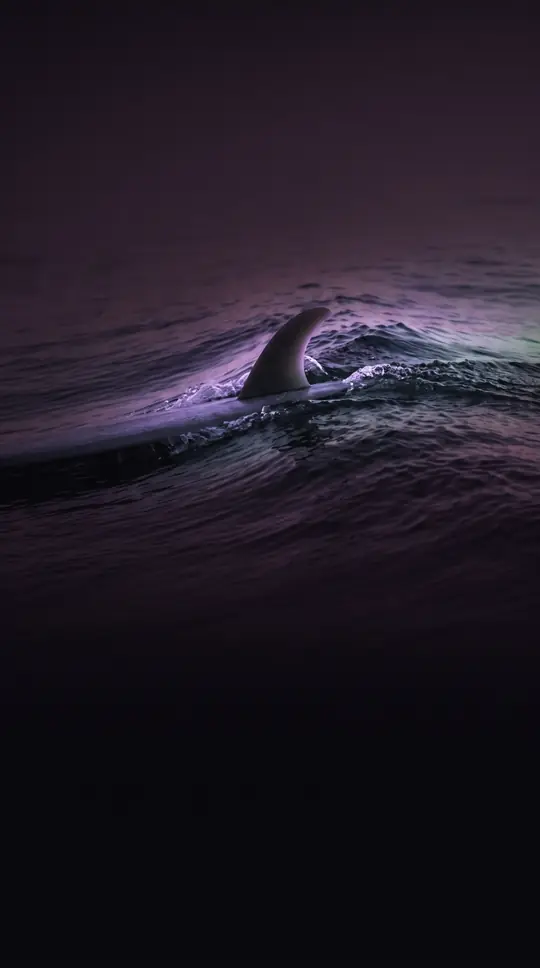 Riding the wave face—from Peru’s reeds to Olympic goldSurfing means riding a moving wave’s forward face on a board—or even without one. Ocean shores dominate, but standing waves, lakes, tidal bores, and pools count too. As of 2023, G…
 Humans float near neutral—then trade drag for thrustSwimming is self-propulsion through water by coordinated limb and body motion. Average human density sits near 0.98 relative to water, so we float—yet every stroke fights viscous …
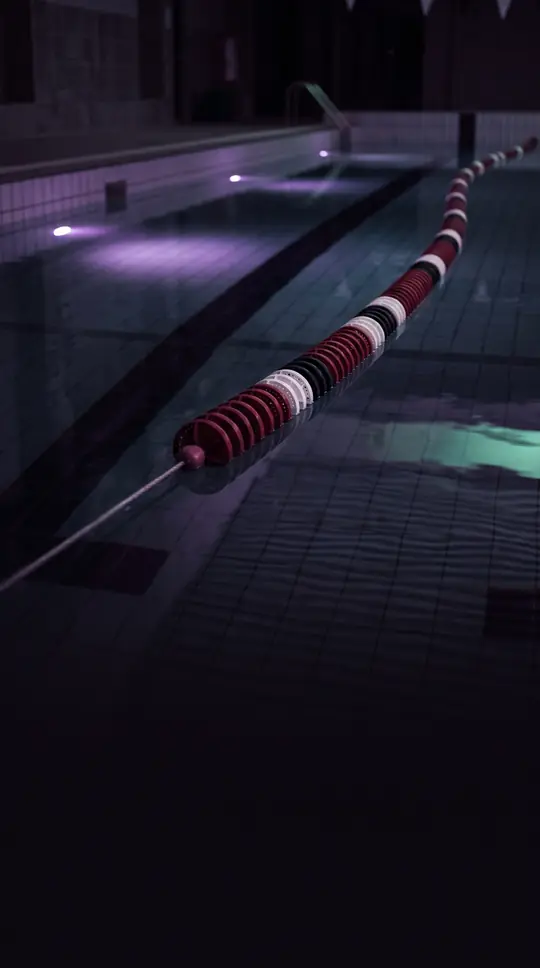
 From Mohenjo-Daro’s Great Bath to a kilometer-long sea poolA swimming pool is a structure built to hold water for swimming. In-ground or above ground, public or private, chlorine or salt—the form is ancient. Guinness ranks Chile’s San Alf…
- Victorian parlour ping-pong became an Olympic spin duelTable tennis—also called ping-pong—shrinks tennis onto a stationary table. Tiny rackets smack a light hollow ball over a low net in blistering exchanges where spin rules the fligh…
 Korea’s foot-and-fist way split into sport and traditionTaekwondo is a Korean martial art built mainly on kicks and punches—tae foot, kwon fist, do the way. Born in mid-twentieth-century kwans after Japanese occupation, it now splits b…
 Touch and you’re “it”—a chase older than empiresTag is the playground chase where one player tries to touch others and pass on being “it.” No teams, scores, or gear required—yet variants fill continents, from Yorkshire “tig” to…
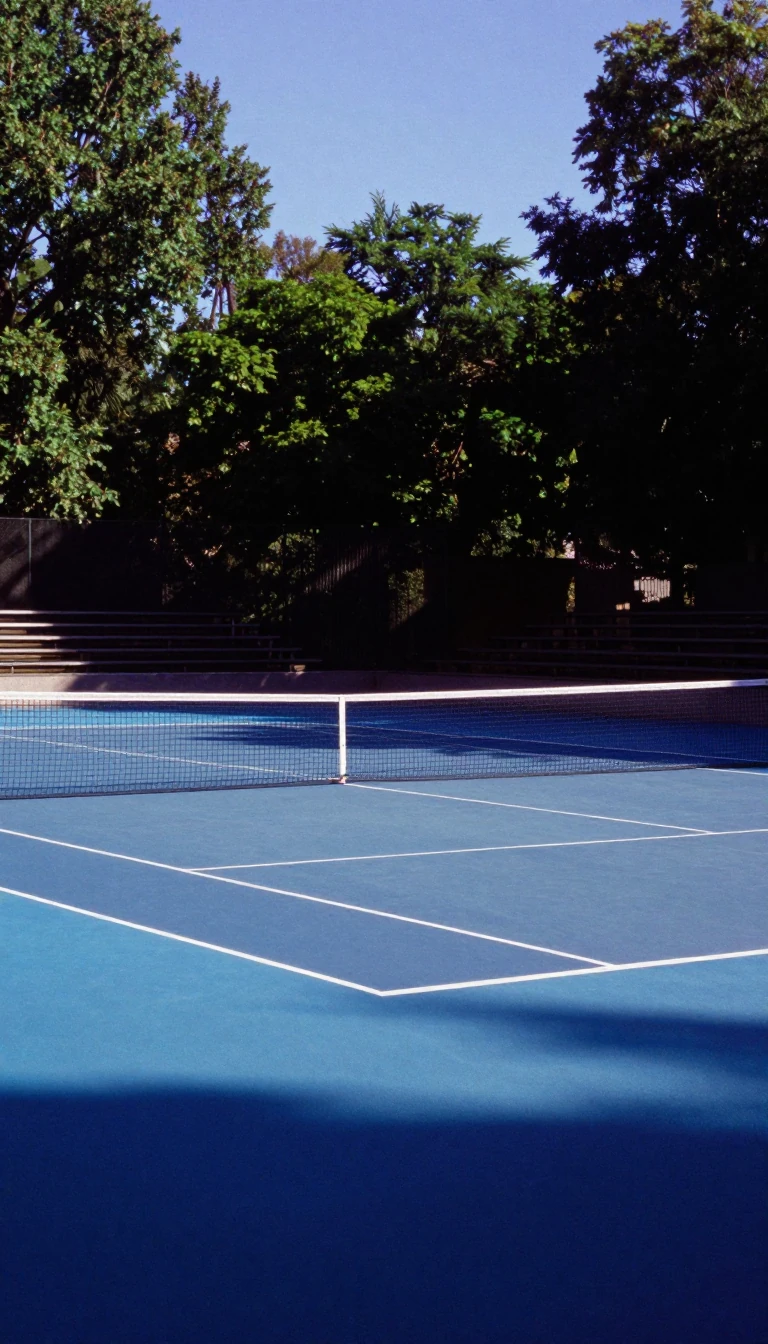 Lawn tennis left Birmingham croquet lawns for the SlamsModern tennis grew from late-nineteenth-century English lawn games, not medieval jeu de paume alone. Harry Gem and Augurio Perera played on a Birmingham croquet lawn; Walter Clopt…
- Why bowlers hook: the lane is too narrow for a straight strikeTenpin bowling sends a ball sixty feet toward ten pins in a triangle. The 41.5-inch lane is so narrow that ideal strike angles need side spin—a hook—not a pure straight shot. Oil …
 Seven shapes, endless clears: Pajitnov’s Soviet puzzle conquered screensTetris drops four-block tetrominoes into a well; complete a horizontal line and it vanishes. Alexey Pajitnov built it in his spare time at a Moscow computing center. Across versio…
 Miyamoto’s childhood cave became a twenty-one-game kingdomThe Legend of Zelda, created by Shigeru Miyamoto and Takashi Tezuka for Nintendo, sends Link—and sometimes Zelda—to stop Ganon from seizing the wish-granting Triforce. Since 1986 …
 From 245 Athens athletes to 11,000-plus under five ringsThe Summer Olympics gather the world every four years. Athens 1896 opened the modern Games; Paris 2024 was the latest chapter. What began as 42 events and under 250 men from 14 na…
 Sumo wins by ring-out or any body part but the solesIn Japan's national sport, a rikishi tries to drive his opponent from the circular dohyō or make any body part but the foot-soles touch the clay. Ritual salt, stable life and cent…
 A Thanksgiving boxing-glove scrap invented indoor baseballSoftball began in Chicago on Thanksgiving Day 1887 when a Yale–Harvard football argument ended with a glove thrown, a stick swung, and reporter George Hancock yelling "Play ball!"…
 Long track is 400 metres; short track packs chaos into 111Speed skating races timed distances on ice in three main families: long-track, short-track and marathon. The International Skating Union, founded in 1892 as the first winter-sport…
 Gyroscopic toys older than written history still teach colourA spinning top is a squat body on a sharp tip that stays upright through gyroscopic balance. Wound with string, twirled by fingers, or driven by an auger, it wobbles, steadies, th…
 Sport means play that trains the body—and sometimes the mindA sport is an organised physical game that builds skill, offers fun and can pack stadiums. Running is the world's most accessible practice; association football is the leading spe…
 Athletics is running, jumping, throwing—human speed made measurableAthletics gathers competitive running, jumping and throwing into track and field, road races, cross country and race walking. Cheap to stage and easy to grasp, it is among the wor…
- Sporting goods are tools that also rewrite athletic limitsSports equipment—balls, nets, rackets, helmets, and cleats—is the gear a game cannot run without, and often the gear that keeps bodies intact. Better materials make athletes faste…
 A punctured ball at Harrow "squashed" rackets into squashSquash traps two or four players in a four-walled room with a hollow rubber ball they must keep alive off the front wall. Around 1830 Harrow boys found that a punctured rackets ba…
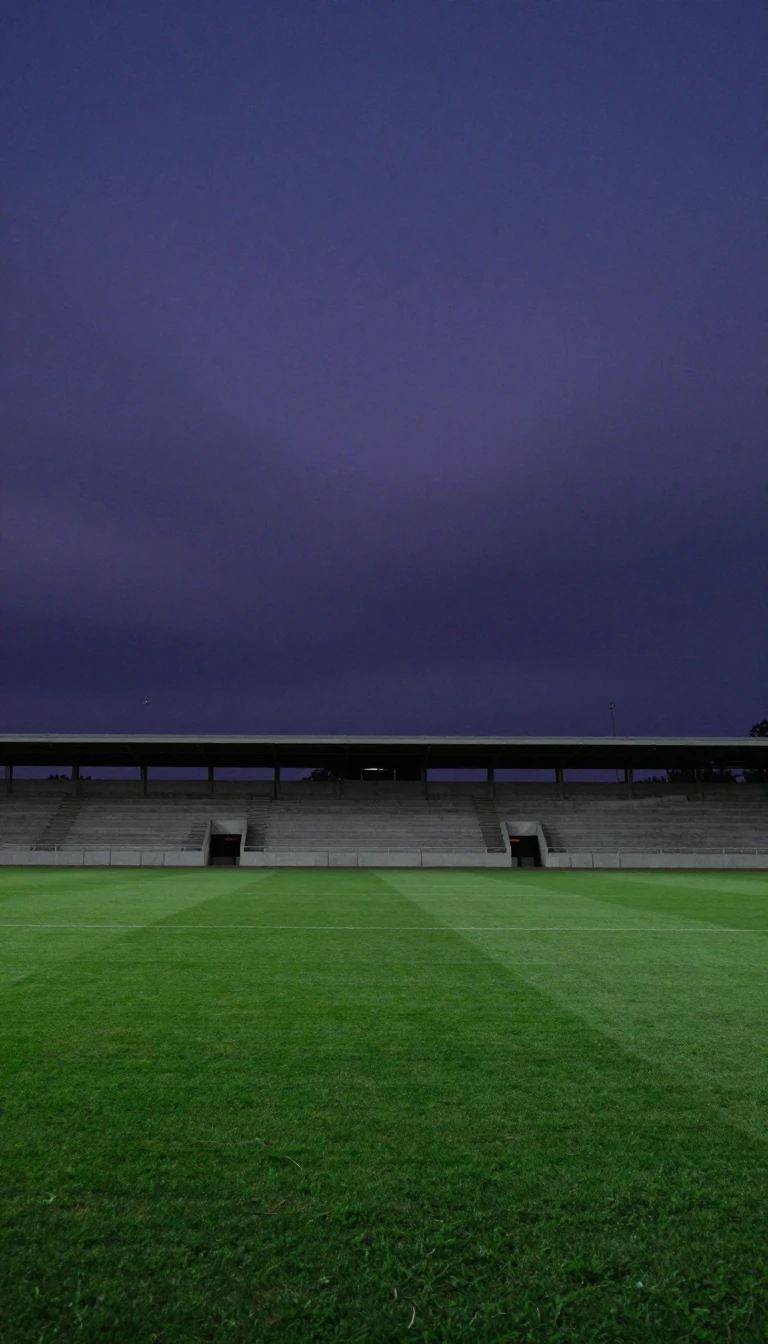 Stadium means a 600-foot race—and the bowl that watches itA stadium wraps a field or stage in tiered stands so crowds can see sport or spectacle. The Latin word preserves Greek stadion, a length of about 600 human feet—roughly 180 metres…
 Teddy bears began with Steiff cloth and a Roosevelt cartoonStuffed toys—plushies, soft toys, teddies—are fabric shells filled with soft stuffing, usually shaped like animals or characters. Margarete Steiff's German firm pioneered commerci…
- Polyurethane wheels revived skateboarding after a 1960s crashSkateboarding began as California “sidewalk surfing” when surfers wanted dry-land thrills. A 2009 estimate put the market near 4.8 billion dollars a year with about 11 million rid…
- V-style ski jumpers fly about ten percent fartherSki jumpers race down a curved in-run, launch from a table, and chase distance plus style points. Norway hosted the first contests in the late 1800s; the sport joined every Winter…
- Heel bindings split alpine skiing from Nordic rootsSkiing means gliding on snow for travel, play, or sport under IOC and FIS umbrellas. The word traces to Old Norse skíð, a split piece of wood. Modern racing split after lifts arri…
- Viking sledges skipped road tolls wheeled carts paidA sled slides on ice or snow via a smooth belly or runners that cut friction. Humans, animals, or engines can pull cargo across flats; other designs race downhill for sport. Engli…
 Charles Fey’s Liberty Bell paid ten nickels for three bellsSlot machines—also fruit machines or pokies—are chance games built around spinning reels. Modern cabinets hide random-number generators behind buttons and touchscreens, yet many k…
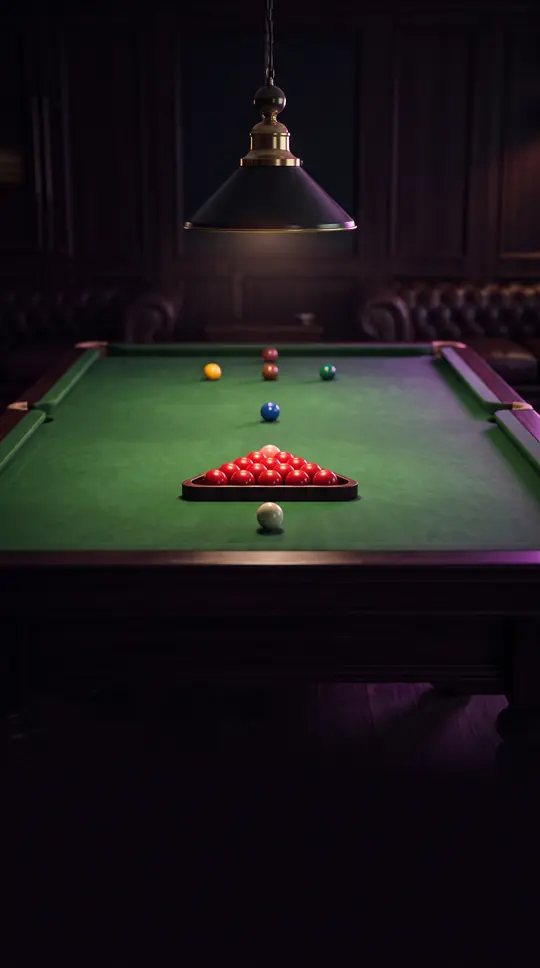
- BBC colour TV made Pot Black a snooker phenomenonSnooker is a cue game on a baize table with twenty-two balls: fifteen reds, six colours, and a white cue ball. British officers in India shaped its rules in the late 1800s. Matche…
- Snurfers sold a million before modern snowboards existedSnowboarding means riding a single board downhill with both feet bound on. Sherm Poppen’s 1965 Michigan “snurfer” toy sparked the boom; Olympic medals arrived at Nagano in 1998, a…
 Pinewood Derby cars tip the scales at five ounces maxA scale model mirrors a full-size prototype in geometry, usually shrunk, sometimes enlarged for tiny originals. Hobbyists assemble kits, scratch-build, or collect finished pieces;…
 Butts counted newspaper letters to price Scrabble tilesTwo to four players score by laying letter tiles on a 15-by-15 board so words read like a crossword. Architect Alfred Mosher Butts invented the game in 1931; by 2008 roughly 150 m…
 Olympic shooting awards the Games’ first medalsShooting sports test accuracy, precision, and speed with firearms, airguns, and sometimes bows. Events sort by gear, distance, targets, timing, and athleticism, usually on ranges …
 Spin putters finally cracked Olympic women’s finals in 2016Shot put asks athletes to shove a heavy metal sphere as far as possible from a 2.135-metre circle. Men have contested it at every modern Olympics since 1896; women joined in 1948.…
- Plimpton’s 1863 quads finally let skaters carve curvesRoller skating means travelling on wheeled skates—for play, sport, or transport—on rinks, parks, streets, and paths. Eighteenth-century stages used early skates as ice substitutes…
 One green zero versus two: the house edge you chooseRoulette—French for “little wheel”—lets players bet on a number, a cluster, red or black, odd or even, or high or low. A croupier spins the wheel one way and a ball the other unti…
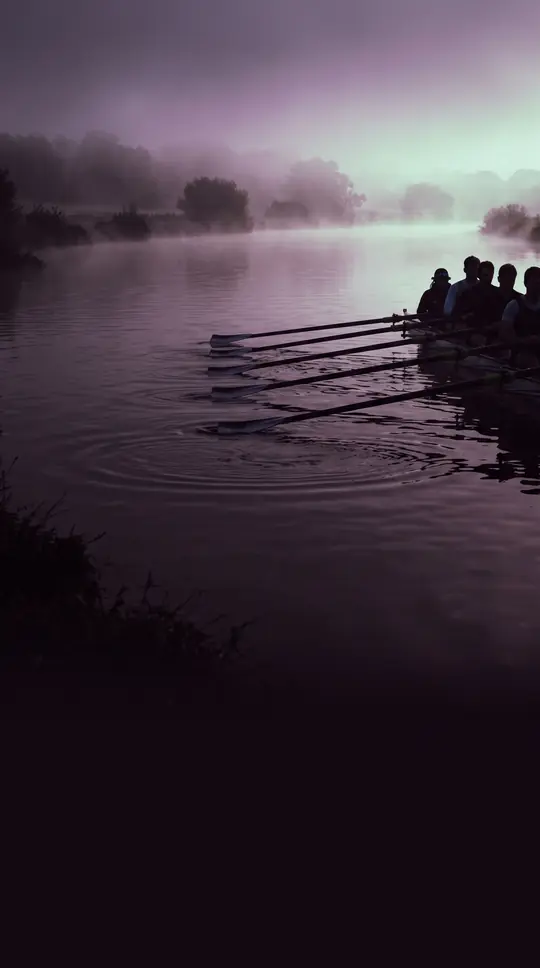 Sculling means two oars; sweeping means one shared gripRowing—called crew in the United States—races boats with oars locked in rowlocks, unlike free paddles. Scullers hold two oars; sweep rowers share one oar with both hands. Elite ch…
 Rubik scrambled his own invention and needed a monthErnő Rubik, a Hungarian architecture professor and sculptor, invented the 3×3×3 combination puzzle in 1974 as a Magic Cube—first to solve a structural puzzle of rotating layers th…
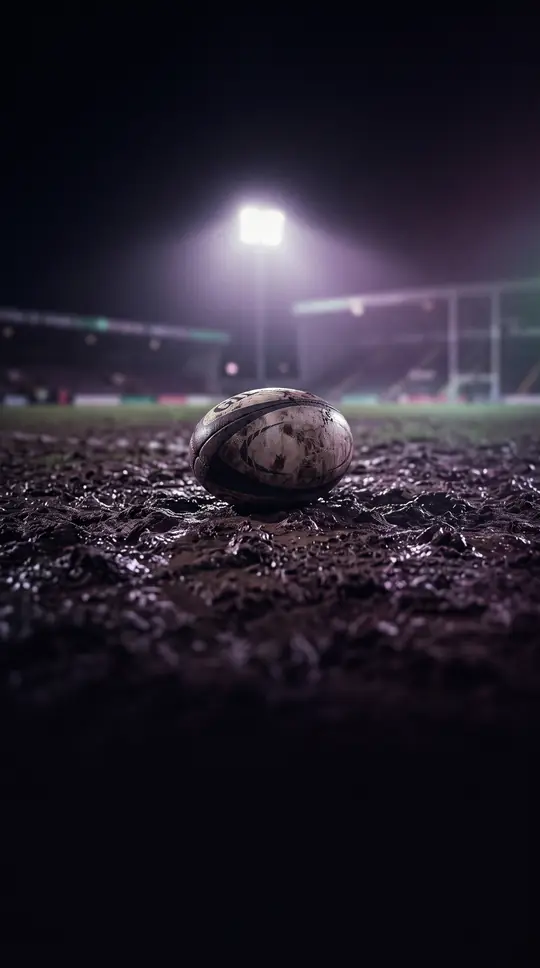
 One school game split into two codes a century apartRugby football grew at Rugby School in Warwickshire, where written rules appeared in 1845 after decades of handling-friendly play. In 1895 twenty-one northern English clubs left t…
- Huddersfield’s 1895 split built a thirteen-a-side gameRugby league fields two teams of thirteen on a pitch about 68 metres wide and 112–122 metres long with H-shaped posts. It was born in Huddersfield, West Yorkshire, in 1895 when no…
 Seven players, seven minutes: Melrose still hosts the originalRugby sevens shrinks union to seven players and seven-minute halves instead of fifteen players and forty-minute halves. World Rugby runs the code on a full-sized pitch. Invented i…
- Fifteen-a-side rugby turned professional overnight in 1995Rugby union pits two teams of fifteen on a rectangular pitch with H-shaped posts and an oval ball, scoring tries, conversions, penalties, and drop goals. Born at Rugby School in t…
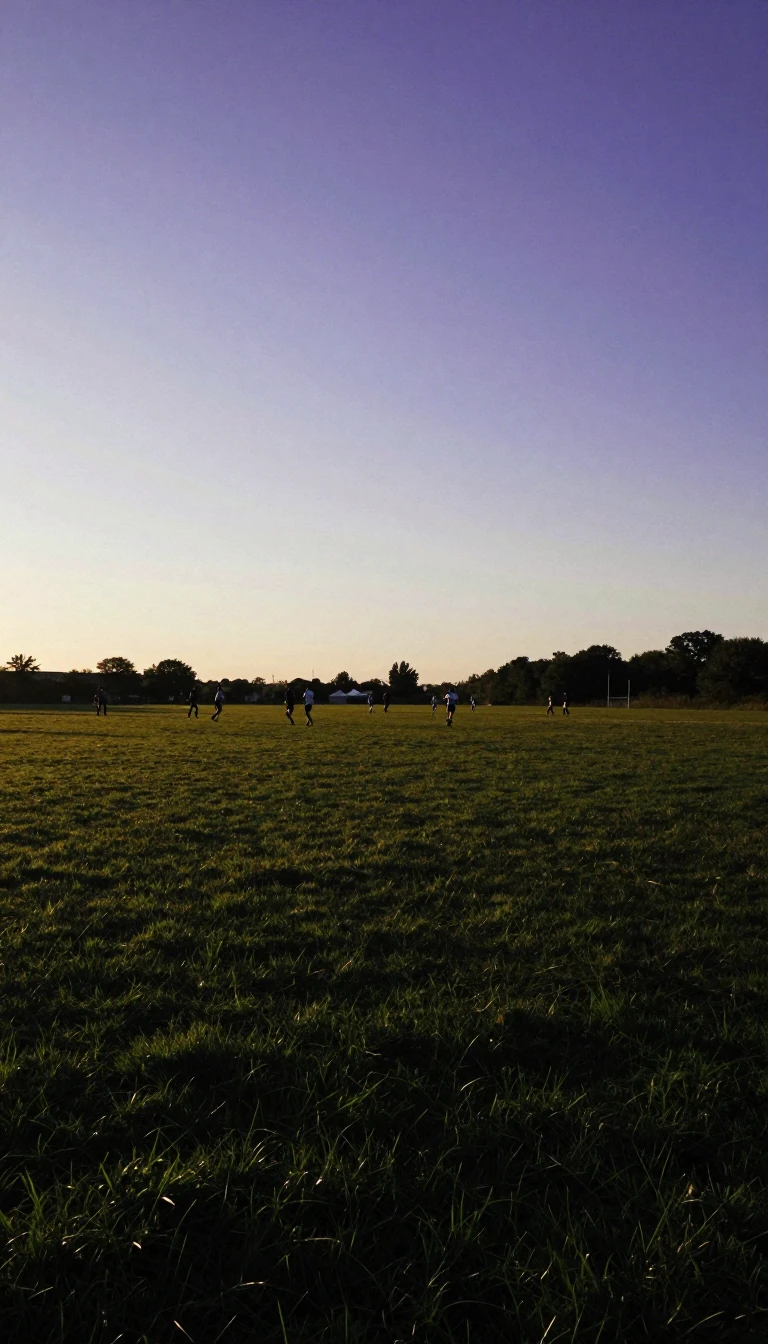 South Africa’s fourth Webb Ellis Cup sealed 2023The Men’s Rugby World Cup gathers top rugby union nations every four years under World Rugby. Champions lift the Webb Ellis Cup, named for the schoolboy legend who supposedly pick…
 Running floats: both feet leave the ground each strideRunning is fast foot travel with an aerial phase when both feet leave the ground—unlike walking, where one foot always stays down. Speeds span jogging to sprinting, yet each strid…
- Barcolana once lined up 2,689 boats for one startCompetitive sailing covers fleet races, pair match races, and team contests, plus outright speed records, on closed courses or point-to-point routes from harbours to oceans. Craft…
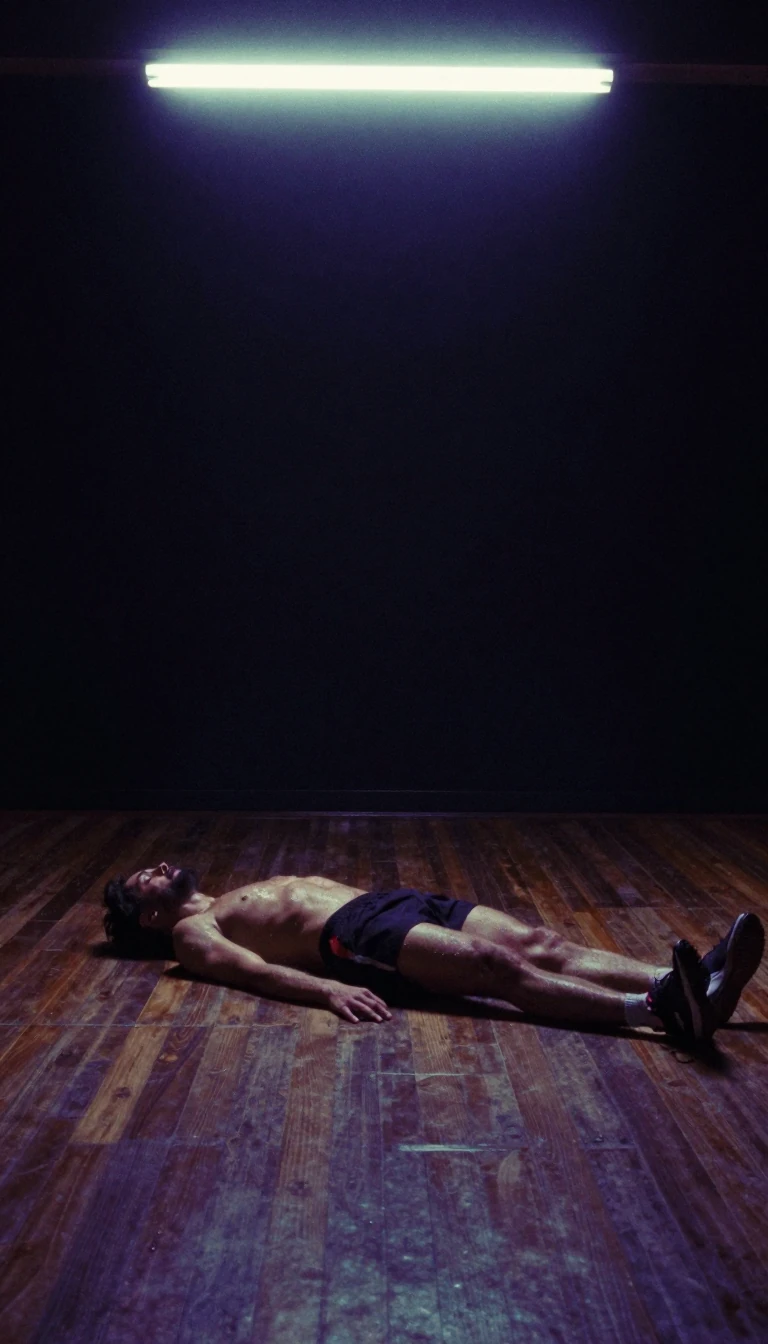 Powerlifting crowns squat, bench, and deadlift maxesPowerlifting asks athletes for three maximal single attempts each on squat, bench press, and deadlift—odd-lift roots refined into a strength sport. Lifters compete raw or equipped…
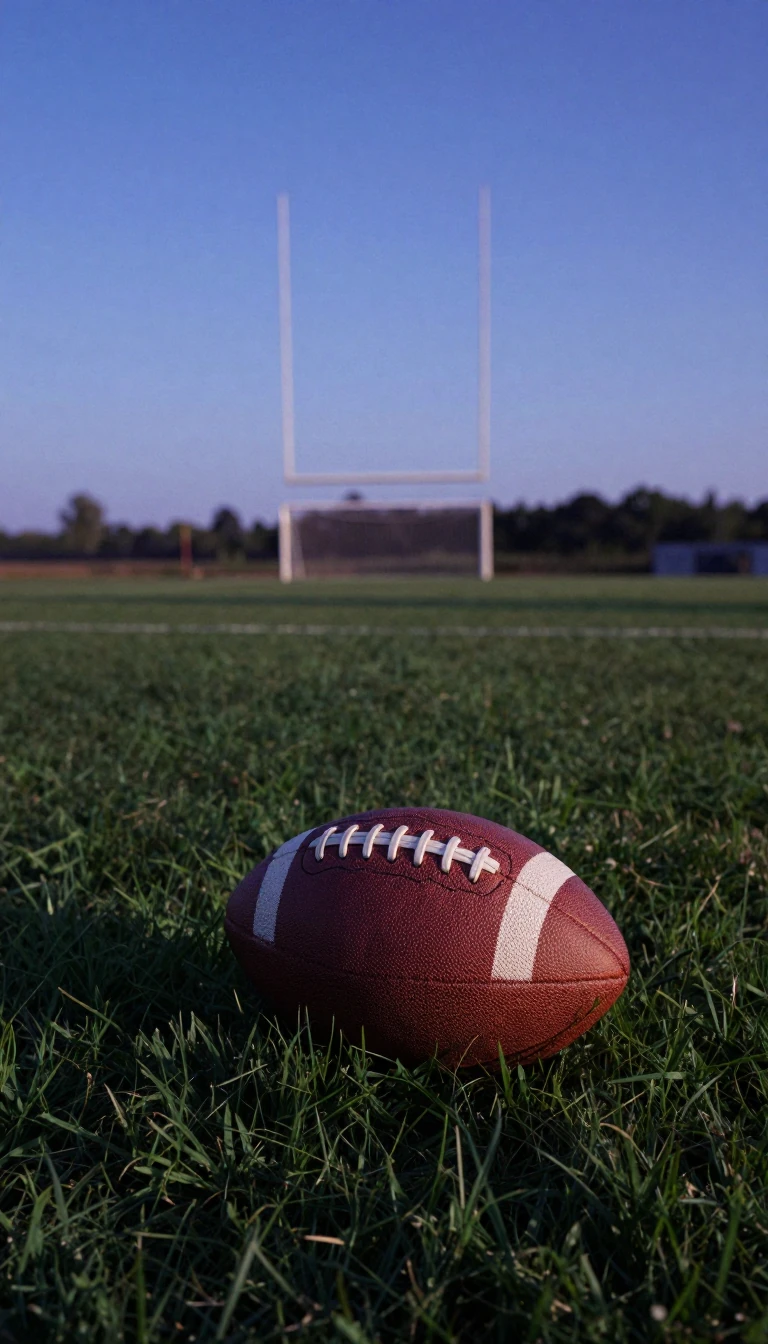 England’s top clubs founded the Premier League in 1992England’s top flight fields twenty clubs with promotion and relegation against the EFL, typically from August to May for thirty-eight matches apiece. Breakaway First Division side…
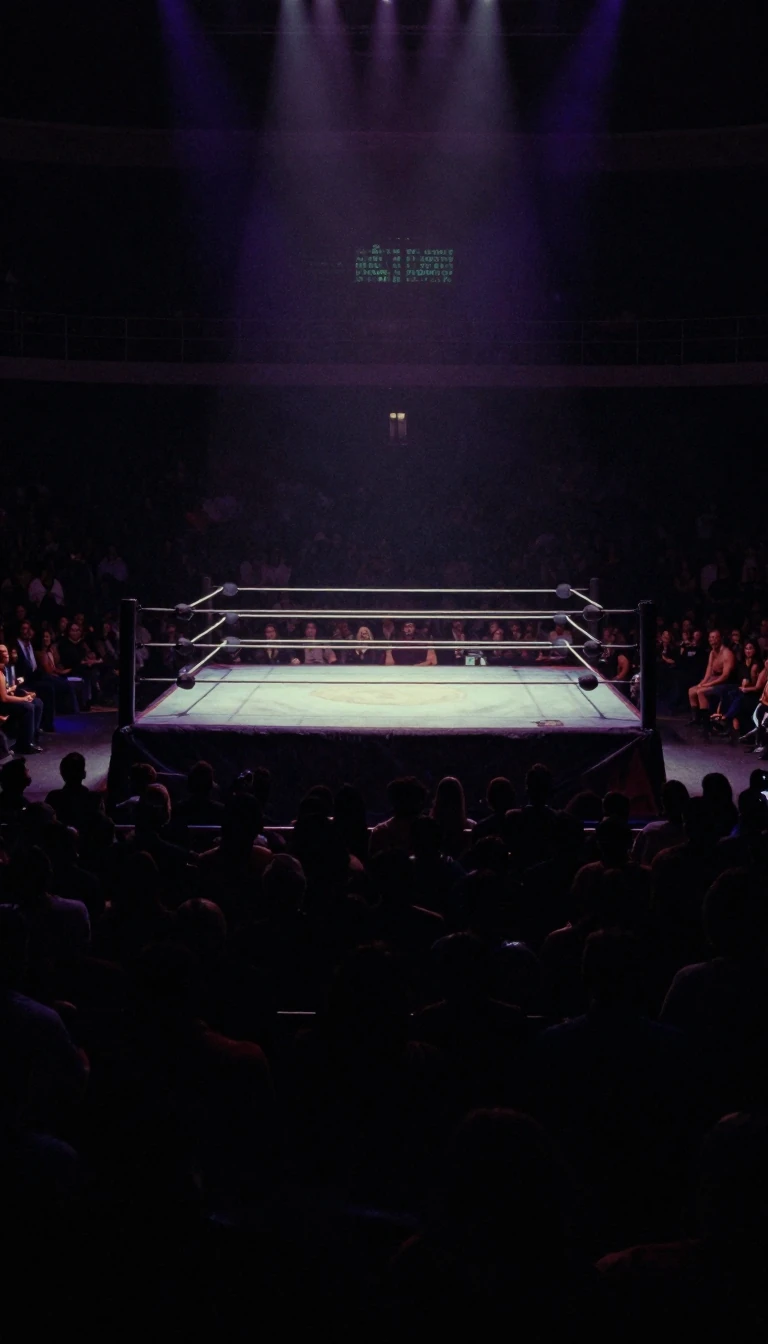 Pro wrestling sells athletic theater, not open competitionProfessional wrestling is athletic theater staged as combat, with scripted outcomes kept quiet when fixing was scandalous. Promotions act like production houses, building a slang-…
- Puzzle began as a verb for bafflement in the 1590sPuzzles dare you to restore hidden order—whether sliding wood, chasing a proof, or answering a riddle of logic. Most exist for play, yet a few begin as stubborn mathematical quest…
- Quiz once meant eccentric person before it meant questionsA quiz is a mind sport of answering questions on one or many topics—also a short classroom check. The word appears by 1780 with unknown origin, perhaps student slang, first denoti…
 Recreation entered English as refreshment for the sickRecreation is leisure done for enjoyment—fun as a biological need to do something restorative. English borrowed the term in the late fourteenth century for refreshing or curing th…
 Riddles share a Germanic root with the verb to readA riddle cloaks meaning in a statement or question meant to be solved—enigmas in metaphor, conundra in punning play. Archer Taylor called riddling a near-universal art across cult…
- Organised road racing rolled out of 1868 Paris–RouenRoad bicycle racing covers paved-road cycle sport—the most popular professional cycling form by riders, races, and fans. Mass starts and time trials dominate. Modern organised rac…
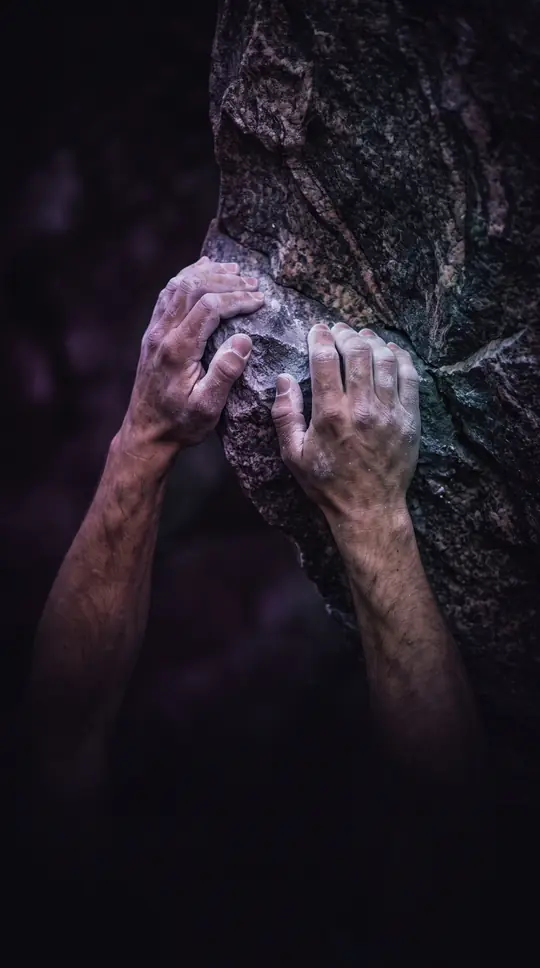 Fontainebleau boulders helped invent modern climbing stylesRock climbing ascends natural crags or indoor resin walls, with routes logged in guides and databases noting beta and first ascents. Lines run from a few metres to over 1,000 m hi…
 Rodeo began as Spanish American cattle round-up skillRodeo is competitive equestrian sport grown from Spanish and Mexican cattle herding, later spreading across the Americas. The English word arrives from Spanish rodeo, “round up,” …
- Tabletop RPGs turn make-believe into persistent story rulesRole-playing games cast players as characters in a fictional world, deciding actions through talk, live play, or screens. Tabletop RPGs run on discussion; LARPs add physical actin…
 Fiberglass vaulting poles were old news when they made headlines in 1962American newspapers made a fuss over fiberglass vaulting poles in the early 1960s, after John Uelses set a world best with one in February 1962. Yet Herb Jenks had been making the…
 The clubs suit in playing cards began as Mamluk polo sticksPolo was so beloved by the Mamluk elite of Egypt and the Levant that polo sticks became a suit in their playing cards. Europeans, who barely knew the game, turned those sticks int…
- Pool's name may trace to a medieval game of stoning a chickenNobody knows for sure why pool is called pool. One theory from the Oxford English Dictionary points to the French poule, hen, and a medieval game in which players chipped into a s…
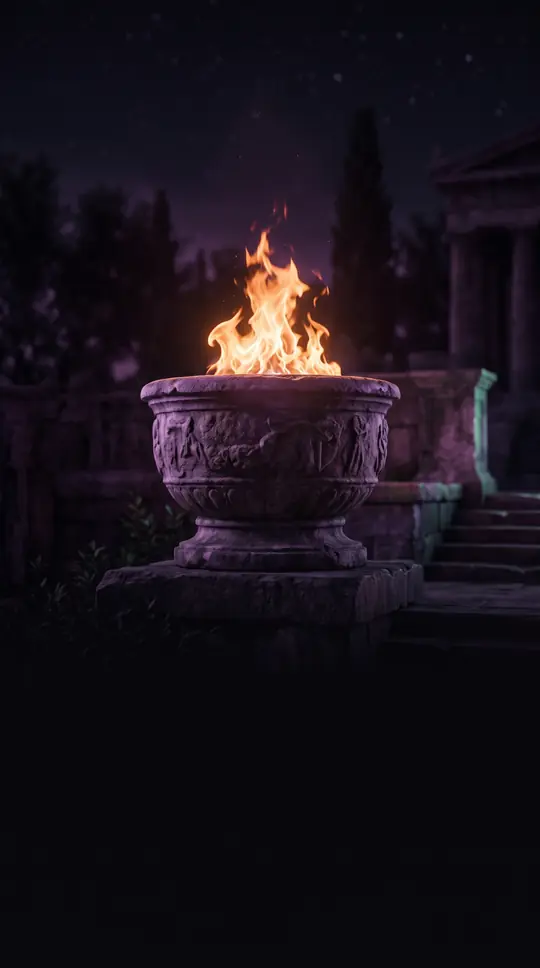 The Paralympic torch now starts at a hospital in Stoke MandevilleOlympic flames are lit at Olympia; from 2024, Paralympic torch relays officially begin at Stoke Mandeville, the English hospital where Ludwig Guttmann held a wheelchair competitio…
- Birthday parties for ordinary Americans only caught on in the 1800sThroughout history the rich and powerful threw themselves birthday parties, but the custom reached middle-class Americans only around the 19th century and settled into its familia…
- Pinball's plunger first appeared on a European game misnamed Japanese billiardsThe spring-loaded plunger that launches a pinball has a long pedigree. It first appeared on a bagatelle game called Japanese billiards in the mid-to-late 1700s, replacing the cue,…