Why your computer's font menu is a direct descendant of 19th-century metal casting
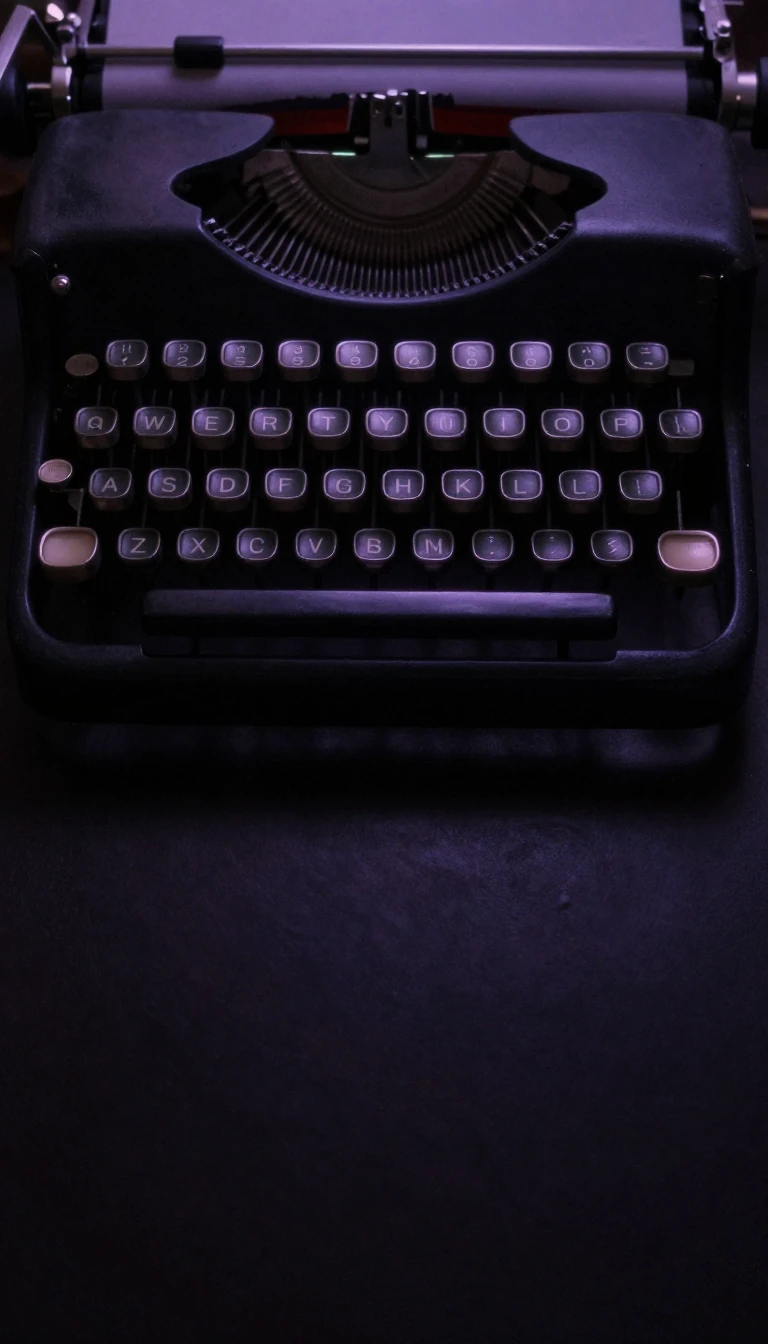
In short: Typesetting once required manual labor, where workers physically arranged backwards metal letters into trays. Today, this craft has evolved into digital code, yet the core principles of layout, spacing, and structure remain rooted in the mechanical constraints and specialized terminology of the letterpress era that defined publishing for centuries.
Before the digital age, typesetting was a physical, labor-intensive craft. Compositors manually selected individual metal 'sorts' from a case, arranging them backwards in a composing stick to form lines of text. This process was so precise that errors in sorting—placing a 'p' in a 'b' compartment, for example—led to inevitable misprints. The physical nature of this work is immortalized in the phrase 'mind your p's and q's,' a warning to avoid confusing the mirrored characters in a compositor's tray.
The 19th century brought mechanical innovations like the Linotype machine, which cast entire lines of metal type at once, revolutionizing newspapers. By the 1960s, phototypesetting replaced hot metal, using light to expose characters onto film. This 'cold type' era eventually gave way to the 1980s digital revolution, where raster image processors rendered pages as high-resolution images. This shift moved typesetting from specialized factories to desktop computers, democratizing design but creating a new divide between professional typographers and casual users.
Modern digital typesetting relies on markup languages and engines that trace their lineage back to early systems like IBM's SCRIPT and Bell Labs' troff. Donald Knuth’s TeX, developed in the late 1970s, remains a gold standard for complex mathematical typesetting, while LaTeX simplified document structure for academics. Today, tools like Adobe InDesign and open-source systems like SILE continue to build upon these foundational algorithms, balancing the automated power of software with the enduring aesthetic requirements of professional publishing.
Opens the Intellect+ feed with this card first. Swipe up for the next one.
Sources
- Summary by Intellect · source: Typesetting
To cite this card, link to https://intellectplus.co.uk/app/technology-typesetting.
How we source, check and correct cards: Editorial standards.
General information, not professional advice. Spotted an error? Flag the card or see corrections and complaints.
Intellect Plus is a visual educational discovery platform for exploring fascinating facts and ideas. Brain Food, Not Brain Rot. What is Intellect Plus?
Related
More in Media and communication · More in Technology · Latest · A–Z · All topics
