How a loop of tape changed the architecture of modern music
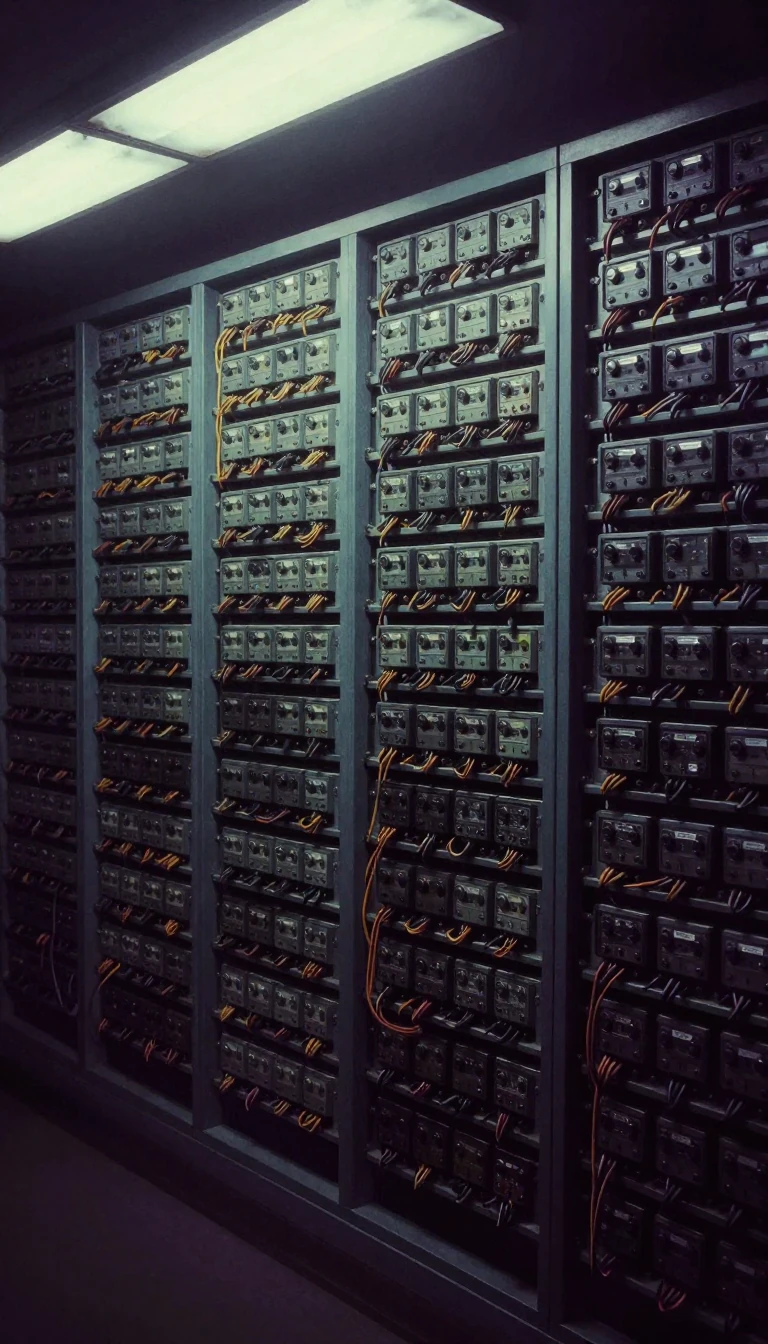
In short: Before musicians could manipulate time with a simple pedal, they had to physically move magnetic tape across metal heads. This mechanical process birthed the echo effect, transforming live performances into layered textures and allowing artists to weave complex rhythmic patterns that would be impossible to play by hand.
The fundamental mechanism of delay involves recording an input signal to a storage medium and playing it back after a specific interval. When this delayed audio is mixed with the original, it creates an echo. By feeding the playback back into the recording source, engineers can create repeating, decaying echoes. While we now use digital buffers, early pioneers in the 1940s and 1950s relied on tape loops. Composers of musique concrète, like Pierre Schaeffer and Karlheinz Stockhausen, used these improvised reel-to-reel systems to process live performances into complex sonic structures.
The transition from mechanical to electronic hardware was marked by several distinct eras. In 1954, producer Sam Phillips famously used two Ampex tape recorders to create the 'slapback' echo for Elvis Presley. By the 1970s, analog units like the Roland RE-201 refined these effects by reducing noise and allowing for pitch-shifting through variable tape speeds. A unique alternative emerged with the oil-can method: a rotating aluminum disc coated in carbon particles acted as thousands of tiny capacitors to hold an electrostatic charge, creating a whimsical vibrato effect.
The digital revolution began in 1971 with rack-mounted units like the Eventide DDL 1745. By 1984, the first digital delay pedal, the Boss DD-2, made these capabilities portable. Today, software plugins offer nearly infinite memory and flexibility, allowing for random delays or complex feedback paths. From the 'Frippertronics' of Robert Fripp to the synth-like pads of The Edge, delay remains a primary tool for building dense musical textures that transcend human physical limits.
theme human-achievement mood reflective difficulty ,2 topics [ audio-technology music-history signal-processing
Opens the Intellect+ feed with this card first. Swipe up for the next one.
Sources
- Summary by Intellect · source: Delay (audio effect)
To cite this card, link to https://intellectplus.co.uk/app/technology-delay-audio-effect.
How we source, check and correct cards: Editorial standards.
General information, not professional advice. Spotted an error? Flag the card or see corrections and complaints.
Intellect Plus is a visual educational discovery platform for exploring fascinating facts and ideas. Brain Food, Not Brain Rot. What is Intellect Plus?
Related
More in Sound & audio technology · More in Technology · Latest · A–Z · All topics
