The invisible musicians: how backing tracks shape the live stage
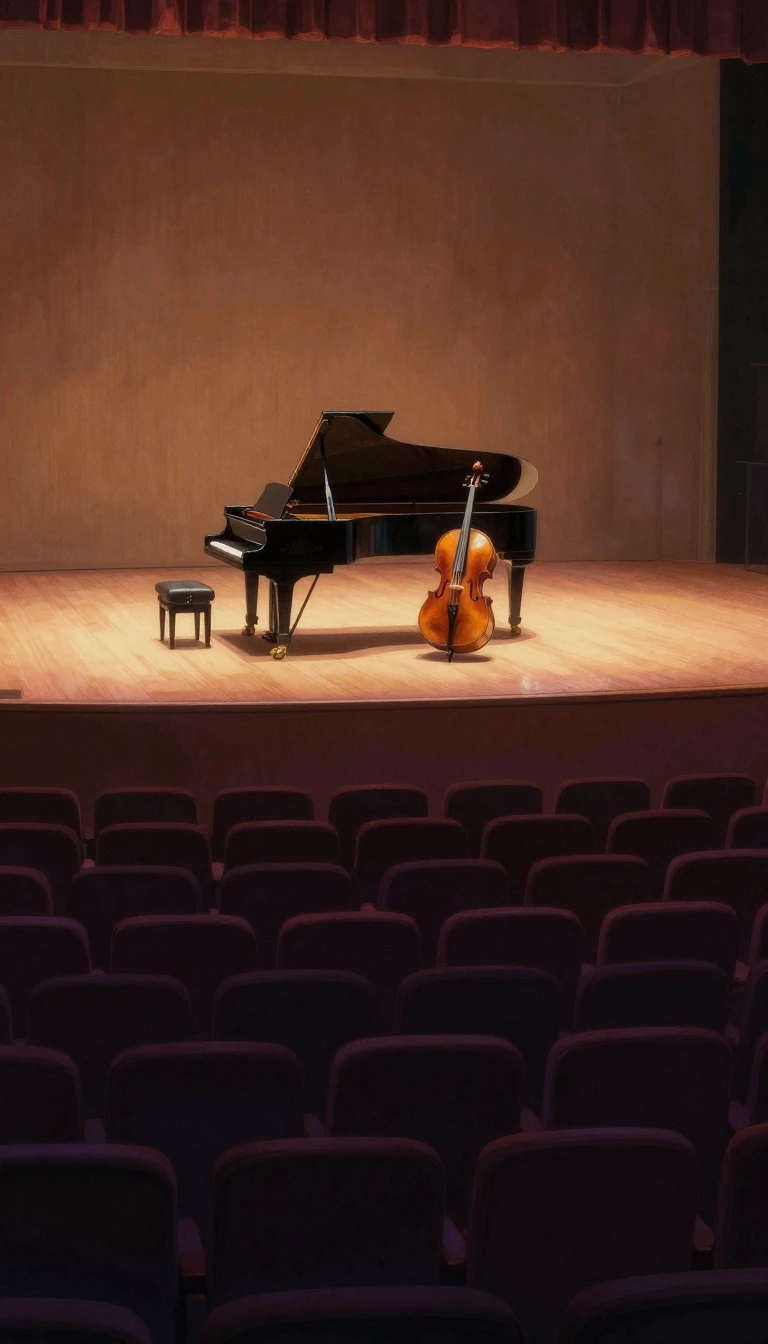
In short: From a boombox in 1980s Austin to complex neural networks, backing tracks have redefined what it means to perform live. They allow a single person to sound like a symphony, but they also spark a fierce debate over the honesty of musical performance.
Backing tracks serve as a versatile tool for musical expansion, enabling performers to incorporate elements that are physically impossible or financially prohibitive to replicate live. A solo artist can use them to simulate a full rhythm section of bass, drums, and keyboards, while a small rock group might use them to add costly string or horn sections. In electronic music, tracks are often essential because certain programmed parts are too fast or complex for a human to play in real-time. Beyond enhancement, they are sometimes mandated by television programs to simplify the mixing process for reality TV singing competitions.
The technology has evolved from physical media to digital precision. Before computers, bands synced audio tape to their live sets; Timbuk 3 famously displayed their 'boom-box' as a band member in the 1980s. The 1990s saw the rise of digital sequencers and desktop computers, like those used by Sparks in 1994, eventually leading to modern digital audio workstations. Modern performances featuring bigger groups often depend on integrated sound module hardware for MIDI and audio, whereas minor shows may employ MP3 players or CDs.
The use of these tracks is a point of contention in the music industry. Critics and fans often view them as a threat to the 'integrity' of a live show, with the harshest judgment reserved for tracks that replace most of a band's performance. However, many artists defend the practice as a necessity for sonic quality. For example, the Pet Shop Boys argue that electronic music would sound 'sloppy' without them, and Roger Waters has used pre-recorded vocals to preserve his voice during tours. This tension highlights a fundamental question in modern music: where does the machine end and the performer begin?
Opens the Intellect+ feed with this card first. Swipe up for the next one.
Sources
- Summary by Intellect · source: Backing track
To cite this card, link to https://intellectplus.co.uk/app/technology-backing-track.
How we source, check and correct cards: Editorial standards.
General information, not professional advice. Spotted an error? Flag the card or see corrections and complaints.
Intellect Plus is a visual educational discovery platform for exploring fascinating facts and ideas. Brain Food, Not Brain Rot. What is Intellect Plus?
Related
More in Sound & audio technology · More in Technology · Latest · A–Z · All topics
