 Intellect Plus
Cards starting with H
40,576 cards. Page 463 of 677.
 How composers use musical jokes to prank our emotionsFrom the playful scherzo to the slapstick timing of Tom & Jerry, music has long been a vehicle for humor. Whether through absurdities, cruel jibes, or technical in-jokes, composer…
 How composers use the spacing of notes to manipulate your emotionsThe notes in a chord are not just pitches; their vertical arrangement, known as voicing, dictates the very soul of a piece. From the terrifying gaps in a Beethoven sonata to the m…
 How computational algorithms can boost genomic motif analysis speed and accuracy by 100-fold.George Church demonstrates how refining algorithmic approaches transforms the analysis of genomic motif scores. This lecture from MIT's Genomics and Computational Biology course e…
 How computational biology bridges the gap between digital architecture and complex biological systems.This lecture introduces the foundational computational tools and statistical methods essential for modern genomics. It explores the intersection of computer science and biology, p…
 How computational biology integrates dynamic programming into RNA structural analysisThis lecture from MIT's Genomics and Computational Biology course explores the complexities of RNA structure. It examines how researchers use dynamic programming to model secondar…
 How computational biology uses probabilistic models to decode the secrets of our DNAThis lecture from MIT's 2002 Genomics and Computational Biology course explores the mathematical tools used to compare sequences and identify genes. It provides a foundational loo…
 How computational fluid dynamics models the invisible movement of virus particles in buildingsSteve Mould explains how the Lattice Boltzmann Method and Lagrangian Particle Tracking simulate fluid flow to predict virus movement. This approach, used by Dassault Systèmes to h…
 How computational graphs turn complex calculus into a simple flow of informationThis lecture explains how the chain rule functions within computational graphs. By visualizing calculations as nodes and functions as edges, you can understand the fundamental mec…
 How computer algorithms can generate musical structures through probability and logicThis MIT lecture explores the intersection of computation and music. It introduces the mechanics of algorithmic composition, specifically focusing on Markov chains, and provides a…
 How computer cartography transformed the map from a static image into a living toolFor centuries, maps were static snapshots of the world. Today, they are dynamic, data-driven systems that update in real-time. By integrating satellite imagery, GPS coordinates, a…
 How computer chess evolved from a scientific curiosity to a mundane computing activityOnce dubbed the Drosophila of artificial intelligence, computer chess was the ultimate test of machine logic. Today, the challenge is considered solved. From the vacuum-tube era t…
 How computer chess programs prune away useless branches to find the winning move fasterAlpha–beta pruning is an adversarial search algorithm that slashes the number of game tree nodes evaluated by minimax. By ignoring branches that cannot influence the final outcome…
 How computer code breaks its own rules to jump, loop, and change directionAt its core, programming is a sequential march of commands. Yet, software must often deviate from this path to handle decisions, repetitions, and interruptions. By mastering contr…
 How computer graphics use tree structures to render complex 3D scenes in real timeTo render a 3D scene, a computer must calculate millions of light rays hitting surfaces. Checking every object for every ray is impossible. A Bounding Volume Hierarchy solves this…
 How computer science addresses modern digital threats like ransomware and spywareThis episode of the CS50 podcast explores the technical landscape of contemporary cybersecurity. It examines the mechanisms behind ransomware, the implications of spyware, and the…
 How computer science defines the building blocks of our digital realityComputer science is more than just code; it is a rigorous language of abstraction, efficiency, and logic. From the binary digits that form the foundation of information to the com…
 How computer science solves crimes by analyzing the repeating patterns in human DNAForensic investigators identify individuals by examining specific genetic markers known as Short Tandem Repeats. In this classic computer science assignment, students build a prog…
 How computer scientists map the complex relationships that define our digital world.A graph is more than a drawing; it is a fundamental abstract data type that translates mathematical graph theory into digital architecture. By representing entities as vertices an…
 How computer simulations predict the future behavior of complex, time-varying physical systemsDynamical system simulation uses computer programs to model how state variables change over time. By solving complex differential equations through numerical integration, these si…
 How computer threads avoid chaos when accessing the same shared data simultaneouslyIn concurrent programming, multiple threads often compete for the same resources. Without proper management, this leads to race conditions and corrupted data. Monitors provide a s…
 How computer vision is mapping the hidden depths of the Great Barrier ReefThis video explores the Catlin Seaview Survey, a project using advanced technology to document the Great Barrier Reef. It highlights the collaborative effort between computer scie…
 How computer vision powers the future of autonomous drivingExplore the technical foundations of self-driving cars. This seminar examines how visual recognition and processing enable vehicles to navigate complex environments and avoid coll…
 How computer-controlled tools transform traditional woodworking into high-precision manufacturingJoin general contractor Tom Silva in a San Francisco workshop to witness the creation of a stool using advanced digital fabrication, from 3D CAD design to high-pressure water jet …
 How computerized precision transforms modern woodworking and renovationDiscover how specialized shops use CNC machines to execute elaborate cuts for home features. This video follows Norm Abram as he tours Peter Murray's workshop to see how computeri…
- How computers achieved 99 percent accuracy in identifying everyday objectsA decade ago, distinguishing between a cat and a dog was a monumental hurdle for AI. This video explores the technological leap that allowed computers to master object recognition…
 How computers break down complex matrices to solve systems of linear equations efficientlyLU decomposition is the engine behind many computational tasks, from inverting matrices to calculating determinants. By factoring a square matrix into lower and upper triangular c…
 How computers decide which data to discard when their memory is completely fullWhen a computer cache reaches capacity, it must instantly decide which information to sacrifice to make room for new data. This choice is a high-stakes compromise between speed an…
 How computers distinguish complex structures from simple noisePattern matching is the logic of recognition. It allows systems to scan a sequence of data, identify specific structures, and execute precise actions. From searching for text in a…
 How computers find 'close enough' matches in a world of perfect dataWhen you mistype a search query or a DNA sequence, computers do not simply fail. They employ approximate string matching to navigate the space between exact identities. By calcula…
 How computers find hidden patterns in DNA and clinical careMapping the blueprint of life requires solving a massive puzzle: how do we align sequences that have shifted, mutated, or been deleted over time? The Needleman–Wunsch algorithm pr…
 How computers find needles in haystacks without checking every single characterSearching for a specific pattern within a massive body of text is a fundamental computational challenge. While a naive search might check every index one by one, sophisticated alg…
 How computers juggle multiple tasks without ever actually doing them at the same timeComputers do not truly multitask in the way humans do. Instead, they rapidly switch between programs, interleaving segments of code to keep hardware busy. By exploiting the gap be…
 How computers keep track of time, and why they might stop in 2038Computers do not experience time like humans. Instead, they rely on a system clock that counts ticks since an arbitrary starting point known as the epoch. While this simple mechan…
 How computers learn to speak, translate, and play Jeopardy with human languageComputational linguistics bridges the gap between human communication and machine processing. This seminar introduces the field, exploring how computer science enables intuitive i…
 How computers learn to wait when the world gets too loudWhen a network becomes congested, thousands of devices might try to speak at once, causing a digital traffic jam. To solve this, systems use an algorithm that forces them to wait …
 How computers learned to recognize the human face, from 1960s manual labor to modern AI.Facial recognition has evolved from a slow, manual process requiring human intervention to a sophisticated biometric technology capable of real-time identification. While it now p…
- How computers learned to speak: from rigid rulebooks to neural networksFor decades, scientists tried to teach computers language by hand-coding thousands of grammar rules. It failed until a radical shift toward machine learning and massive data proce…
 How computers make decisions using chained conditional logicExplore the mechanics of if-elif-else statements in Python. This video demonstrates how to trace execution through multiple branches of control flow to understand how a computer s…
 How computers make decisions using conditional logicDiscover the mechanics of branching control flow. This video demonstrates how to trace an if statement to see exactly how a computer determines which line of code to execute next.
 How computers measure the gap between two words using simple mathEver wonder how your phone knows you meant to type a different word? The Levenshtein distance is the secret engine behind spell checkers and search engines. By calculating the min…
 How computers navigate the infinite complexity of finding the right needle in a haystack.Search algorithms are the silent engines of the digital age, powering everything from game theory to industrial optimization. Whether navigating a massive database or solving a co…
 How computers perform multiplication using only simple shifts and binary additionsComputers do not multiply numbers the way humans do. Instead of memorizing tables, they rely on a elegant, mechanical process of shifting and adding binary digits. This fundamenta…
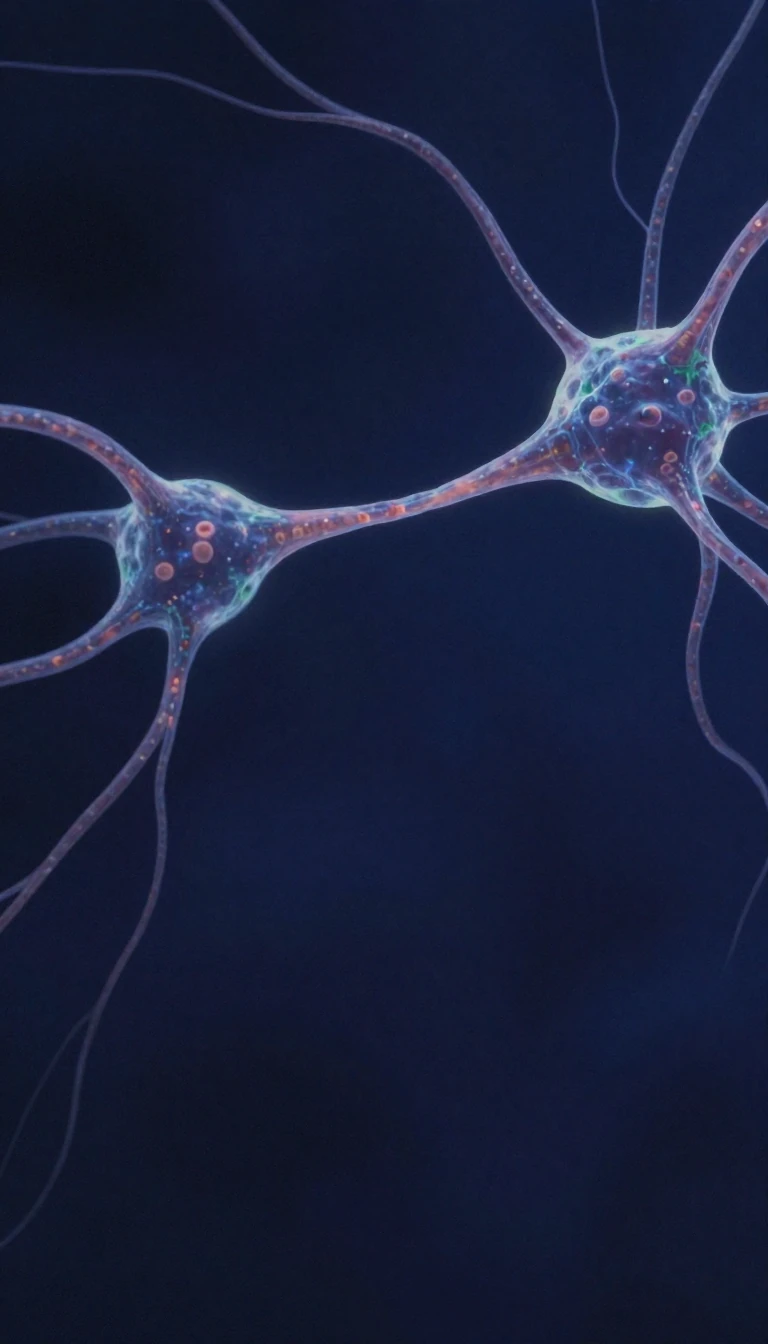 How computers simulate the dance of life at the scale of millions of atomsModern molecular modelling allows scientists to screen millions of compounds and simulate complex biological systems with near-experimental accuracy. By balancing the precision of…
 How computers simulate the way bread breaks apartThis video explores a new method for animating dynamic fractures, allowing researchers to simulate how materials crumble and break with unprecedented realism.
 How computers solve division: from ancient subtraction to high-speed digital logicDivision is more than just long division on paper. Computers use a variety of algorithms to compute quotients and remainders, ranging from slow, iterative methods that produce one…
 How computers store information to mimic the human brainJust as human memory defines our identity and helps us plan for the future, computer memory allows machines to retain information and function effectively. This video explores the…
 How computers take shortcuts when solving complex logic problemsEver wonder how a computer decides the truth of a long string of conditions? This video breaks down the mechanics of compound boolean expressions and reveals the specific optimiza…
 How computers transform abstract mathematical coordinates into the vivid images on your screenRendering is the digital alchemy of turning raw data into visual art. Whether generating a high-speed frame for a video game or a photorealistic scene for cinema, rendering engine…
- How computers transform raw text into meaningful symbolsBefore a large language model can predict the next word, or a compiler can run your code, a hidden process must first break the chaos of raw characters into organized pieces. This…
 How computers translate visual musical scores into digital data for analysisThis MIT lecture explores the intersection of music theory and computational analysis. It examines the technical challenges of optical music recognition and the methods used to co…
 How computers uncover the hidden patterns within musical historyExplore the intersection of computation and musicology. This lecture demonstrates how large-scale data analysis can reveal structural secrets within diverse musical traditions, fr…
 How computers use math to find data instantly within a dictionaryWhen you look up a value in a Python dictionary, the computer doesn't scan every item one by one. Instead, it uses a mathematical shortcut called hashing to transform keys into sp…
 How computing paved the way for the biotech revolutionExplore the unlikely origins and strange evolution of the internet, and how computing advances have fundamentally transformed our world.
 How computing power is revolutionising the way digital fabric movesExplore the technical evolution of cloth simulation through the lens of recent breakthroughs in yarn-level modeling, revealing how much progress has been made in digital physics o…
 How concentration gradients drive the constant motion of our oceansExplore the physics behind one of the primary drivers of oceanic movement. This video explains how oceans engage in a universal struggle for space through the mechanism of concent…
 How conceptual art helps us grasp the scale of deep timeIn this lively TED talk, artist Katie Paterson explores the vast history of Earth through works that span millions of years, challenging our modern short-sightedness.
 How Conchita Martínez used tactical disruption to become a tennis legendNicknamed Señorita Topspin, Conchita Martínez dominated the baseline with a unique style that frustrated opponents and secured her a place in the International Tennis Hall of Fame…
 How Condé Nast revolutionized publishing by targeting readers through their wallets and interestsBefore Condé Nast, publishers chased raw circulation numbers. Nast pioneered a more sophisticated strategy: segmenting audiences by income and specific interests. This shift trans…
 How conductive tissues allowed plants to dominate the planetDiscover why the evolution of vascular tissues was a game-changing breakthrough, enabling plants to grow exponentially larger and spread across the earth long before animals arriv…
 How Conference USA evolved from a 1995 merger into a constantly shifting athletic landscapeFounded in 1995 by merging two non-football conferences, Conference USA has spent three decades in a state of perpetual flux. From surviving mass departures to the Big East and Am…