From ancient terracotta to modern cinema: the enduring rhythm of dance
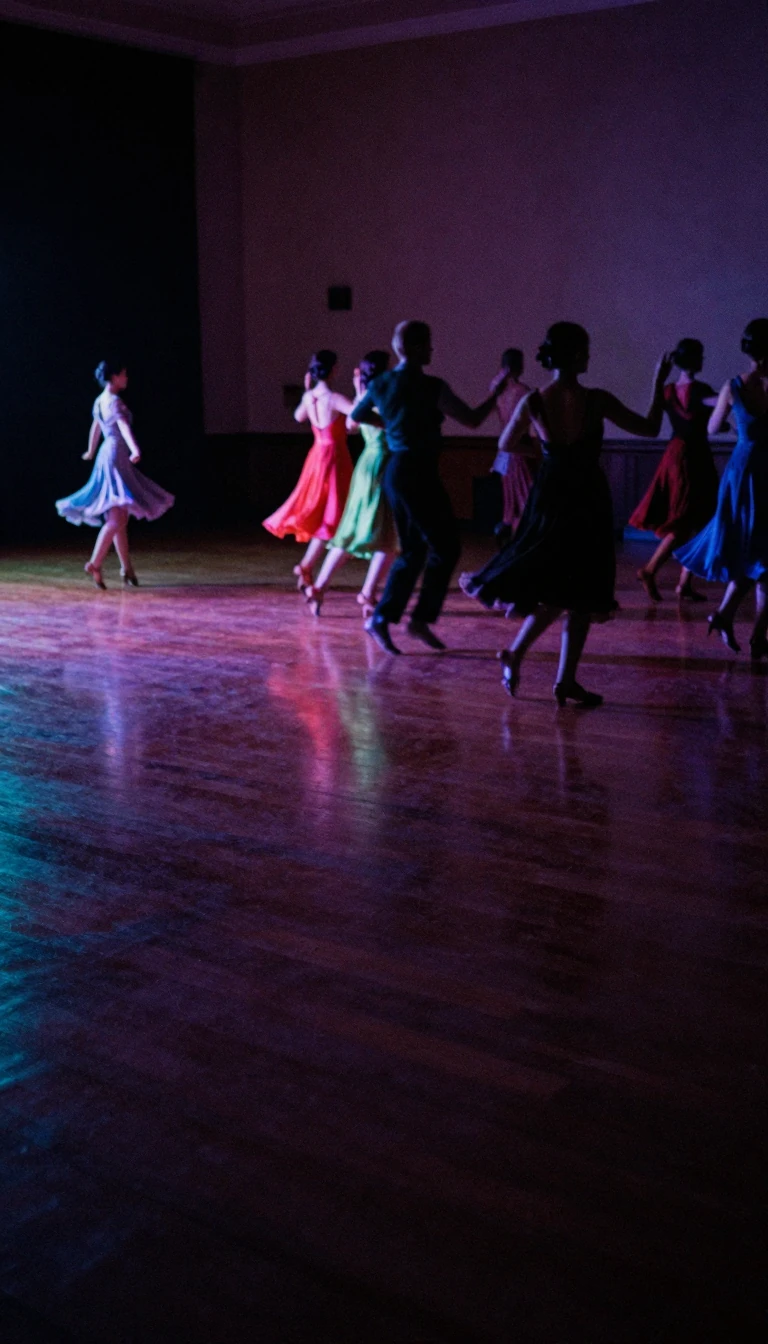
In short: Dance is one of humanity's oldest visual languages, evolving from the black-figure pottery of ancient Greece to the high-octane 3D cinema of modern India. While the mediums change—from fired clay to digital film—the core narrative remains the same: the triumph of movement over discipline.
The visual history of dance is anchored in antiquity. A Greek storage vessel (Pelike) dating from approximately 510-500 BCE showcases the 'black-figure' technique. This process involved applying a refined clay slip to terracotta, which turned black during a complex three-stage firing process that manipulated oxygen levels. On these vessels, artists depicted lively scenes of women dancing with draped fabric, accompanied by musicians playing period-specific instruments like the Barbiton (a small harp-like string instrument) and the aulos (a doubled flute).
In contemporary culture, this narrative of movement has transitioned into massive cinematic productions. The 2013 film 'ABCD: Any Body Can Dance' explores the grueling reality of professional choreography. It follows Vishnu, a former choreographer for the Jehangir Dance Company, who forms the Dhongri Dance Revolution (DDR) to train raw, undisciplined talents. The film highlights the friction between raw ability and the rigorous discipline required for competition, moving from local street performances to a major national stage.
The film serves as a study of the 'underdog' trope, where a diverse group—including a former star dancer, a bar dancer, and a man recovering from drug addiction—must overcome internal rivalries and external social pressures. Despite the conventional narrative structure, the film is noted for its variety of dance styles and its ability to evoke emotional resonance through spontaneous, heartfelt performances. It illustrates how dance functions not just as entertainment, but as a vehicle for community healing and personal transformation.
Whether depicted on a 2,500-year-old storage jar or a 750-screen theatrical release, dance remains a primary method for expressing human rhythm. The transition from the 'black-figure' silhouettes of Athens to the 3D visuals of modern Bollywood demonstrates a consistent human desire to capture the fluidity of the body in permanent form.
Opens the Intellect+ feed with this card first. Swipe up for the next one.
Sources
- Summary by Intellect · source: ABCD: Any Body Can Dance
- Also: Art Institute of Chicago — Pelike (Storage Jar) · CC0 (data); description CC BY 4.0
- Also: Art Institute of Chicago — ABCD 5 · CC0 (data); description CC BY 4.0
To cite this card, link to https://intellectplus.co.uk/app/art-abcd-any-body-can-dance.
How we source, check and correct cards: Editorial standards.
General information, not professional advice. Spotted an error? Flag the card or see corrections and complaints.
Intellect Plus is a visual educational discovery platform for exploring fascinating facts and ideas. Brain Food, Not Brain Rot. What is Intellect Plus?
Related
More in Entertainers · More in Art · Latest · A–Z · All topics
