How a restless engineering dropout turned photography into a respected fine art form
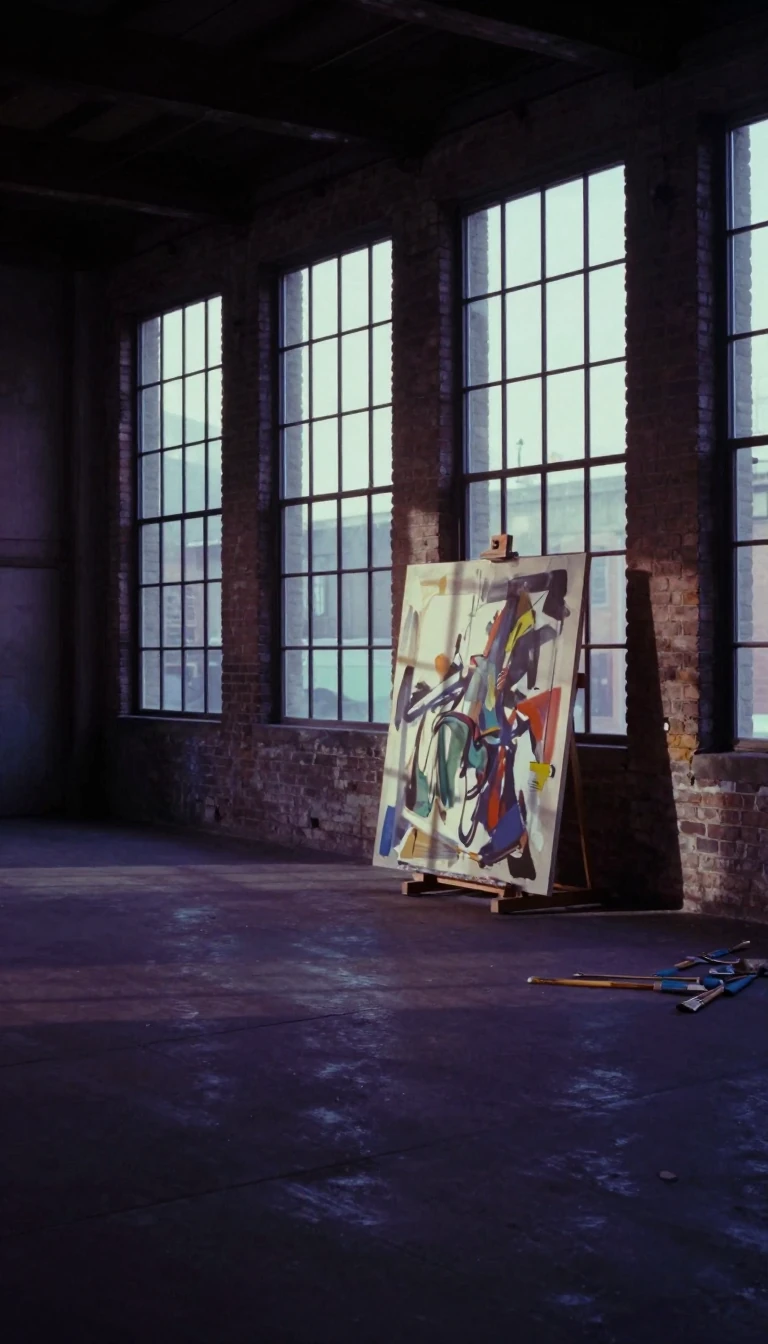
In short: Alfred Stieglitz was more than a photographer; he was a relentless force who forced the art world to take the camera seriously. By championing modernism and running legendary galleries, he transformed photography from a technical hobby into a medium capable of profound artistic expression, forever altering the landscape of visual culture.
Born in 1864 in Hoboken, New Jersey, Alfred Stieglitz was the son of a wealthy wool merchant who moved the family to Europe in 1881 to secure a better education for his children. While Stieglitz initially enrolled to study mechanical engineering at Berlin’s Technische Hochschule, he found his true calling in a chemistry class taught by Hermann Wilhelm Vogel. Vogel’s work on the chemical processes of photography provided Stieglitz with the academic challenge he craved, sparking an obsession that would define his life.
Returning to the United States in 1890, Stieglitz became a tireless advocate for the idea that photography was the equal of painting. He led the Photo-Secession group, founded in 1902, which sought to break away from conventional, stodgy ideas about the medium. Through his influential journal, Camera Work—which published 50 issues between 1903 and 1917—and his famous gallery at 291 Fifth Avenue, he promoted both photography and avant-garde European art. His approach was often uncompromising; he famously demanded high quality in his own business ventures, even when they failed to turn a profit.
Stieglitz’s own work often balanced technical mastery with artistic intent. While his early output was sometimes sentimental, he produced groundbreaking images like 1892’s The Terminal and 1902’s The Hand of Man, the latter of which captured an industrial scene from a moving train. Throughout his career, he remained a polarizing figure, known for his intense personality and his complex personal life, including his marriage to painter Georgia O'Keeffe. By the time of his death in 1946, he had successfully cemented photography’s status as a legitimate fine art, leaving behind a legacy that bridged the gap between mechanical process and human vision.
Opens the Intellect+ feed with this card first. Swipe up for the next one.
Sources
- Summary by Intellect · source: Alfred Stieglitz | American Photographer, Modernist & Art Activist | Britannica
- Also: Alfred Stieglitz
To cite this card, link to https://intellectplus.co.uk/app/art-alfred-stieglitz.
How we source, check and correct cards: Editorial standards.
General information, not professional advice. Spotted an error? Flag the card or see corrections and complaints.
Intellect Plus is a visual educational discovery platform for exploring fascinating facts and ideas. Brain Food, Not Brain Rot. What is Intellect Plus?
Related
More in Visual artists · More in Art · Latest · A–Z · All topics
