The Cinquecento: A Century of Artistic Revolution and the Birth of Modern Style
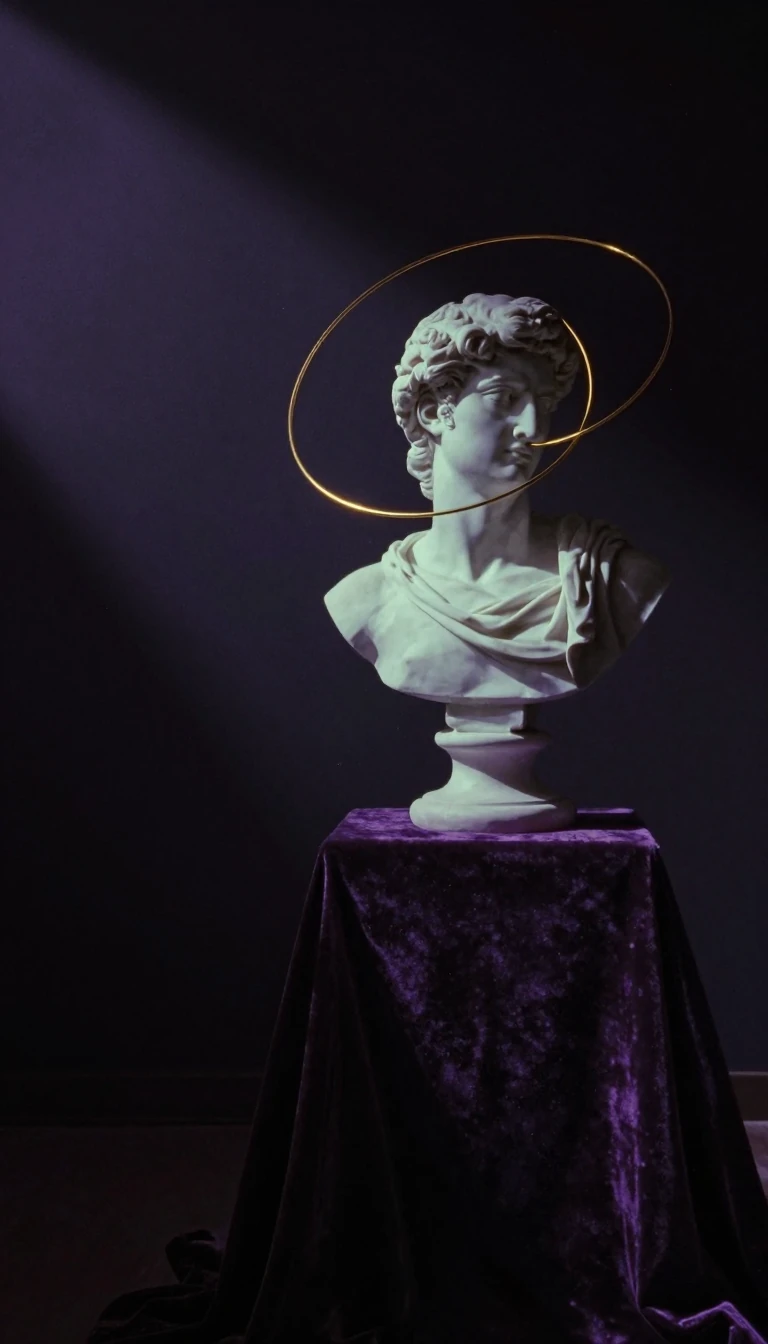
In short: The Cinquecento, or the 1500s in Italy, was a transformative era that bridged the High Renaissance and the dawn of the Baroque. From the technical mastery of Leonardo and Michelangelo to the emotional rebellion of Mannerism, this century redefined how humanity captured light, space, and sound in art.
The term Cinquecento, derived from the Italian word for 500, encapsulates the cultural output of Italy between 1500 and 1599. This period began with the culmination of High Renaissance ideals, where artists like Leonardo da Vinci, Raphael, and Michelangelo achieved unprecedented accuracy in depicting figures in motion. Their works, such as the Sistine Chapel ceiling and The School of Athens, remain global benchmarks for artistic excellence. Yet, the era was not monolithic; it was a time of rapid evolution, moving from the balanced harmony of the High Renaissance to the deliberate distortions of Mannerism.
By approximately 1520, Mannerist artists—including Pontormo and Parmigianino—began to consciously reject the principles of their predecessors. They favored elongated figures and illogical spatial arrangements, a style contemporaries often dismissed as artificial. Modern scholars, however, argue that Mannerism possessed a unique capacity to convey intense religious emotion that the more restrained High Renaissance sometimes lacked. This tension between tradition and innovation extended into literature, where figures like Niccolò Machiavelli and Baldassare Castiglione produced seminal works that continue to influence political and social thought.
The century also witnessed a musical revolution. In Rome, Giovanni Pierluigi da Palestrina led the Roman School, simplifying complex polyphony to ensure clarity of text, partly in response to the Council of Trent. Simultaneously, Venice fostered a progressive, polychoral style at the Basilica San Marco, utilizing multiple choirs and instruments to create grand, sonorous soundscapes. By the late 16th century, these movements paved the way for the Baroque era. As the century closed, the dramatic light of Caravaggio and the rich, emotional depth of the Carracci brothers signaled the end of the Renaissance and the beginning of a new, more theatrical age in European art.
Opens the Intellect+ feed with this card first. Swipe up for the next one.
Sources
- Summary by Intellect · source: Cinquecento
To cite this card, link to https://intellectplus.co.uk/app/history-cinquecento.
How we source, check and correct cards: Editorial standards.
General information, not professional advice. Spotted an error? Flag the card or see corrections and complaints.
Intellect Plus is a visual educational discovery platform for exploring fascinating facts and ideas. Brain Food, Not Brain Rot. What is Intellect Plus?
Related
More in Ages & eras · More in History · Latest · A–Z · All topics
