Is catharsis a medical purge, a spiritual ascent, or a trap for the mind?
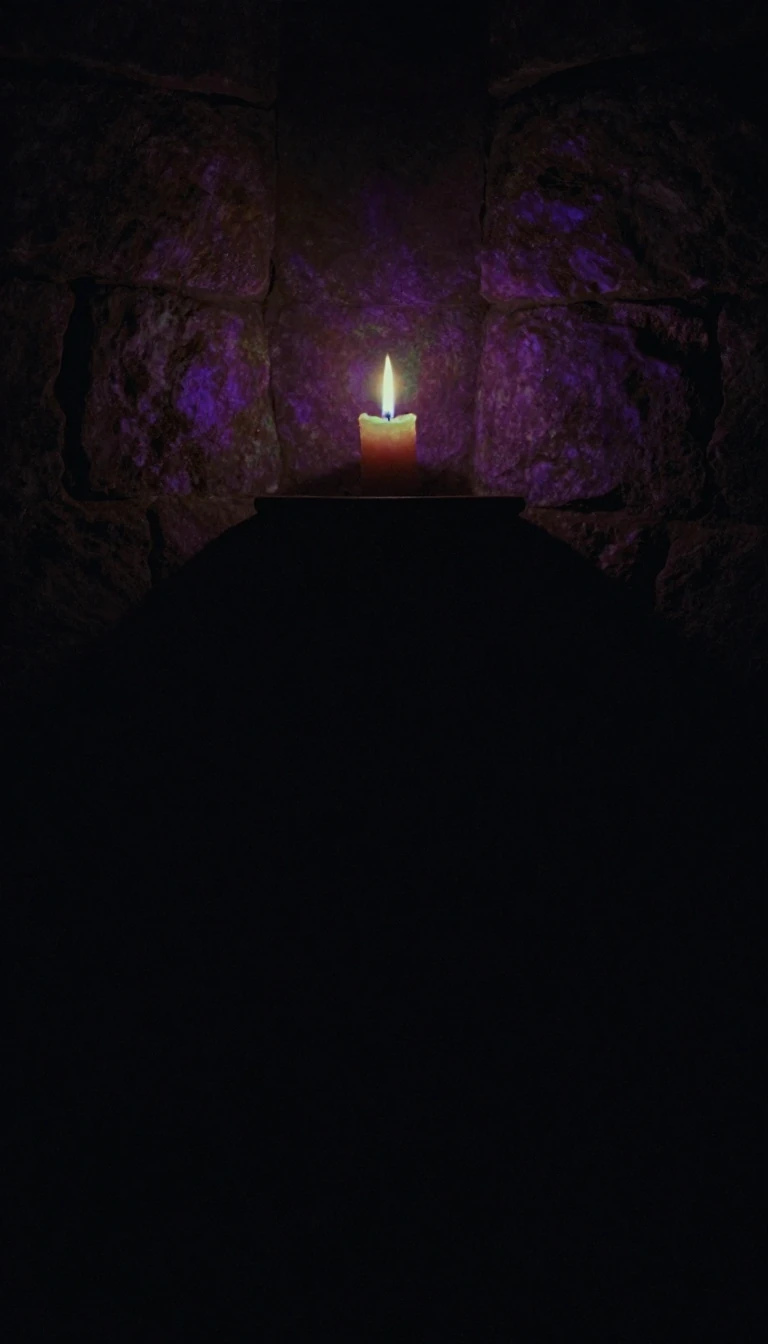
In short: The term catharsis has traveled from ancient Greek medical rituals to the heart of modern psychoanalysis. Whether it describes the purging of bodily fluids, the balancing of tragic emotions, or a dangerous form of bourgeois complacency, its meaning remains one of the most debated concepts in art and psychology.
The word originates from the Greek katharsis, meaning purification or cleansing. Historically, it carried a literal, physical sense—referring to the evacuation of menstrual fluid or the purging of bowels. Aristotle later adapted the term for his Poetics and Politics, suggesting that tragedy and music could provide a similar release for the mind. By experiencing pity and fear through a performance, the audience undergoes a form of relief, a concept that has sparked centuries of scholarly disagreement.
Interpretations of Aristotle’s intent vary wildly. Some scholars, like F. L. Lucas, emphasize the purgation of excessive passions, while others like Lessing argue that tragedy restores a virtuous, happy mean. In the 20th century, a paradigm shift introduced the 'intellectual clarification' theory, suggesting that the pleasure of tragedy lies in the cognitive act of learning and inference. Meanwhile, figures like Bertolt Brecht and Augusto Boal famously rejected catharsis as a passive, harmful mechanism that pacifies audiences, arguing instead for theatre that demands active social change.
In the 1890s, the concept migrated into the clinical realm. Josef Breuer and Sigmund Freud utilized a 'cathartic method' to treat hysteria, helping patients express repressed emotions to alleviate neurotic symptoms. This evolved into psychodrama, pioneered by Jacob Moreno in 1925, which uses spontaneous role-playing to help individuals gain insight into their lives. Whether viewed as an aesthetic experience or a therapeutic tool, catharsis remains a contested bridge between our internal emotional states and the external world.
Opens the Intellect+ feed with this card first. Swipe up for the next one.
Sources
- Summary by Intellect · source: Catharsis
To cite this card, link to https://intellectplus.co.uk/app/art-catharsis.
How we source, check and correct cards: Editorial standards.
General information, not professional advice. Spotted an error? Flag the card or see corrections and complaints.
Intellect Plus is a visual educational discovery platform for exploring fascinating facts and ideas. Brain Food, Not Brain Rot. What is Intellect Plus?
Related
More in Visual arts · More in Art · Latest · A–Z · All topics
