The desert site that powered the atomic age and became a massive cleanup project
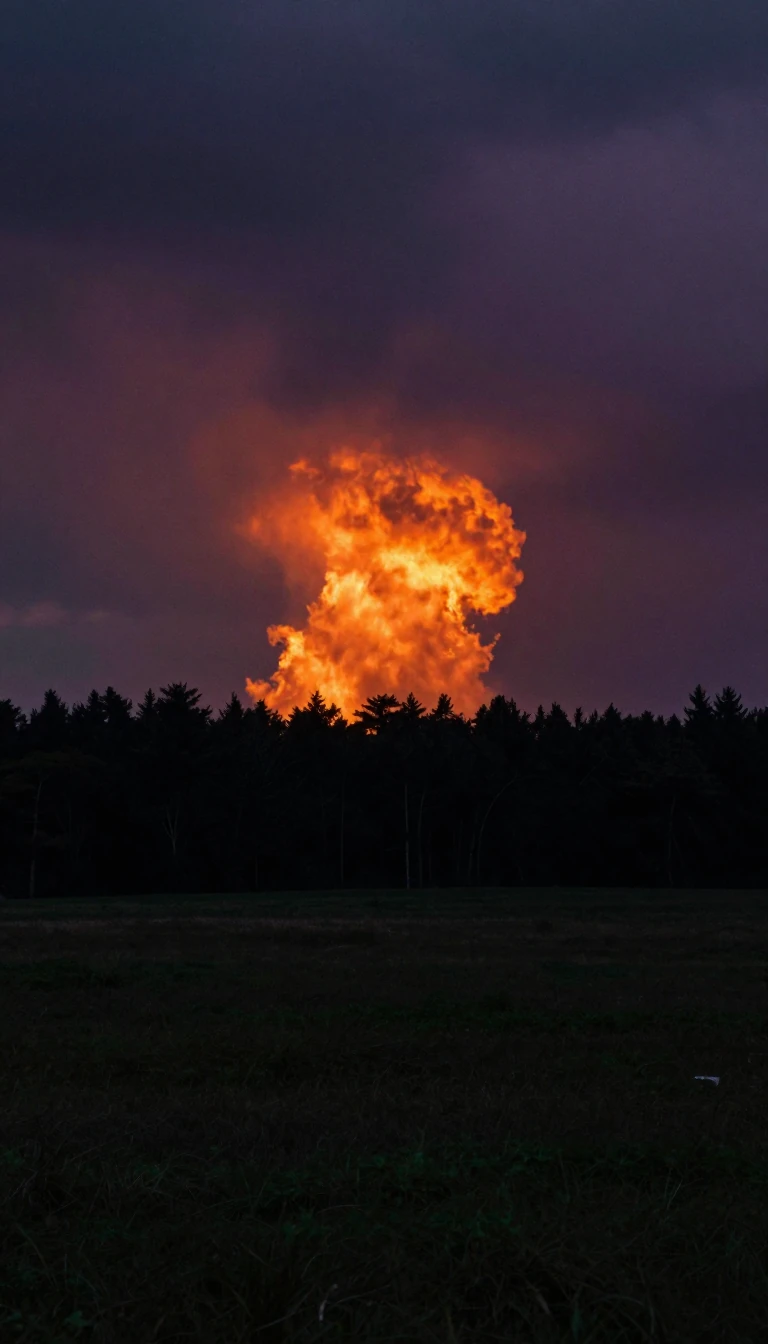
In short: Established in 1943 for the Manhattan Project, the Hanford Site in Washington state produced the plutonium for the world's first atomic bombs. Spanning hundreds of square miles, this remote desert complex eventually manufactured most of the U.S. nuclear arsenal, leaving behind a complex environmental legacy that continues today.
Selected by Brigadier General Leslie R. Groves Jr. in 1943, the Hanford Site met strict criteria for isolation, water access, and electrical power. The location, situated along the Columbia River, was chosen for its proximity to the Grand Coulee Dam, which provided the massive energy required for plutonium production. The site was rapidly transformed into a sprawling industrial complex, housing the B Reactor—the world's first full-scale plutonium production reactor—and massive chemical separation facilities. By the end of World War II, the Hanford Engineer Works had constructed hundreds of buildings and miles of infrastructure to support the war effort.
The site's operations were shrouded in extreme secrecy, with fewer than one percent of its 45,096 peak construction workers aware of the project's true purpose. While the facility successfully produced the plutonium used in the Trinity test and the Nagasaki bomb, the rapid pace of development and inadequate early waste disposal practices led to the release of radioactive materials into the environment. These practices resulted in long-term contamination of the soil and groundwater, making Hanford the focus of the nation's largest environmental cleanup effort.
Today, the Hanford Site is a decommissioned complex undergoing extensive remediation. Managed by the Department of Energy, the cleanup involves over 10,000 workers tasked with decontaminating facilities, treating radioactive liquid waste, and managing groundwater remediation. The site also hosts the Waste Treatment and Immobilization Plant, a massive facility designed to process and stabilize hazardous waste. Despite its industrial history, the area remains a site of historical and scientific significance, with the B Reactor preserved as part of the Manhattan Project National Historical Park, allowing visitors to witness the birthplace of the nuclear age firsthand.
Opens the Intellect+ feed with this card first. Swipe up for the next one.
Sources
- Summary by Intellect · source: Hanford Site
- Also: Hanford Field Office
- Also: Wikidata — Hanford Site · CC0
- Also: manhattanprojectbreactor.hanford.gov — Manhattan Project B Reactor Tours
To cite this card, link to https://intellectplus.co.uk/app/places-hanford-site.
How we source, check and correct cards: Editorial standards.
General information, not professional advice. Spotted an error? Flag the card or see corrections and complaints.
Intellect Plus is a visual educational discovery platform for exploring fascinating facts and ideas. Brain Food, Not Brain Rot. What is Intellect Plus?
Related
More in Bodies of water · More in Countries & Cities · Latest · A–Z · All topics
