Contra dance is a social, non-hierarchical folk tradition that thrives on continuous, rhythmic movement.
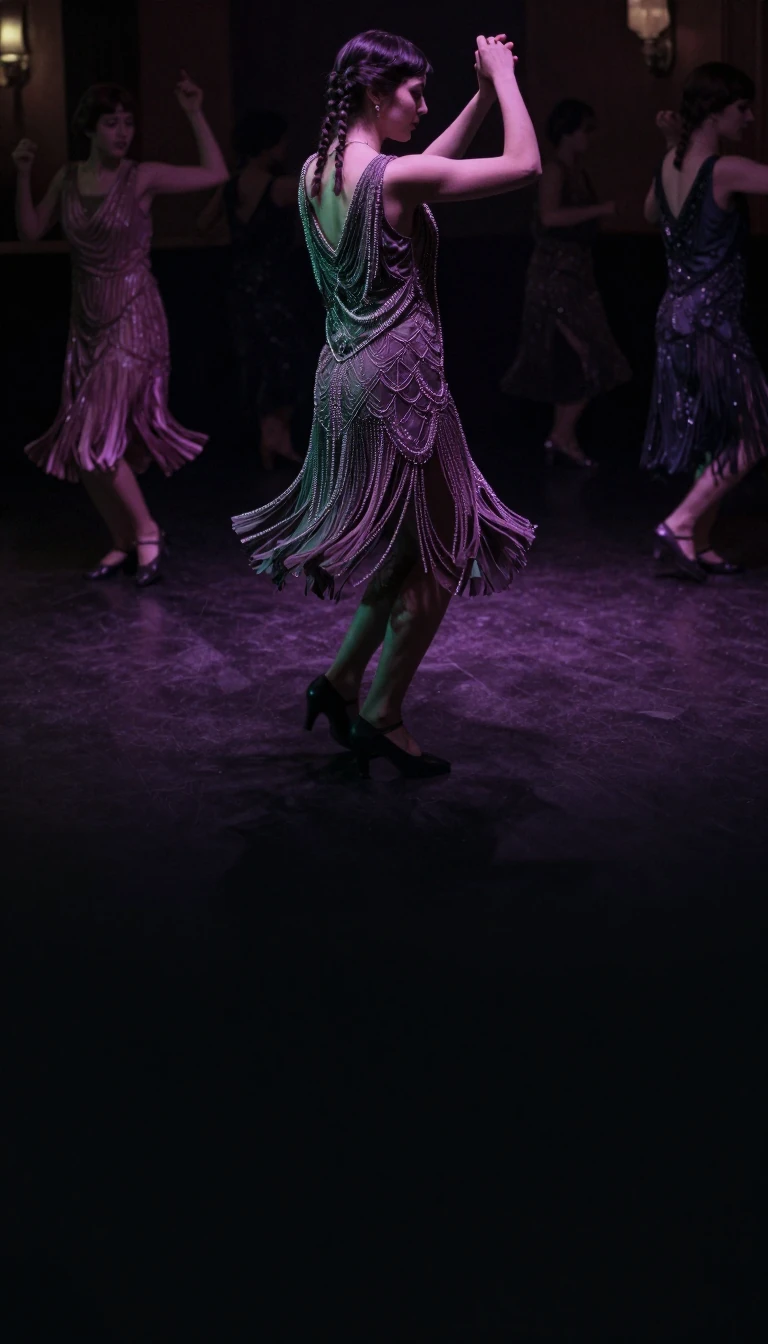
In short: Contra dance is a communal folk form where couples progress through long lines, dancing with everyone in the set. Unlike many social dances, it requires no memorization or specific footwork. Guided by a caller, dancers move to live music, creating a rhythmic, aerobic experience that prioritizes cooperation over individual performance.
Originating from 17th-century English, Scottish, and French dance styles, contra dance evolved into a distinct North American tradition. While it was popular across social classes in the late 18th century, it faced a decline in the 19th century as waltzes and quadrilles rose to prominence. By the 1930s and 1940s, the rise of jazz and big band music further marginalized the form, confining it largely to rural pockets of New England and the Canadian Maritimes.
The modern revival of contra dance began in the 1950s and 1960s, driven by figures like Ted Sannella and Dudley Laufman. This era introduced new choreographic innovations, such as symmetrical dancing and the Becket formation, where partners stand side-by-side. The dance is structured around 64-count patterns that repeat as couples progress along the line, ensuring that every dancer interacts with new neighbors throughout the evening. This progression is built into the movement itself, allowing the dance to flow continuously without interruption.
In recent decades, the community has grappled with traditional gendered terminology. Historically, roles were labeled as gents and ladies, but modern groups have increasingly adopted gender-neutral terms like larks and robins to be more inclusive. Despite these shifts, the core of the experience remains the same: a social, non-competitive environment where the caller provides the framework, and the dancers provide the energy. Whether in a small town hall or a large city, the dance remains a living tradition that welcomes participants of all experience levels.
Opens the Intellect+ feed with this card first. Swipe up for the next one.
Sources
- Summary by Intellect · source: Contra dance
To cite this card, link to https://intellectplus.co.uk/app/art-contra-dance.
How we source, check and correct cards: Editorial standards.
General information, not professional advice. Spotted an error? Flag the card or see corrections and complaints.
Intellect Plus is a visual educational discovery platform for exploring fascinating facts and ideas. Brain Food, Not Brain Rot. What is Intellect Plus?
Related
More in Performing arts · More in Art · Latest · A–Z · All topics
