Why Cuernavaca became the sanctuary for the world’s displaced artists and political elites
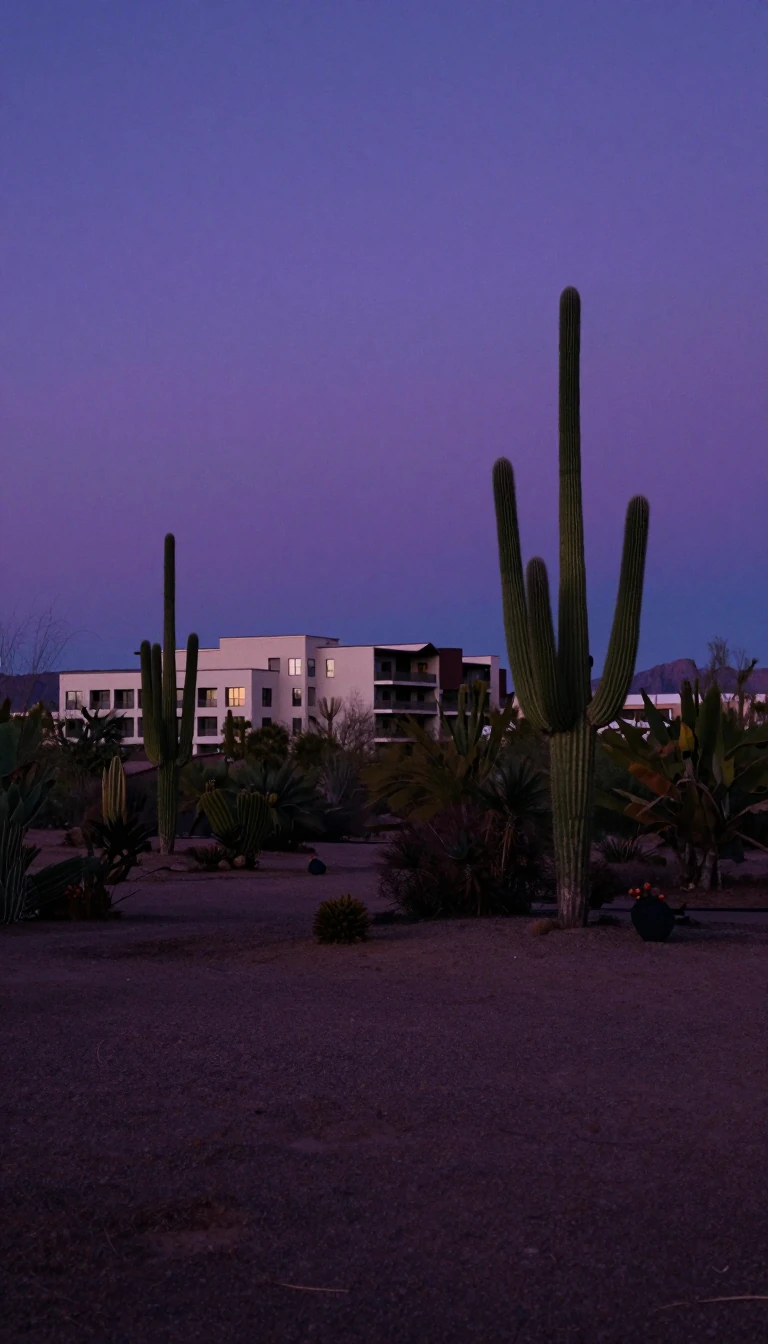
In short: Known as the City of Eternal Spring, this Mexican capital has long served as a refuge for royalty, Bauhaus designers, and international icons. From Aztec emperors to modern exiles, the city’s temperate climate and lush landscape have transformed it into a unique, enduring haven for those seeking escape.
Located in the Valley of Morelos, roughly 40 miles south of Mexico City, Cuernavaca has been a coveted retreat since the era of Aztec emperors. Its nickname, the City of Eternal Spring, was coined by Alexander von Humboldt in the 19th century to describe its stable, temperate climate, which remains fairly constant between 21 and 26 degrees Celsius. This environment, characterized by warm morning air and cooling afternoon breezes from the Sierra de Chichinautzin mountains, has historically attracted a diverse array of figures, including Emperor Maximilian I, the Shah of Iran, and philanthropist Barbara Hutton.
The city’s reputation as a sanctuary expanded significantly during the 20th century. As the Nazi regime rose in Germany, Bauhaus designer Michael van Beuren fled to a family hacienda in Cuernavaca, eventually forming a local colony of fellow designers during World War II. This tradition of artistic and intellectual migration continued; for instance, the American artist Robert Brady, who became a permanent resident in 1961, created a notable 1974 tapestry of entertainer Josephine Baker while living in the city. The local creative industry even supported international production, such as the textile work of Artes Internacionales, which produced commemorative pieces during the 1940s.
Beyond its role as a haven for the elite and the displaced, Cuernavaca has deep historical roots. The city’s name is a Spanish corruption of the Indigenous Nahuatl term Cuauhnáhuac, meaning 'near the forest.' Archaeological evidence, such as burials at Gualupita dating to approximately 1000 BCE, suggests the area is one of the origins of Mesoamerican civilization. Following its capture by Hernán Cortés in 1521, it became a colonial administrative center. Today, the city remains a vital hub where the remnants of pre-Columbian history, colonial architecture, and modern metropolitan growth converge, continuously shaped by its proximity to the capital and its enduring appeal as a place of refuge.
Opens the Intellect+ feed with this card first. Swipe up for the next one.
Sources
- Summary by Intellect · source: Cuernavaca | Mexico, Map, & Facts | Britannica
- Also: Cuernavaca
- Also: Art Institute of Chicago — Josephine Baker · CC0 (data); description CC BY 4.0
To cite this card, link to https://intellectplus.co.uk/app/art-cuernavaca.
How we source, check and correct cards: Editorial standards.
General information, not professional advice. Spotted an error? Flag the card or see corrections and complaints.
Intellect Plus is a visual educational discovery platform for exploring fascinating facts and ideas. Brain Food, Not Brain Rot. What is Intellect Plus?
Related
More in Visual artists · More in Art · Latest · A–Z · All topics
