The borough where the sun was reborn every 52 years
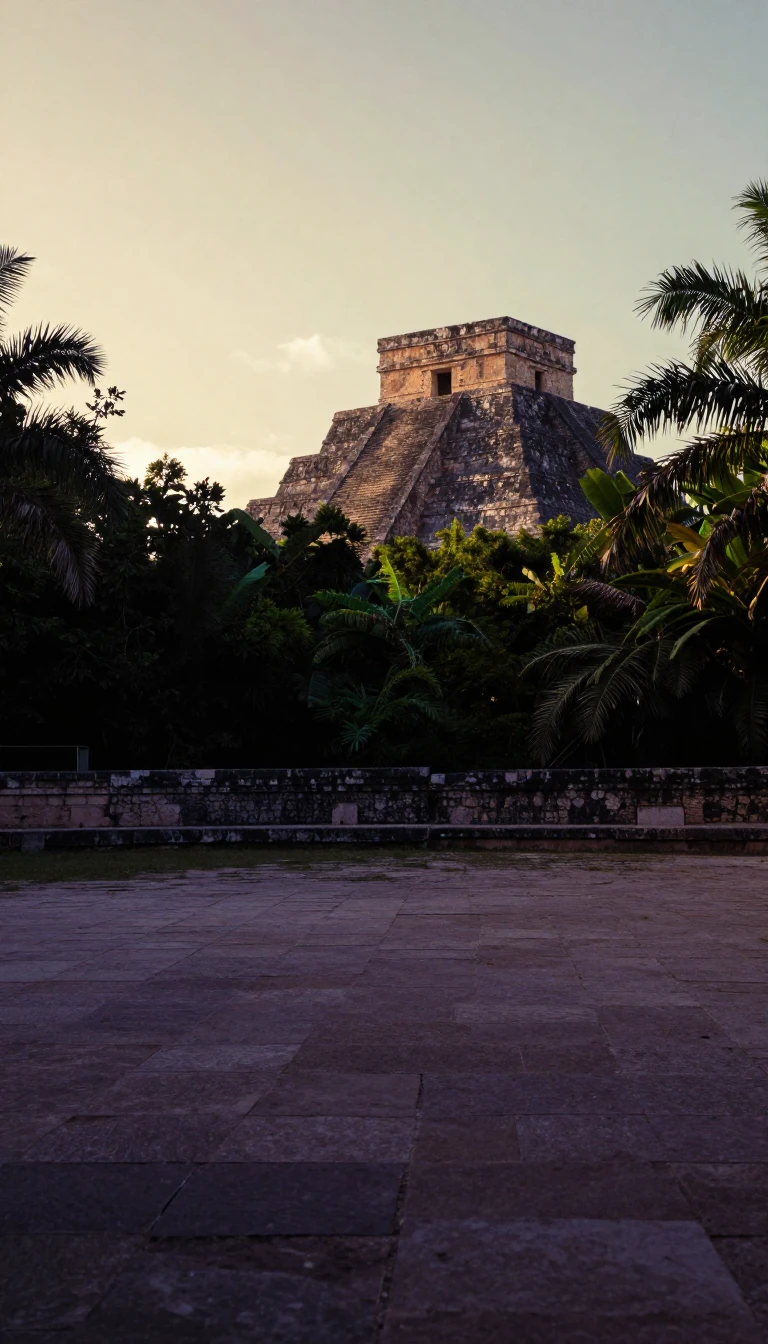
In short: Iztapalapa is a sprawling urban landscape in Mexico City, but its soil holds a profound cosmic history. For centuries, it was the site of the New Fire ceremony—a ritual designed to ensure the sun would rise again. Today, it balances ancient sacredness with modern industrial survival.
The borough of Iztapalapa is defined by a dramatic transformation. In the 1970s, it shifted from a rural agricultural hub into a densely populated urban center, now home to over 1.8 million people. This rapid expansion has created a complex reality: while it serves as a vital economic engine—hosting the largest wholesale market in Latin America and Mexico's biggest fish market—it also faces severe infrastructure challenges. Nearly 500,000 residents still struggle with insufficient water supplies, sometimes relying on trucks to deliver water to homes near the Sierra de Santa Catalina.
Deep beneath this modern density lies a pre-Hispanic legacy. The Cerro de la Estrella, a prominent hill in the borough, was the sacred site of the Aztec New Fire ceremony. Every 52 years, the Aztecs would kindle a fire here to mark the end of a cycle and initiate a new one, fearing that without the ritual, the sun might not return. Archaeological excavations in the borough have uncovered fossilized human and mammoth remains, proving the area's significance dates back at least 4,000 years.
The region's cultural identity is a tapestry of these layers. The annual Passion Play, attended by roughly 2 million spectators, is rooted in a 19th-century miracle attributed to the Señor de la Cuevita—an image of Christ made of cornstalks. Furthermore, the borough preserves colonial-era monasteries like Culhuacán, which served as centers for indigenous language education and paper making. Iztapalapa remains a place where the weight of the past—from Aztec cosmology to colonial faith—constantly intersects with the pressures of 21st-century urbanization.
Today, the borough is a study in contrasts. It contains the Museo Cabeza de Juárez, a 13-meter-tall monument of Benito Juárez, and the Central de Abasto, which effectively ended the local tradition of chinampa farming to meet the city's food demands. It is a landscape where sacred fires, colonial churches, and massive wholesale markets coexist in a state of perpetual tension.
Opens the Intellect+ feed with this card first. Swipe up for the next one.
Sources
- Summary by Intellect · source: Iztapalapa
- Also: www.britannica.com — Iztapalapa | Urban Area, Mexico City | Britannica
To cite this card, link to https://intellectplus.co.uk/app/history-iztapalapa.
How we source, check and correct cards: Editorial standards.
General information, not professional advice. Spotted an error? Flag the card or see corrections and complaints.
Intellect Plus is a visual educational discovery platform for exploring fascinating facts and ideas. Brain Food, Not Brain Rot. What is Intellect Plus?
Related
More in History by country, small region and city · More in History · Latest · A–Z · All topics
