A fragile Maya book survived the Spanish Inquisition only to face a flooded basement.
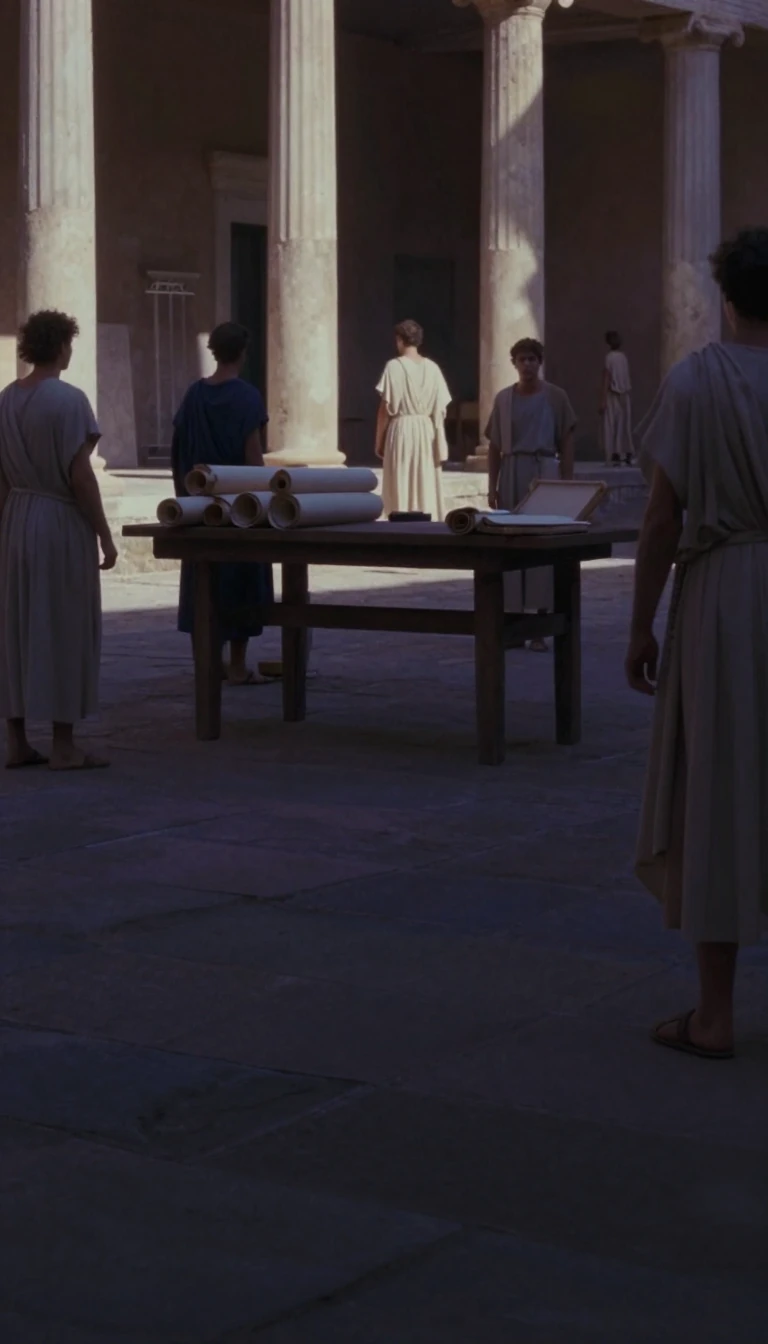
In short: The Dresden Codex is a masterpiece of ancient astronomy and ritual, folded into a portable screen of bark paper. Though it escaped the destruction of pre-Hispanic texts during the Spanish conquest, it narrowly avoided total ruin during the bombing of Dresden in 1945, leaving behind a scarred but vital record.
Crafted from the pounded inner bark of the wild fig tree, this 78-page manuscript is a triumph of Maya intellectual life. Eight distinct scribes contributed to its creation, using fine brushes and vibrant vegetable dyes to map the heavens and the earth. It contains sophisticated astronomical tables tracking the movements of Venus and the moon, alongside ritual schedules and medical references. These pages, which stretch over three meters when fully extended, served as a guide for royal events and the complex cycles of the Maya calendar.
The codex eventually found its way to Europe, likely as a tribute sent to Charles V in 1519. It was acquired in Vienna by Johann Christian Götze in 1739 and later housed in the Royal Library of Dresden. For centuries, it remained largely obscure until scholars began to unlock its secrets. In the late 19th century, Ernst Wilhelm Förstemann used the book to decipher Maya numerals and the Long Count calendar, while later researchers applied phonetic approaches to decode its intricate hieroglyphs.
Its survival remains a miracle of history. During the Allied bombing of Dresden in February 1945, the codex was stored in a flooded basement, suffering severe water damage that obscured some of its delicate glyphs. Today, the manuscript is preserved by the Saxon State and University Library in Germany. While some pages were misordered during post-war restoration, modern historians like Helmut Deckert and Ferdinand Anders have reconstructed the intended sequence, ensuring this ancient window into the Yucatán Peninsula remains accessible to future generations.
Opens the Intellect+ feed with this card first. Swipe up for the next one.
Sources
- Summary by Intellect · source: Dresden Codex
To cite this card, link to https://intellectplus.co.uk/app/art-dresden-codex.
How we source, check and correct cards: Editorial standards.
General information, not professional advice. Spotted an error? Flag the card or see corrections and complaints.
Intellect Plus is a visual educational discovery platform for exploring fascinating facts and ideas. Brain Food, Not Brain Rot. What is Intellect Plus?
Related
More in Literature · More in Art · Latest · A–Z · All topics
