Why did James Joyce struggle for nine years to publish his masterpiece, Dubliners?
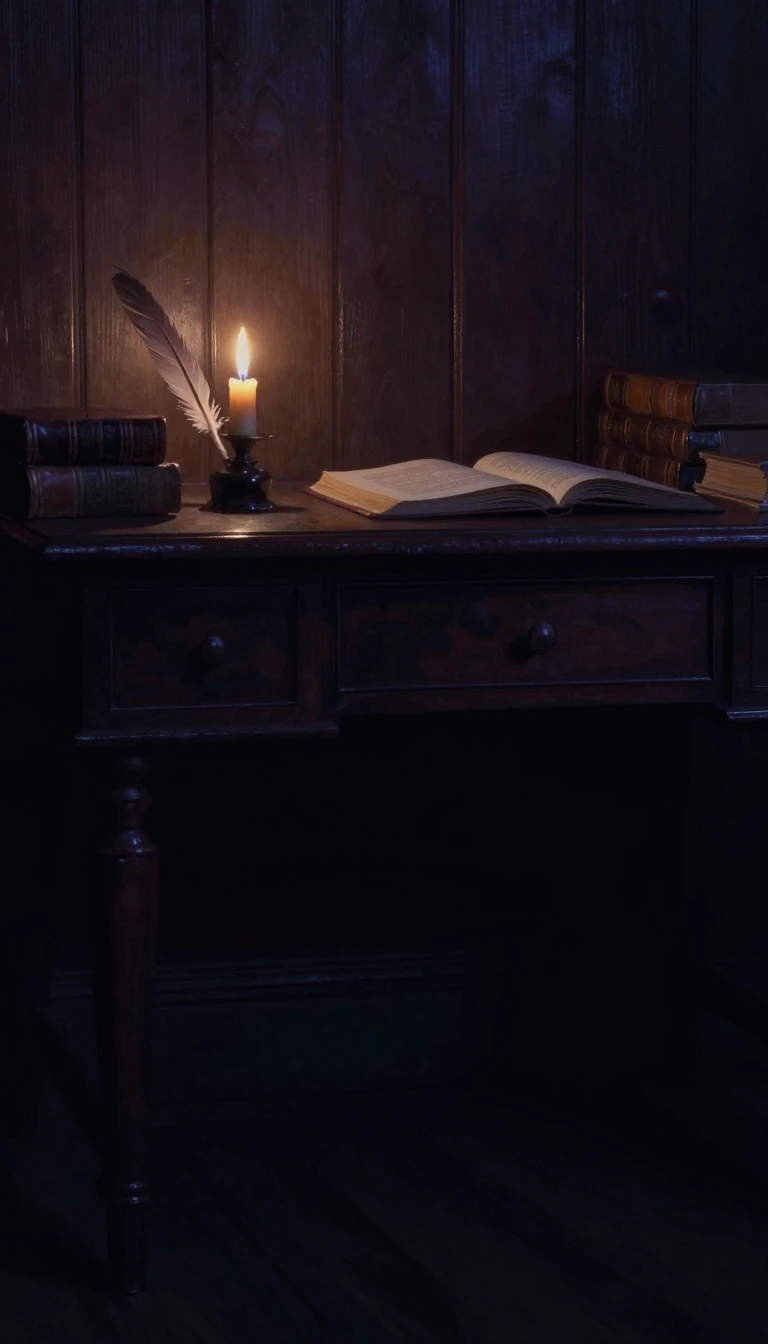
In short: James Joyce viewed his collection of fifteen stories as a mirror held up to Irish society, intended to spark spiritual liberation. Yet, the path to publication was fraught with controversy, censorship, and even the burning of manuscripts. Discover how this landmark work survived a decade of rejection to define modern literature.
Written between 1904 and 1907, Dubliners serves as a naturalistic examination of middle-class life in early twentieth-century Dublin. Joyce aimed to expose what he termed the collective paralysis of the Irish people—a state of existence he linked to the influences of British rule, Catholicism, and nationalism. By structuring the collection into four distinct phases—childhood, adolescence, maturity, and public life—Joyce traced the trajectory of his characters from youth to the final, haunting epiphany of the novella-length story, The Dead.
The publication history of the book was notoriously difficult. Between 1905 and 1914, Joyce submitted his manuscript to fifteen different publishers eighteen times. Early attempts were thwarted by printers who refused to set stories they deemed offensive, leading to demands for censorship that Joyce initially resisted. In one instance, a publisher named Maunsel & Roberts went so far as to burn the printed sheets of the book, forcing Joyce to save a single copy by ruse. It was not until 1914 that Grant Richards finally published the collection, utilizing the salvaged proofs.
Joyce’s narrative technique, which he described as a style of scrupulous meanness, sought authorial invisibility. He avoided overt commentary, preferring a presentation so sharp that the reader is left to interpret the symbols and epiphanies—sudden moments of self-understanding—within the text. While some critics have labeled the work as realist or naturalist, others argue it defies classification. The collection remains a subject of intense debate, often cited as a significant stepping-stone into the complex, modernist structures of Joyce’s later novels, such as Ulysses.
The enduring power of Dubliners lies in its ability to capture the universal beneath the specific. By meticulously documenting the geography, road names, and businesses of Dublin, Joyce created a work that Ezra Pound famously argued could be retold of any city. Today, the collection is recognized as a masterpiece, having inspired numerous adaptations across film, radio, and theatre, ensuring that Joyce’s vision of the Irish soul continues to resonate with global audiences.
Opens the Intellect+ feed with this card first. Swipe up for the next one.
Sources
- Summary by Intellect · source: Dubliners
To cite this card, link to https://intellectplus.co.uk/app/art-dubliners.
How we source, check and correct cards: Editorial standards.
General information, not professional advice. Spotted an error? Flag the card or see corrections and complaints.
Intellect Plus is a visual educational discovery platform for exploring fascinating facts and ideas. Brain Food, Not Brain Rot. What is Intellect Plus?
Related
More in Literature · More in Art · Latest · A–Z · All topics
