Is the secret to Earthsea hidden in the name of its greatest fantasy rival?
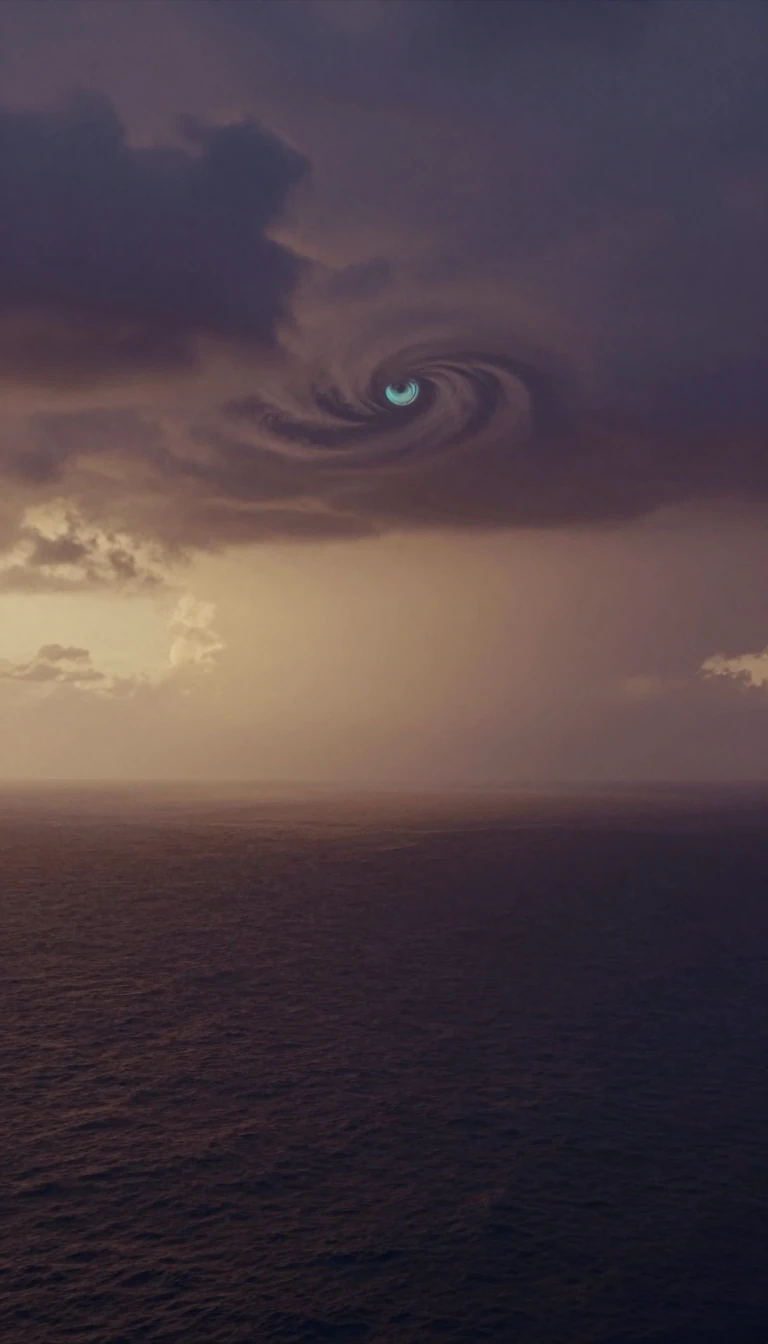
In short: Ursula K. Le Guin created a vast, archipelago-based fantasy world that challenged genre conventions by centering non-white characters and Taoist philosophy. Beyond its deep themes of balance, scholars suggest the world’s very name may be a hidden tribute to J.R.R. Tolkien, woven directly into the series' own ancient language.
The Earthsea Cycle, spanning from the 1968 publication of A Wizard of Earthsea to 2018’s final short story, depicts a world of islands rather than continents. Le Guin intentionally subverted the common fantasy trope of a pseudo-European Middle Ages, populating her world with brown-skinned characters. While the series incorporates familiar archetypes like wizards and dragons, it is fundamentally shaped by Taoist philosophy. Literary scholar Richard Erlich notes that the series focuses on balancing polarities—such as light and dark or male and female—with the Yin-Yang symbol serving as a central, unifying motif throughout the original trilogy.
The series' connection to J.R.R. Tolkien is both acknowledged and subtle. Le Guin utilized Tolkienian elements like magical rings and epic quests, yet Tolkien scholar John Garth suggests a deeper, linguistic homage. In the Hardic language of Earthsea, 'tolk' means rock and 'inien' means sea. Following the pattern of the word 'sukien' (foam), Garth argues that 'Tolkien' is the literal Hardic translation for 'Earthsea.' This theory, also proposed by author Keith Miller, suggests Le Guin honored the fantasy master by embedding his name into the foundational vocabulary of her own creation.
Le Guin’s relationship with adaptations of her work was famously fraught. She publicly condemned the 2004 Sci Fi Channel miniseries for 'whitewashing' her characters, noting she was excluded from the production process. Similarly, while she granted rights to Studio Ghibli for their 2006 film Tales from Earthsea due to her admiration for Hayao Miyazaki, she ultimately found the adaptation disappointing and disconnected from her original vision. These conflicts highlight Le Guin's protective stance over the cultural and philosophical integrity of Earthsea, a world where magic is an inborn talent, death is a realm of shadow, and balance is the ultimate necessity.
Opens the Intellect+ feed with this card first. Swipe up for the next one.
Sources
- Summary by Intellect · source: Earthsea
To cite this card, link to https://intellectplus.co.uk/app/art-earthsea.
How we source, check and correct cards: Editorial standards.
General information, not professional advice. Spotted an error? Flag the card or see corrections and complaints.
Intellect Plus is a visual educational discovery platform for exploring fascinating facts and ideas. Brain Food, Not Brain Rot. What is Intellect Plus?
Related
More in Literature · More in Art · Latest · A–Z · All topics
