From desert earthworks to urban forests, environmental art redefines our relationship with the planet.
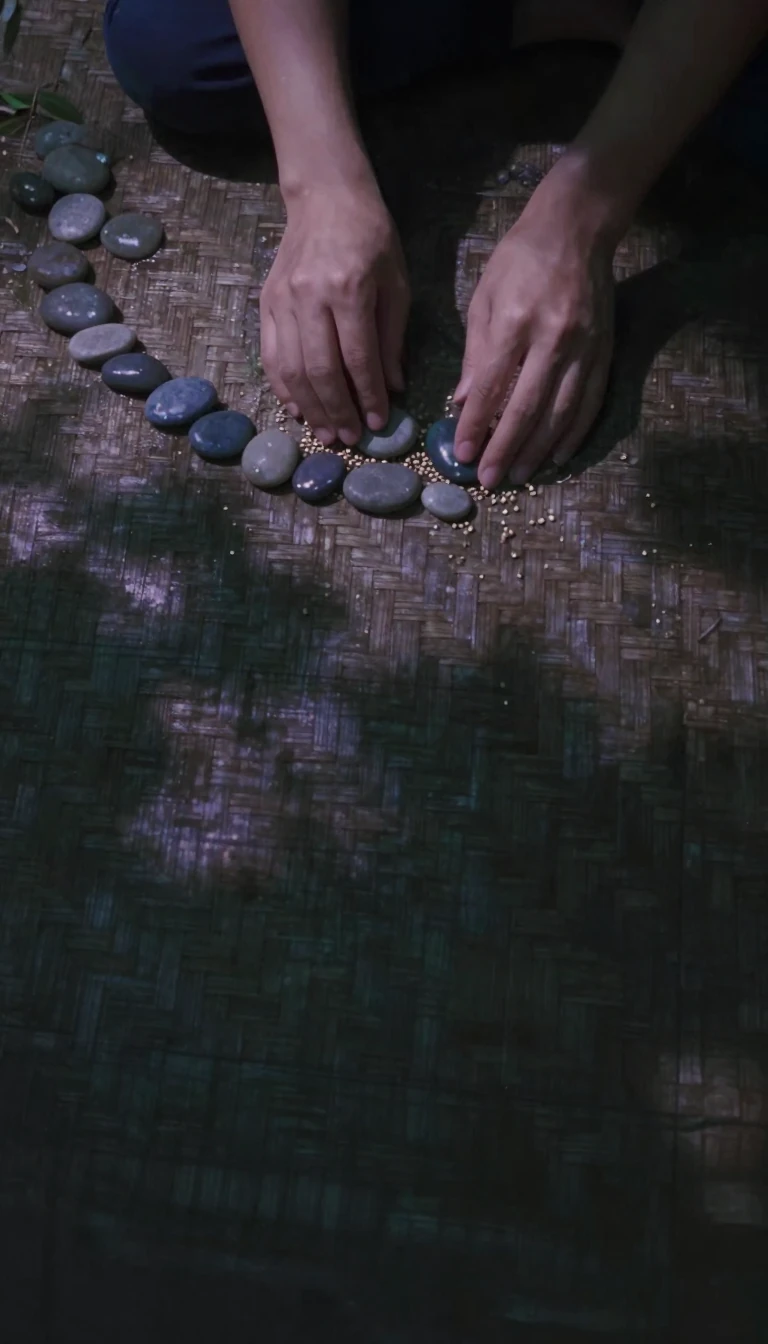
In short: Environmental art has evolved from monumental sculptures in remote deserts to socially engaged projects that remediate urban soil and address climate change. By blending science, philosophy, and activism, these artists move beyond mere representation, transforming the landscape into a living, breathing platform for ecological restoration and critical social dialogue.
Environmental art encompasses a vast spectrum of practices, ranging from historical landscape representation to contemporary, politically motivated interventions. While early forms like Paleolithic cave paintings observed nature, the movement gained momentum in the late 1960s and early 1970s as artists began challenging traditional, outmoded sculptural forms. Pioneers like Robert Smithson moved art out of the gallery and into the American West, creating massive earthworks that defied conventional collection and exhibition. This shift marked a transition from depicting the landscape to actively engaging within it, expanding the boundaries of how art is conceptualized and documented.
By the 1980s, the focus shifted toward the public and urban landscape. Artists began using their work to address social concerns, such as food apartheid and environmental degradation. For instance, in 1982, Agnes Denes planted a wheat field on a two-acre Manhattan landfill, while Bonnie Sherk’s The Farm in San Francisco transformed underused freeway spaces into a community hub. These projects demonstrate a move toward 'ecological art'—a discipline that embraces social justice and restorative practices. Today, artists like Beverly Naidus use phytoremediation to heal degraded soil, while others integrate renewable energy technology, such as wind turbines or solar-powered sculptures, directly into public infrastructure.
A crucial distinction exists between artists who prioritize aesthetic impact and those committed to 'sustainable art.' Early land art, such as Smithson’s Spiral Jetty, faced criticism for inflicting permanent damage on the environment. In contrast, contemporary practitioners like Richard Long and Andy Goldsworthy work with natural materials in ways that leave the landscape unharmed, often revegetating sites with indigenous flora. This ethical evolution reflects a deeper sensitivity toward habitat and a commitment to coexistence. Whether through guerilla gardening or large-scale ecological actions like Joseph Beuys’s 7000 Oaks, the movement now functions as a precursor to societal change, encouraging a long-term respect for the natural systems we inhabit.
Opens the Intellect+ feed with this card first. Swipe up for the next one.
Sources
- Summary by Intellect · source: Environmental art
To cite this card, link to https://intellectplus.co.uk/app/art-environmental-art.
How we source, check and correct cards: Editorial standards.
General information, not professional advice. Spotted an error? Flag the card or see corrections and complaints.
Intellect Plus is a visual educational discovery platform for exploring fascinating facts and ideas. Brain Food, Not Brain Rot. What is Intellect Plus?
Related
More in Visual arts · More in Art · Latest · A–Z · All topics
