Why the most vibrant art of the ancient Etruscans was hidden in their tombs.
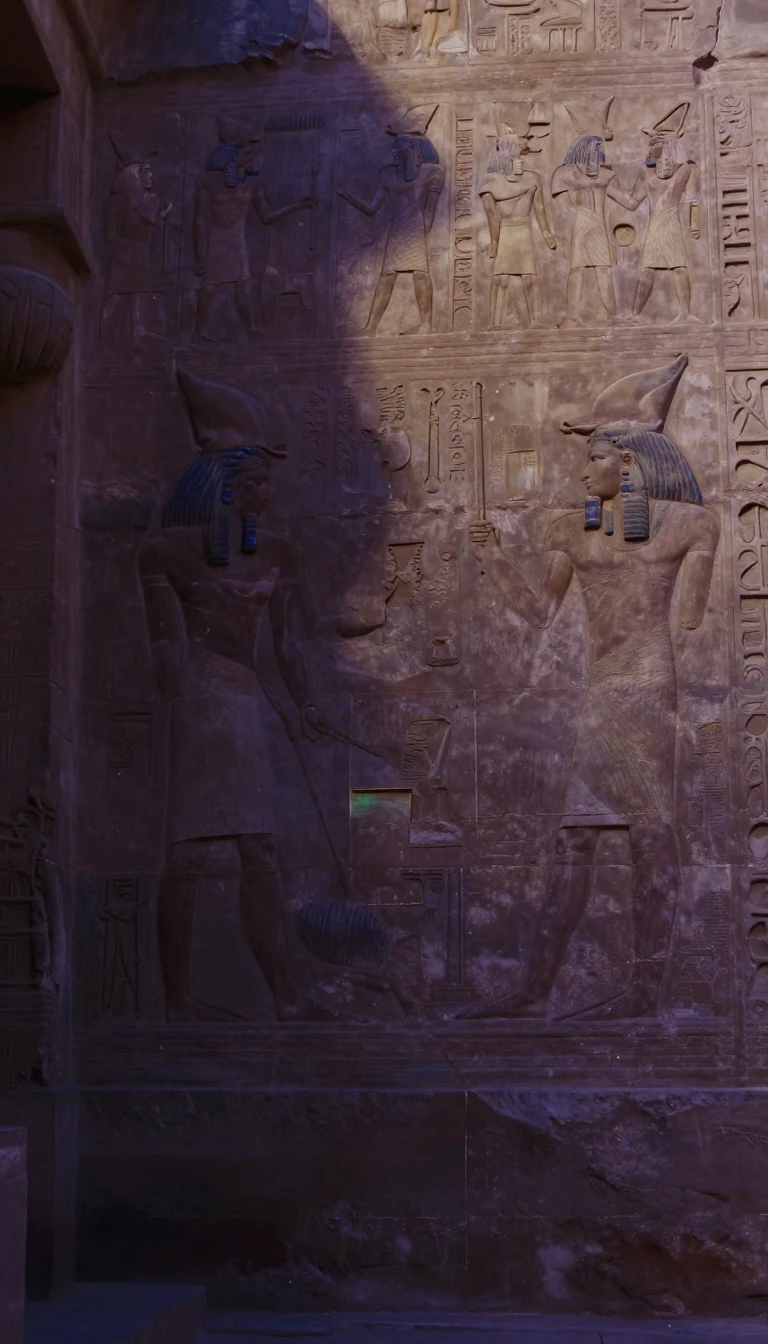
In short: The Etruscan civilization left behind a legacy of terracotta, bronze, and frescoes that defined central Italy for centuries. While their cities have largely vanished, their funerary practices preserved a treasure trove of art, offering a window into a culture that balanced deep religious devotion with a sophisticated, Greek-influenced aesthetic.
Etruscan art, spanning from the 10th to the 1st century BC, was deeply rooted in the civilization's unique religious outlook. Unlike the Greeks, who often viewed the afterlife with confidence, the Etruscans held a more negative perspective, which heavily influenced their artistic output. Because their tombs were designed as sites for recurrent family rituals, they were filled with sarcophagi, grave goods, and elaborate fresco wall-paintings. These frescoes, found primarily in Tarquinia and dating from 670 to 200 BC, provide our only surviving examples of Etruscan wall painting, as the decorations from their temples and houses have been lost to time.
The Etruscans were masters of specific mediums, particularly terracotta and bronze. They were renowned for their cast-bronze sculpture, which was widely exported, and their distinctive Bucchero pottery—a burnished, unglazed ware fired in oxygen-deprived kilns to achieve a signature black sheen. While they controlled fine marble sources like Carrara, they rarely used stone for sculpture, preferring the versatility of terracotta for both life-size sarcophagi and the vibrant architectural decorations that adorned their temples. The Apollo of Veii, dating to 510–500 BC, stands as a prime example of this mastery, featuring the original Etruscan innovation of placing large sculptural groups along a temple's roof line.
Throughout their history, the Etruscans maintained a complex relationship with Greek art. From the 8th century BC, they imported Greek styles, motifs, and mythology, often adapting them to their own needs. Yet, they retained distinct characteristics, such as the invention of placing reclining figures on the lids of sarcophagi—a custom later adopted by the Romans. As the Roman Republic expanded, it gradually absorbed Etruscan cities, with the final conquest of Veii occurring around 396 BC. By the 1st century BC, the distinction between Etruscan and Roman styles had blurred, marking the end of a unique artistic tradition that had once dominated the Italian peninsula.
Opens the Intellect+ feed with this card first. Swipe up for the next one.
Sources
- Summary by Intellect · source: Etruscan art
- Also: www.britannica.com — Etruscan art | History, Characteristics, & Facts | Britannica
To cite this card, link to https://intellectplus.co.uk/app/art-etruscan-art.
How we source, check and correct cards: Editorial standards.
General information, not professional advice. Spotted an error? Flag the card or see corrections and complaints.
Intellect Plus is a visual educational discovery platform for exploring fascinating facts and ideas. Brain Food, Not Brain Rot. What is Intellect Plus?
Related
More in Visual arts · More in Art · Latest · A–Z · All topics
