Experimental film rejects traditional storytelling to turn the viewer into an active participant.
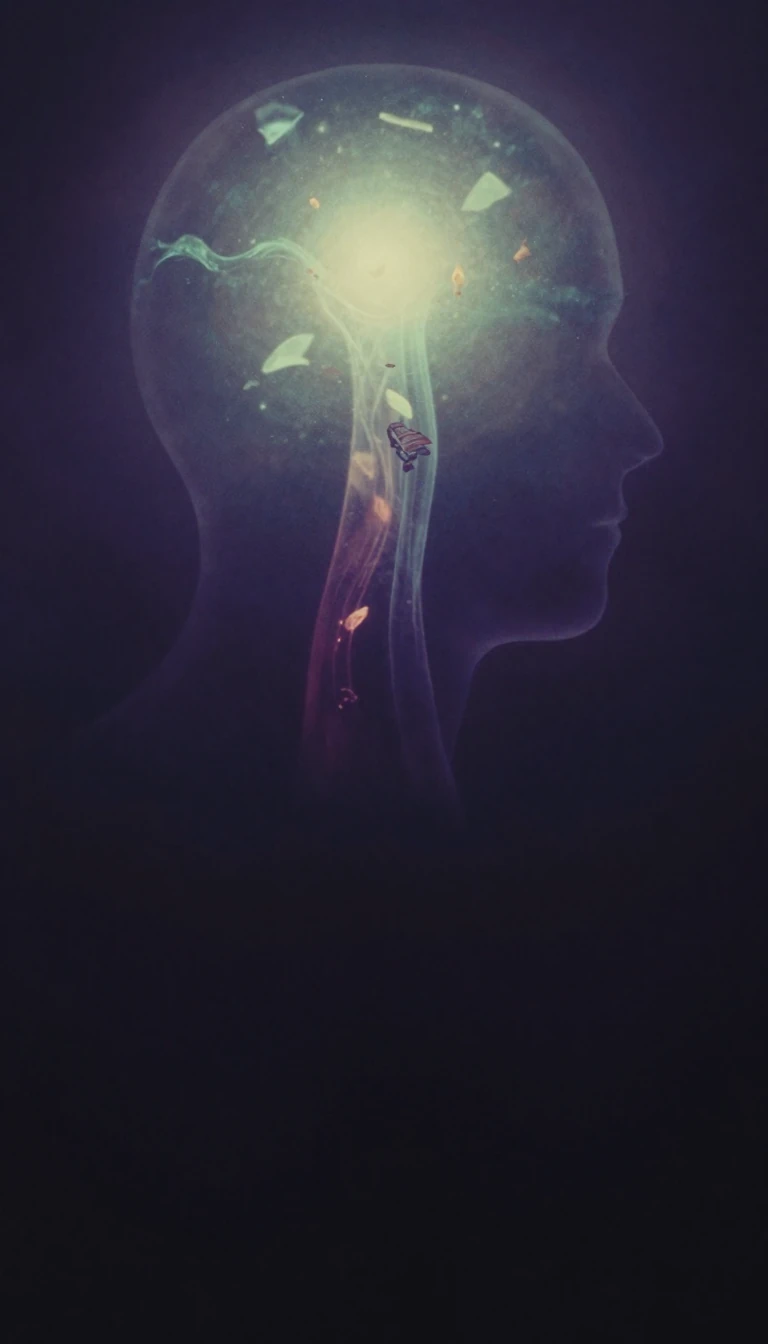
In short: Experimental cinema abandons standard narrative conventions in favor of abstraction, poetic construction, and personal vision. Often produced on shoestring budgets by solo filmmakers, these works challenge the viewer to engage thoughtfully with the medium itself, frequently operating in direct opposition to the polished, commercial norms of mainstream Hollywood storytelling.
Experimental film, or avant-garde cinema, functions as a mode of production that prioritizes artistic expression over revenue or entertainment. By utilizing techniques such as rapid editing, asynchronous sound, or even the complete absence of a soundtrack, these filmmakers aim to dismantle linear narratives. The practice often draws from other disciplines like painting and dance, with many creators beginning as amateurs who self-finance their projects or rely on small grants. This approach fosters a unique relationship between the film and the viewer, demanding a more active, intellectual engagement than traditional cinema.
The roots of the movement trace back to the 1920s in Europe, where Dadaist and Surrealist artists like René Clair, Marcel Duchamp, and Man Ray experimented with non-sequitur comedy and abstract imagery. This era also saw the rise of 'city symphonies' by directors like Dziga Vertov and Walter Ruttmann. In the United States, the 1943 film Meshes of the Afternoon by Maya Deren and Alexander Hammid became a seminal model for self-financed production, influencing generations of filmmakers who emerged from pioneering university programs in Los Angeles and New York.
By the 1960s, the landscape shifted toward 'structural film,' a formalist approach championed by figures like Michael Snow and Hollis Frampton, which foregrounded the physical components of the medium, such as the frame and time itself. Meanwhile, other movements emerged to challenge cultural norms. Feminist filmmakers like Laura Mulvey and Chantal Akerman used non-narrative forms to critique the patriarchal gaze inherent in Hollywood, while conceptual artists like Yoko Ono pushed the boundaries of the medium further. Despite the misconception that experimental and commercial worlds never touch, the history of the form is filled with crossovers, from filmmakers creating corporate advertisements to established directors like Nicholas Ray and King Vidor turning to avant-garde projects late in their careers.
Today, experimental cinema continues to evolve through mash-up techniques, rotoscoping, and innovative animation styles. Works like Richard Linklater's 2001 film Waking Life and Cristobal León and Joaquín Cociña's 2018 The Wolf House demonstrate how modern auteurs continue to manipulate the medium to create surreal, shifting dreamscapes that defy the constraints of conventional storytelling.
Opens the Intellect+ feed with this card first. Swipe up for the next one.
Sources
- Summary by Intellect · source: Experimental film
To cite this card, link to https://intellectplus.co.uk/app/art-experimental-film.
How we source, check and correct cards: Editorial standards.
General information, not professional advice. Spotted an error? Flag the card or see corrections and complaints.
Intellect Plus is a visual educational discovery platform for exploring fascinating facts and ideas. Brain Food, Not Brain Rot. What is Intellect Plus?
Related
More in Film and television · More in Art · Latest · A–Z · All topics
