Glacier National Park's ancient rocks tell a story of life a billion years old
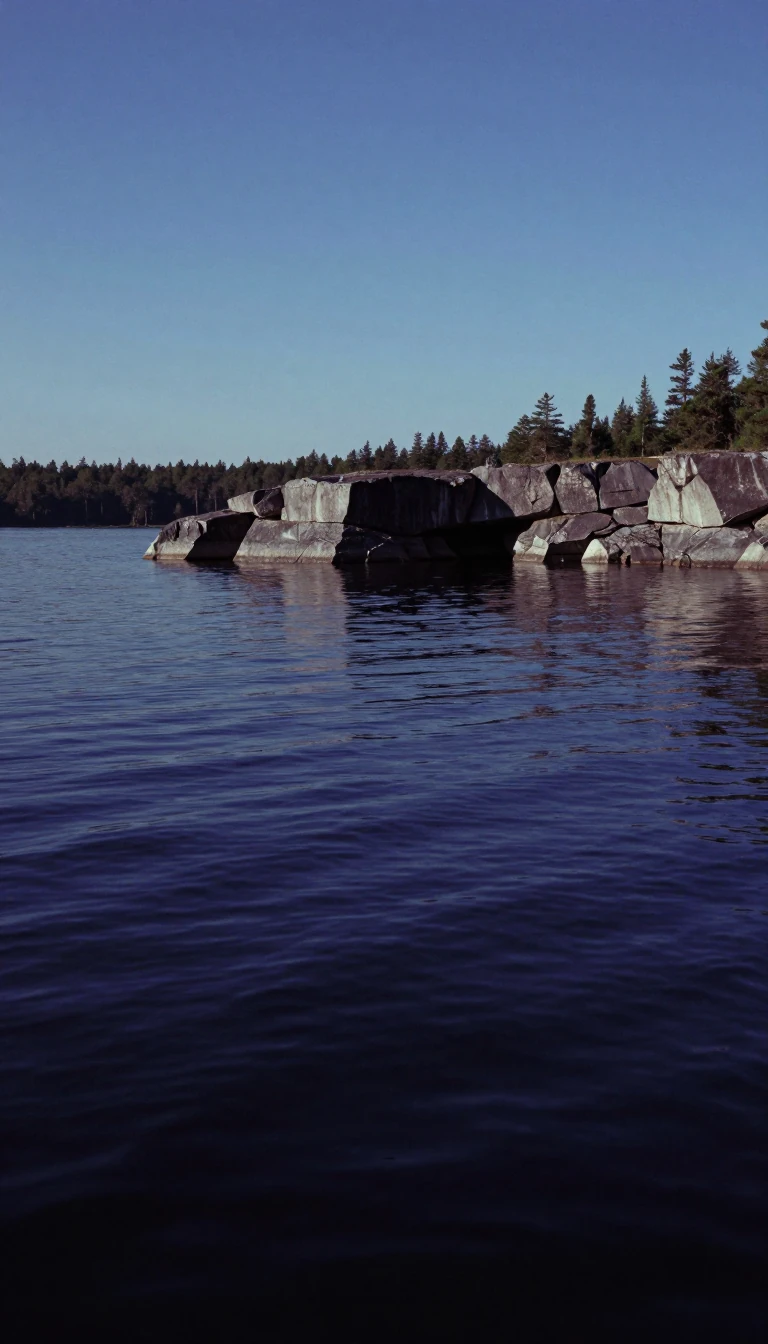
In short: Glacier National Park is a geological time capsule where mountains formed 170 million years ago contain fossils dating back a billion years. Once home to 150 glaciers during the Little Ice Age, the park now faces a future where its remaining active glaciers may vanish entirely by 2030.
The park’s dramatic landscape is defined by the Lewis Overthrust, a geological phenomenon where ancient sedimentary rocks from the Belt Supergroup were forced eastward over much younger strata. These rocks, deposited in shallow seas between 1.6 billion and 800 million years ago, are among the best-preserved Proterozoic sediments on Earth. They contain rare records of early life, including six species of stromatolites and the discovery of Horodyskia, which shifted the timeline for the origin of eukaryotic life back by a billion years.
Beyond its ancient geology, the park serves as a critical ecological refuge. It spans over 1 million acres and supports a diverse range of ecosystems, from prairie to tundra, hosting large mammals like grizzly bears and wolverines. Its lakes, numbering over 700, are environmental bellwethers; because they are cold and support little plankton, they are remarkably clear but highly sensitive to pollution. These waters are fed by glaciers that have been in steady retreat since the mid-19th century.
The park's human history is equally complex. Originally inhabited by the Blackfeet, Salish, and Kootenai, the region was later shaped by the Great Northern Railway’s efforts to promote tourism, leading to the construction of Swiss-style chalets and the iconic Going-to-the-Sun Road. Today, the park is managed by the National Park Service under a mandate to preserve natural and cultural resources, though this mission has historically clashed with the traditional usage rights of the Blackfeet Nation. Despite these tensions, the park remains a site of ongoing cultural exchange, exemplified by the long-running Native America Speaks program.
Opens the Intellect+ feed with this card first. Swipe up for the next one.
Sources
- Summary by Intellect · source: Glacier National Park (U.S.)
- Also: Art Institute of Chicago — Noon Clouds, Glacier National Park, Montana, No. 1 from "Portfolio Two: The National Parks and Monuments" (1950) · CC0 (data); description CC BY 4.0
To cite this card, link to https://intellectplus.co.uk/app/art-glacier-national-park-u-s.
How we source, check and correct cards: Editorial standards.
General information, not professional advice. Spotted an error? Flag the card or see corrections and complaints.
Intellect Plus is a visual educational discovery platform for exploring fascinating facts and ideas. Brain Food, Not Brain Rot. What is Intellect Plus?
Related
More in Cultural venues · More in Art · Latest · A–Z · All topics
