Olympic National Park spans three distinct ecosystems, from temperate rainforests to rugged Pacific coastlines.
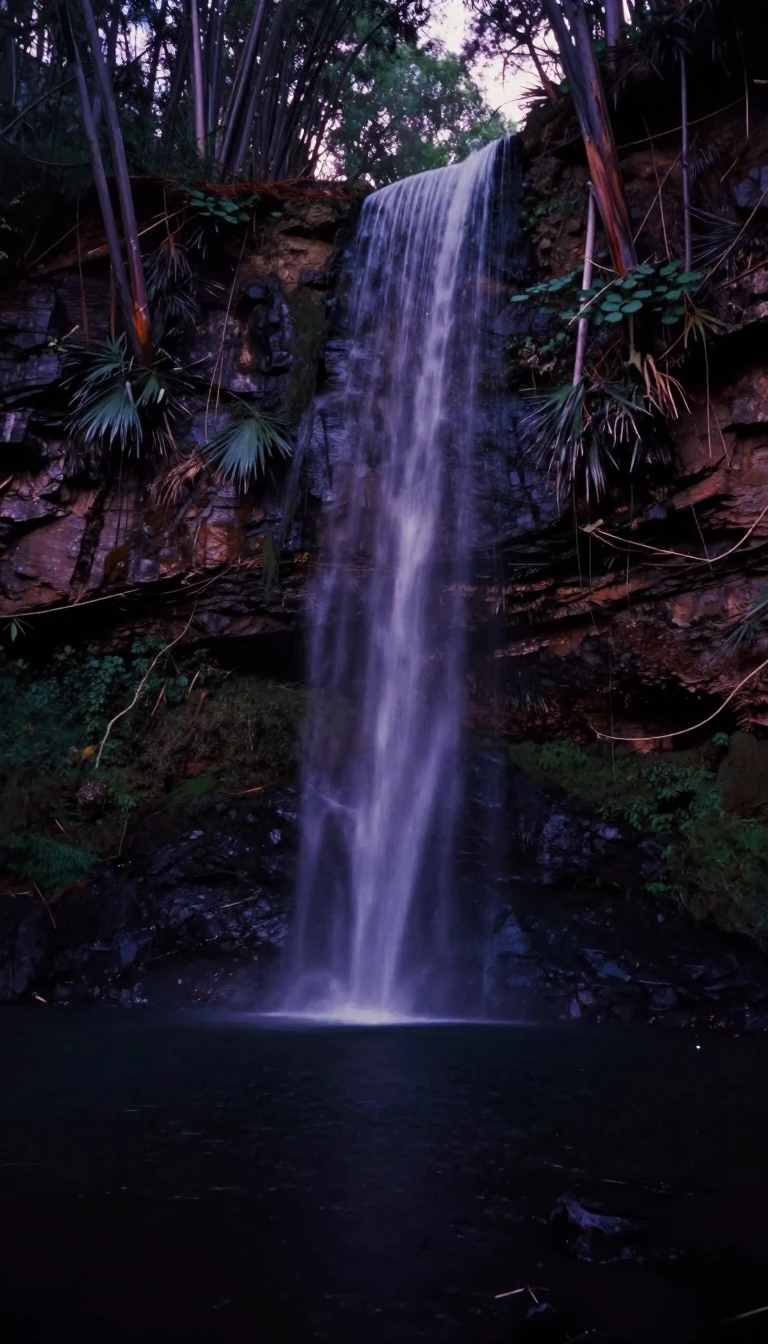
In short: Olympic National Park is a massive, diverse wilderness on Washington's Olympic Peninsula. It protects primeval forests, alpine meadows, and a wild coastline, serving as a vital refuge for endemic species. From the wettest areas in the continental United States to glacial mountain peaks, it remains a complex, evolving ecological masterpiece.
Designated as a national park in 1938, Olympic National Park encompasses a unique geography shaped by the subduction of the Juan de Fuca Plate. This tectonic activity created the Olympic Mountains and a variety of geological features, including turbidites and large tectonic mélanges. The park's climate is equally varied, featuring a temperate oceanic climate in the west and a drier, warm-summer Mediterranean climate in the east, separated by the mountain range's rain shadow.
The park is renowned for its temperate rainforests, which receive over 12 feet of annual precipitation. These forests are dominated by coniferous trees like Sitka spruce and western hemlock, often draped in moss. The park also contains significant old-growth forest, estimated at 366,000 acres. Its isolation on the peninsula allowed for the evolution of many endemic species, such as the Olympic marmot, while also serving as a critical refuge for plants during the last glacial maximum.
Human history in the region is deep, with evidence of extensive tribal use of subalpine meadows predating European arrival. Modern conservation efforts have been significant, including the 1988 designation of the Daniel J. Evans Wilderness, which covers 95 percent of the park. The Elwha Ecosystem Restoration Project, completed in 2014, stands as the second-largest restoration in National Park Service history, successfully removing two dams to restore salmon access to 65 miles of river habitat.
Despite its protected status, the park faces ongoing challenges, including climate change, which has caused the number of glaciers to decline from 266 in 1982 to 184 by 2009. Management continues to address issues like invasive mountain goats and the maintenance of infrastructure, such as the Hurricane Ridge area, which remains a central point for both winter recreation and visitor education.
Opens the Intellect+ feed with this card first. Swipe up for the next one.
Sources
- Summary by Intellect · source: Olympic National Park
- Also: Wikidata — Olympic National Park · CC0
- Also: Wikidata — Olympic National Park MPS · CC0
To cite this card, link to https://intellectplus.co.uk/app/places-olympic-national-park.
How we source, check and correct cards: Editorial standards.
General information, not professional advice. Spotted an error? Flag the card or see corrections and complaints.
Intellect Plus is a visual educational discovery platform for exploring fascinating facts and ideas. Brain Food, Not Brain Rot. What is Intellect Plus?
Related
More in World Heritage Sites · More in Countries & Cities · Latest · A–Z · All topics
