Why Berlin's premier painting gallery was built to defy the royal tradition
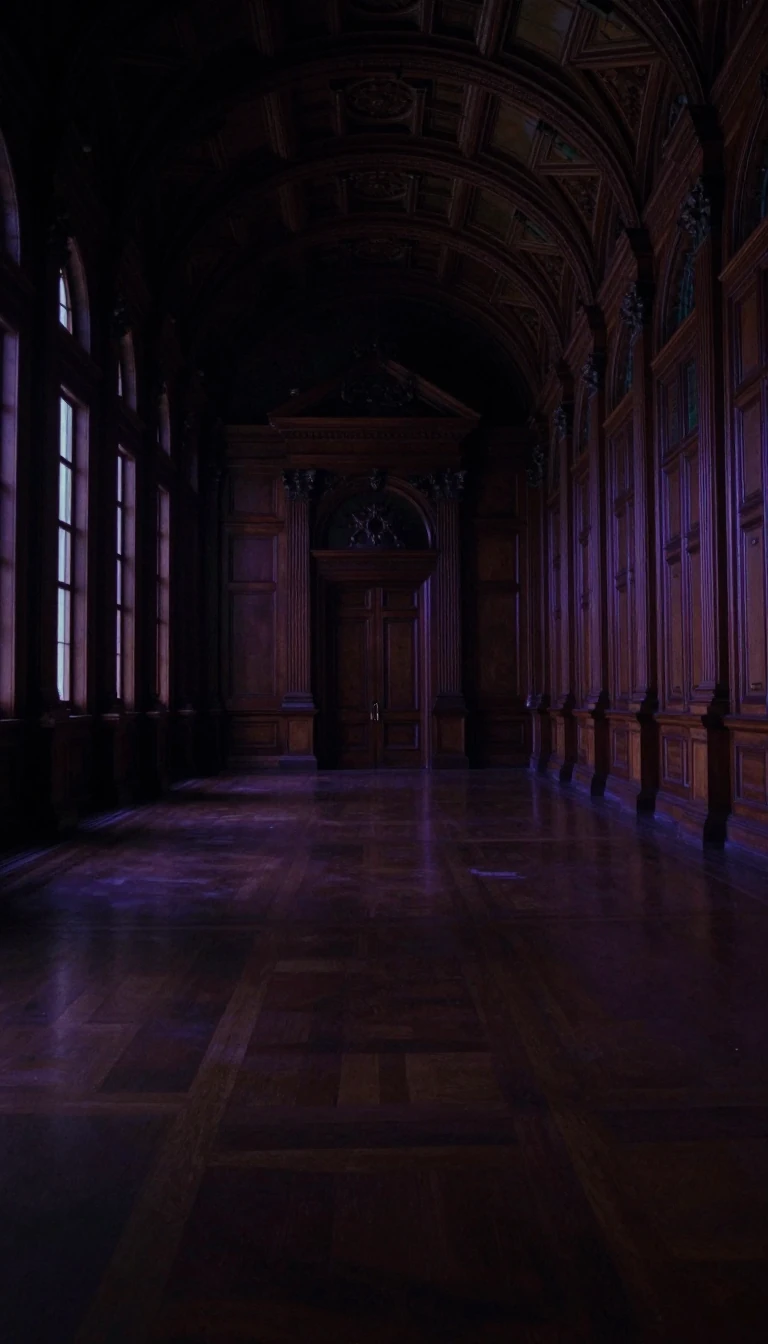
In short: Unlike most European national collections, Berlin's Gemäldegalerie did not originate from a monarch's private hoard. Instead, it was systematically assembled by the Prussian government starting in 1815. This deliberate, scientific approach to curation created a unique institution that prioritizes a comprehensive view of art history over dynastic prestige.
The Gemäldegalerie holds a world-class collection of European paintings spanning the 13th to the 18th centuries. While many older institutions, such as the Gemäldegalerie Alte Meister in Dresden, grew from princely collections focused heavily on Italian works, the Berlin gallery was designed from its inception to represent the full breadth of European artistic achievement. This mission was driven by state acquisitions, beginning with the 1815 purchase of the Giustiniani collection and the 1821 acquisition of Edward Solly's extensive holdings, which were particularly rich in Early Netherlandish and Italian Trecento and Quattrocento art.
The museum's development reached a pinnacle under the leadership of Wilhelm von Bode, who directed the painting collections from 1890 until 1920. Bode, an expert in Dutch and Rembrandt studies, oversaw a period of rapid expansion after Berlin became the German Empire's capital in 1871. His tenure solidified the gallery's international reputation. Today, the museum is housed in a modern building at the Kulturforum, completed in 1998, which features a unique layout designed by architects Heinz Hilmer and Christoph Sattler. The galleries are organized to allow visitors to move chronologically through Northern and Southern European traditions, with a central meditation hall serving as the building's heart.
The collection's history is also marked by significant losses and ethical reckonings. During World War II, the museum suffered the destruction of 400 large works in a fire, leaving it with fewer monumental pieces than its peers. Furthermore, the institution has actively addressed its past by restituting works looted by the Nazis, such as a Tiepolo painting returned in 1999 and panels by Giovanni di Paolo returned in 2019. These actions reflect a commitment to transparency that complements the gallery's scientific approach to displaying its 1,250 main-floor paintings.
Opens the Intellect+ feed with this card first. Swipe up for the next one.
Sources
- Summary by Intellect · source: Gemäldegalerie, Berlin
To cite this card, link to https://intellectplus.co.uk/app/art-gem-ldegalerie-berlin.
How we source, check and correct cards: Editorial standards.
General information, not professional advice. Spotted an error? Flag the card or see corrections and complaints.
Intellect Plus is a visual educational discovery platform for exploring fascinating facts and ideas. Brain Food, Not Brain Rot. What is Intellect Plus?
Related
More in Cultural venues · More in Art · Latest · A–Z · All topics
