How Hindu mythology evolved from ancient Vedic hymns to complex, narrative-driven cosmic epics
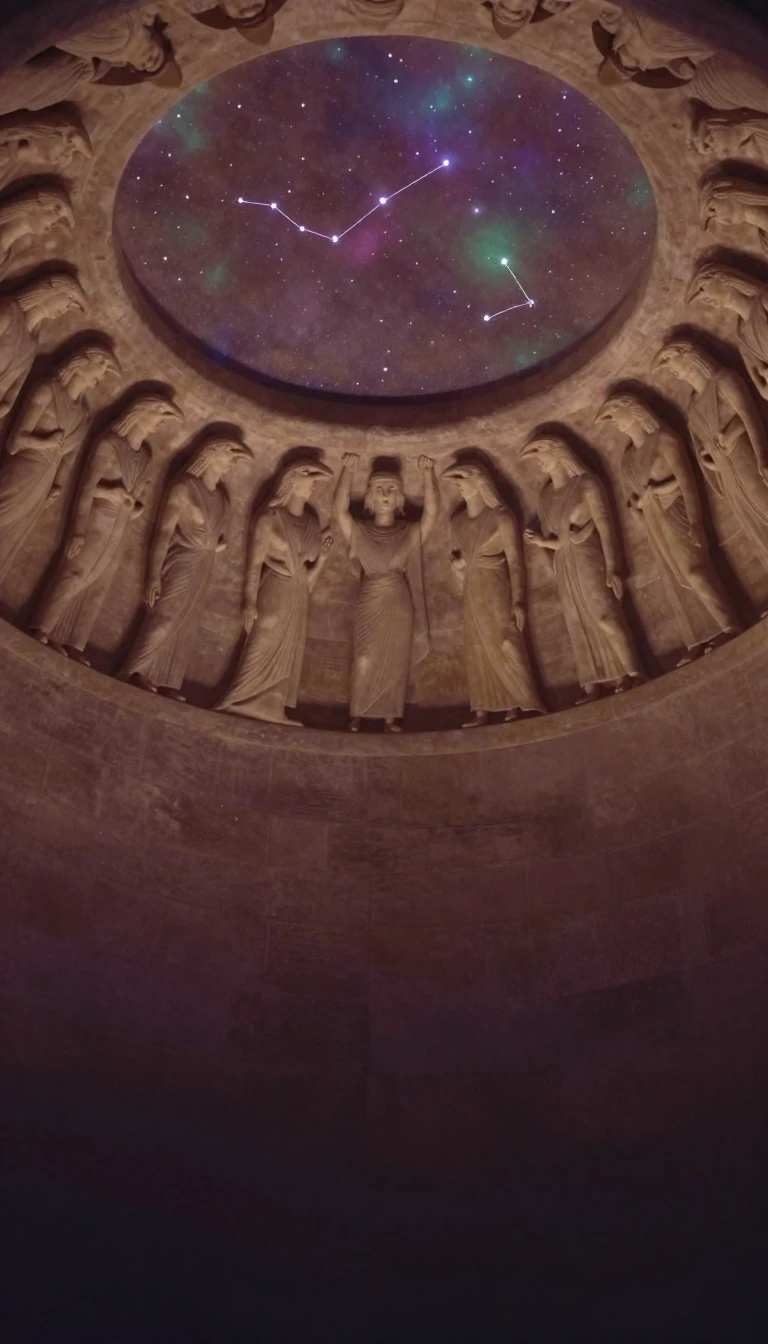
In short: Hindu mythology is not a static set of beliefs, but a vast, evolving tapestry spanning thousands of years. From the early oral traditions of the Vedas to the narrative-rich Puranas and the intense energy of Tantric practice, these stories have continuously reshaped themselves to reflect changing social and spiritual landscapes.
The roots of Hindu mythology trace back to the Indus Valley Civilisation, where motifs of mother goddesses and animal-shaped deities emerged. By the Vedic age, the focus shifted to a pantheon centered on natural forces, governed by the triad of Agni, Indra, and Surya. These early texts, known as the Vedas, were orally transmitted as 'heard' knowledge, emphasizing sacrificial rites and hymns. Indra, the thunderbolt-wielding warrior, reigned as the most popular deity, celebrated for releasing life-giving waters by defeating the drought-demon Vritra.
As religious thought matured, the Upanishads introduced profound philosophical shifts, moving from ritualism toward concepts like atman, karma, and liberation. This evolution continued through the epic period, which produced the Ramayana and the Mahabharata. These works introduced the concept of avatars, such as Vishnu descending as Rama or Krishna to restore dharma when morality declined. The Mahabharata, a massive literary undertaking, famously explores duty and the soul through the Bhagavad Gita, a dialogue between the warrior Arjuna and Krishna.
The Puranas, composed between 250 and 1500 CE, democratized these myths, transforming dense Vedic formulas into accessible stories for all. This era saw the rise of the Trimurti—Brahma, Vishnu, and Shiva—and the Tridevi, who embodied Shakti, the feminine energy essential for divine action. Later, the Tantric period (c. 900–1600 CE) further elevated the Divine Mother, positioning Shakti as the supreme reality. Through these transitions, older Vedic gods like Indra were often relegated to secondary roles, reflecting the constant, dynamic synthesis of local traditions and evolving orthodoxy.
Opens the Intellect+ feed with this card first. Swipe up for the next one.
Sources
- Summary by Intellect · source: Hindu mythology
To cite this card, link to https://intellectplus.co.uk/app/ideas-hindu-mythology.
How we source, check and correct cards: Editorial standards.
General information, not professional advice. Spotted an error? Flag the card or see corrections and complaints.
Intellect Plus is a visual educational discovery platform for exploring fascinating facts and ideas. Brain Food, Not Brain Rot. What is Intellect Plus?
Related
More in Mythology · More in Ideas & Philosophy · Latest · A–Z · All topics
