The red sandstone workshop that sculpted the divine for three faiths
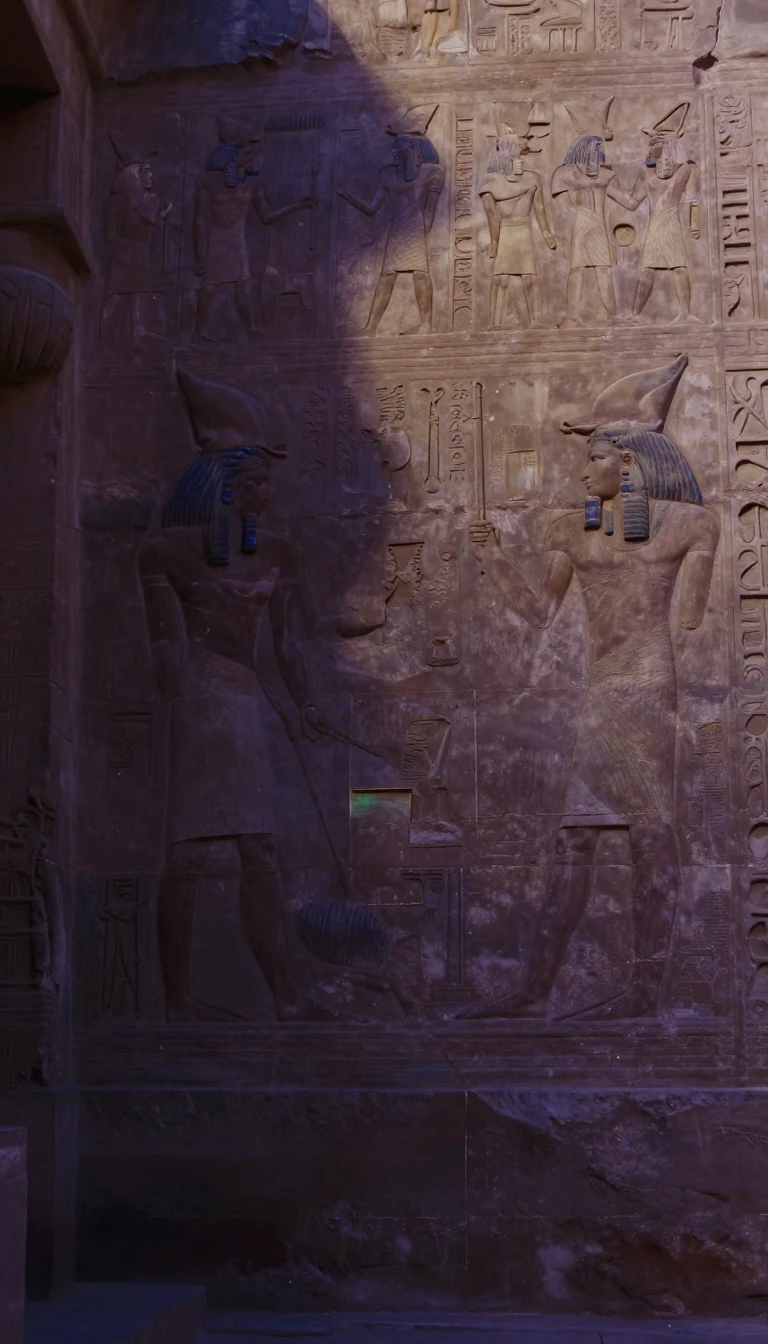
In short: From the 2nd century BC, the city of Mathura served as India's premier artistic engine. Using mottled red sandstone from nearby Sīkri quarries, its master sculptors created a visual language so powerful it defined the iconography of Buddhism, Jainism, and Hinduism for centuries.
Mathura art represents a significant departure from the preceding Mauryan style, emerging as a dominant force in north central India. While the Gandhara school in the northwest drew heavily from Greco-Roman influences, the Mathura school developed its own distinctively Indian aesthetic. By the 1st century AD, these two regions had evolved separate, independent methods for representing the Buddha.
The style is characterized by an intense, palpable energy. Early Kushan-period Buddha images often featured broad shoulders, swelling chests, and a sturdy, planted stance, drawing lineage from earlier yakṣa—male nature deity—figures. These sculptures frequently utilized the abhaya-mudrā, a gesture of reassurance, and featured a lion throne. Over time, the hair transitioned into a standardized pattern of short, flat spirals, a look that eventually became the norm across the Buddhist world.
The workshop's influence extended far beyond religious devotion. Mathura was a vital export hub, distributing its sandstone works across the subcontinent. The artisans also produced striking dynastic portraits of Kushan kings, dressed in Central Asian attire such as belted tunics and high boots. Interestingly, the school was also a pioneer of anatomical complexity; around the 4th century CE, it introduced the convention of depicting sacred figures with multiple heads and arms, a practice rooted in Hindu Vedic texts.
Beyond the Buddha, the Mathura repertoire included sensuous female figures, or yakṣīs, often depicted in scenes of grooming or associated with nature. These figures served as symbols of fertility and abundance, maintaining their popular appeal even as Buddhism rose to prominence. This artistic legacy flourished through the Gupta period (1st–6 effectively 6th century AD), marking Mathura as a pre-eminent center of religious expression.
Opens the Intellect+ feed with this card first. Swipe up for the next one.
Sources
- Summary by Intellect · source: Mathura art | Kushan Period, Gupta Period, Buddhist Sculpture, Red Sandstone | Britannica
- Also: Art of Mathura
To cite this card, link to https://intellectplus.co.uk/app/health-art-of-mathura.
How we source, check and correct cards: Editorial standards.
General information, not professional advice. Spotted an error? Flag the card or see corrections and complaints.
Intellect Plus is a visual educational discovery platform for exploring fascinating facts and ideas. Brain Food, Not Brain Rot. What is Intellect Plus?
Related
More in Sculpture · More in Art · Latest · A–Z · All topics
