More than just writing, Islamic calligraphy is a sacred architecture of the soul.
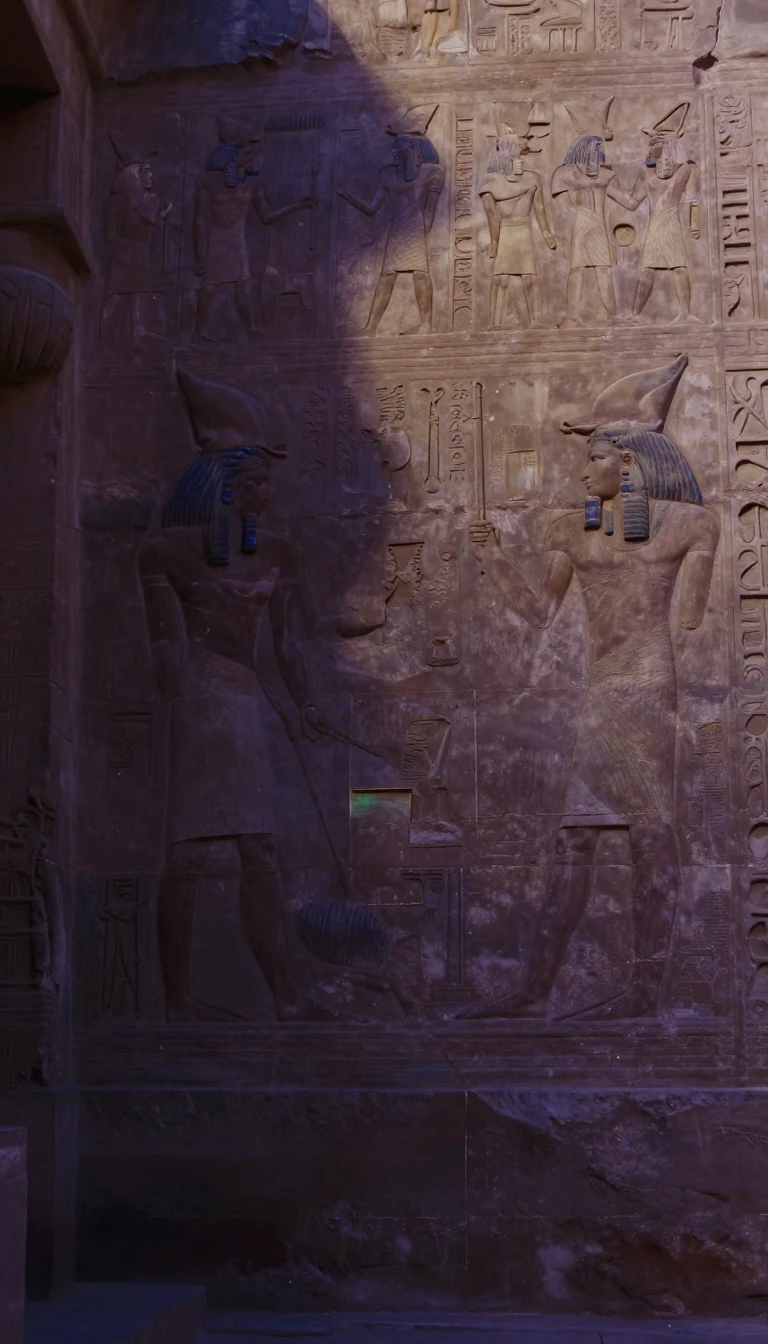
In short: Far beyond simple penmanship, Islamic calligraphy is a highly structured art form where the written word serves as the primary iconographic pillar of a civilization. From the rigid, angular strokes of ancient Kufic to the flowing, confidential curves of Ottoman Diwani, this tradition transforms language into a profound aesthetic and moral pursuit.
Islamic calligraphy, or khatt Arabi, is a deeply disciplined practice rooted in the Quran. Because traditional Islamic art often limits the depiction of human and animal figures to avoid idolatry, the written word became the central medium for religious and secular expression. This art form is not merely decorative; it is a spiritual exercise. An ancient Arabic proverb captures this ethos, asserting that the purity of one's writing reflects the purity of the soul. Calligraphers traditionally underwent rigorous training, studying under masters for years before receiving certification.
The evolution of the craft is marked by two foundational styles: the angular Kufic and the cursive Naskh. Kufic, which likely emerged in Kufa, Iraq, by the late 7th century, was the primary script for copying the Quran until the 10th century. Its rigid, orderly nature made it ideal for stone carving and coinage. By the 12th century, the more fluid Naskh became the standard for manuscripts and books, eventually forming the basis for modern Arabic print. Other specialized scripts followed, such as the 16th-century Ottoman Diwani, which was so complex it was used for court documents to prevent forgery, and the 15th-century Thuluth, known for its majestic vertical lines.
The medium of calligraphy expanded far beyond paper. By the 9th century, the influx of paper from China revolutionized the art, but calligraphers also mastered stone, tiles, carpets, and even precious silks. In the modern era, the Hurufiyya movement, emerging around 1955, saw artists like Ibrahim el-Salahi integrate these traditional calligraphic forms into contemporary painting. Today, the legacy persists in diverse ways, from the interactive digital Quran unveiled in Oman in 2017 to the global street art phenomenon known as calligraffiti, proving that this ancient design language continues to evolve as a vital, living tradition.
The technical mastery required is immense. Traditionalists use the qalam, a reed or bamboo pen, to manipulate ink intensity and create dynamic movement. Whether in the form of a sultan's tughra—a complex calligraphic monogram—or a hilya, which describes the moral qualities of Muhammad through geometric layout, the art remains a way to create a personal, sacred connection to the divine without resorting to figurative imagery.
Opens the Intellect+ feed with this card first. Swipe up for the next one.
Sources
- Summary by Intellect · source: Islamic calligraphy
To cite this card, link to https://intellectplus.co.uk/app/art-islamic-calligraphy.
How we source, check and correct cards: Editorial standards.
General information, not professional advice. Spotted an error? Flag the card or see corrections and complaints.
Intellect Plus is a visual educational discovery platform for exploring fascinating facts and ideas. Brain Food, Not Brain Rot. What is Intellect Plus?
Related
More in Visual arts · More in Art · Latest · A–Z · All topics
